North Korea has denounced an 11-country Multilateral Sanctions Monitoring Team as "illegal" and unrelated to the U.N., KCNA reports. The team was formed after Russia blocked renewal of a long-standing U.N. expert panel in 2024; China abstained. In October 2025 the group alleged "deep connections" between U.N.-designated North Korean entities and malicious cyber activity, which Pyongyang called "fabricated." The North Korean mission also noted a planned U.S. briefing at U.N. headquarters.
North Korea Labels 11-Country Sanctions Monitor 'Illegal' and Rejects Cyber Allegations
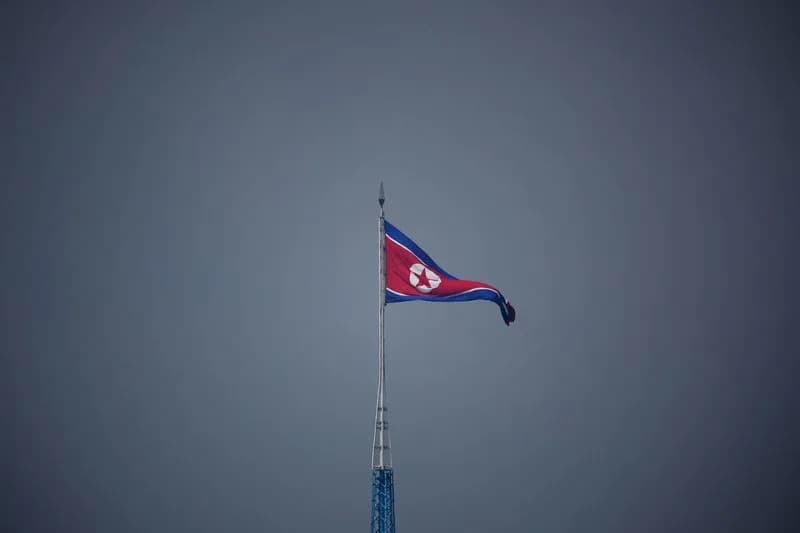
A North Korean flag flutters at the propaganda village of Gijungdong in North Korea, in this picture taken near the truce village of Panmunjom inside the demilitarized zone (DMZ) separating the two Koreas, South Korea, July 19, 2022. REUTERS/Kim Hong-Ji/Pool
SEOUL, Jan 12 (Reuters) - North Korea sharply denounced a newly formed Multilateral Sanctions Monitoring Team made up of 11 countries, calling its activities "illegal" and asserting the body has no standing with the United Nations, state news agency KCNA reported on Monday.
Background
The Multilateral Sanctions Monitoring Team brings together representatives from 11 countries, including South Korea and the United States, to monitor and report what it says are Pyongyang's violations and evasions of U.N. Security Council sanctions. The mechanism was created after Russia in 2024 blocked the annual renewal of a long-standing U.N. panel of experts that for more than 15 years had overseen enforcement of sanctions targeting North Korea's nuclear and missile programs; China abstained from that vote.
Pyongyang's Response
KCNA quoted a statement from North Korea's permanent mission to the United Nations saying the U.S. plans to hold a briefing at U.N. headquarters and that the monitoring team was "recklessly formed" outside the U.N. system and thus cannot be recognized by the international community.
Allegations and Pushback
In October 2025 the multinational team published a report alleging "deep connections" between U.N.-designated North Korean entities and malicious cyber activities linked to Pyongyang. KCNA cited the North Korean statement dismissing those claims as "a fabricated story based on imagination."
The dispute underscores growing tensions over how the international community documents and responds to North Korea's behavior — particularly after the lapse of the U.N. expert panel and the shift to an intergovernmental monitoring mechanism. The U.S.-led briefing at U.N. headquarters is likely to sharpen diplomatic debate over the legitimacy and findings of the new team.
Help us improve.