Sen. Tim Kaine told Margaret Brennan he opposes U.S. military strikes in Iran and urges sanctions and diplomatic pressure to support protesters. He said limited strikes in Syria targeting ISIS were legally justified under the 2001 AUMF. Kaine also led a bipartisan effort to require congressional approval for new military action in Venezuela and warned Congress would block any attempt to seize Greenland or use force against a NATO ally.
Sen. Tim Kaine: Oppose Military Strikes In Iran, Use Sanctions And Congress Must Approve New Wars
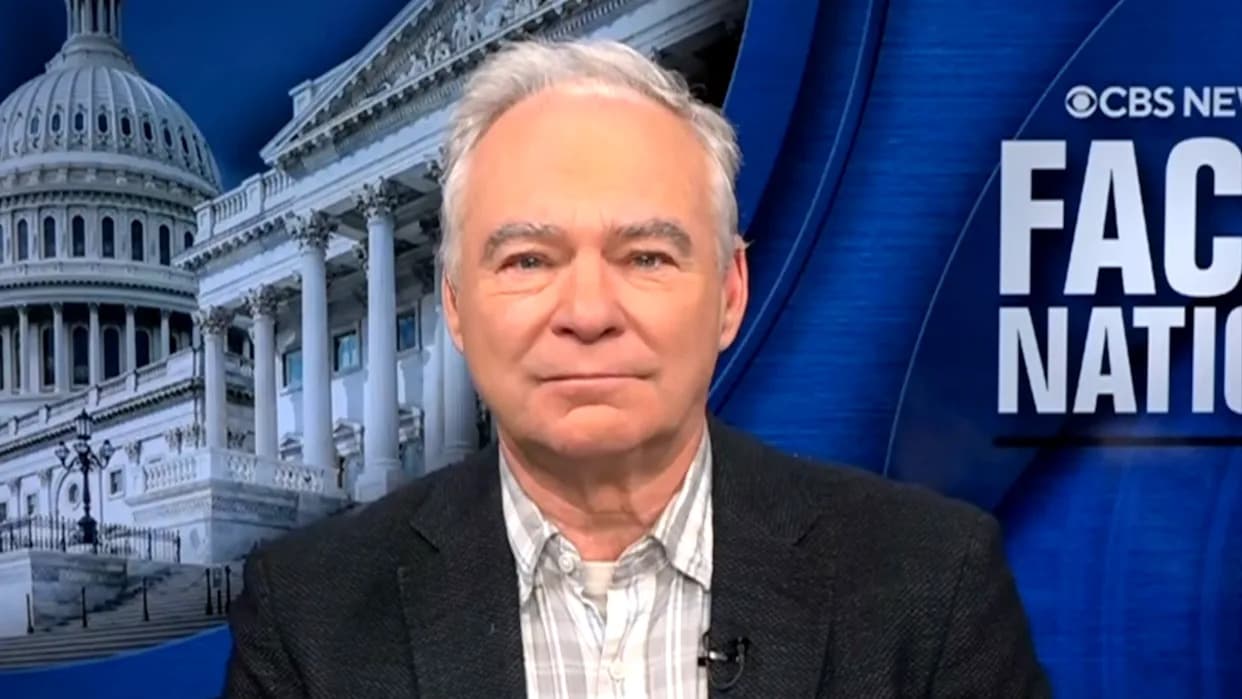
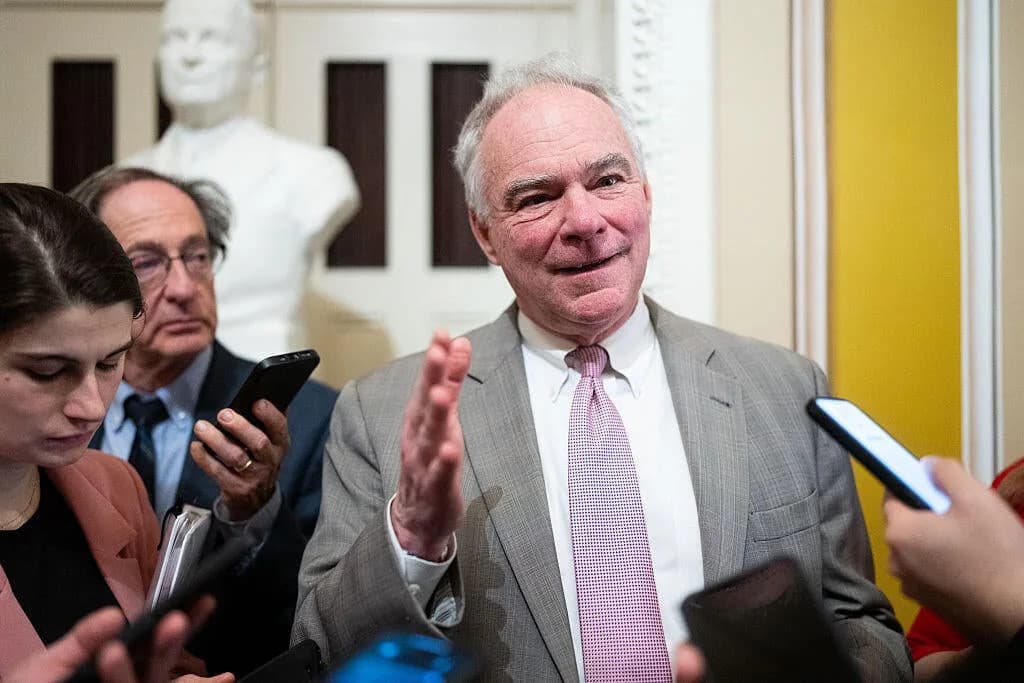
Sen. Tim Kaine spoke from Richmond on Jan. 11, 2026, in an interview with Margaret Brennan on Face the Nation, laying out his views on U.S. military options, sanctions and the role of Congress in authorizing force.
MARGARET BRENNAN: We go now to Richmond, Virginia, where we find Senator Tim Kaine, who serves on foreign-relations and other key Senate committees. Senator, the president has been briefed on military options, but our reporting shows no decision made and no major assets staged. There aren't even any aircraft carriers in the Mideast at the moment. Would you support military action?
SEN. TIM KAINE: I believe U.S. military action in Iran would be a grave mistake. It would allow the Iranian regime to blame the United States for internal failures, at a moment when many Iranians are holding their own government accountable. For years, that regime has prioritized proxy activity and regional meddling in Iraq, Syria, Lebanon, Yemen and Gaza instead of addressing the needs of its people. We should celebrate and support Iranians seeking greater freedom, but do so with sanctions and diplomatic pressure rather than U.S. troops.
On Nonmilitary Tools: Kaine pointed to the impact of targeted sanctions — citing the Caesar sanctions on Syria imposed in 2019 that hit energy and construction sectors — as effective leverage that can expose regime abuses. He argued that sanctions and diplomacy, not direct intervention, are the right tools to support protesters and pressure abusive governments.
MARGARET BRENNAN: You mentioned Syria. Would you support covert or other assistance to protest movements? What does the president mean when he says "we're going to help the protesters"?
SEN. KAINE: We should back brave protesters through nonmilitary means — sanctions, diplomatic channels and international pressure. The U.S. did not remove Bashar al-Assad by direct U.S. military action; our principal military role in Syria has been focused on countering ISIS under the relevant authorization for force. That legal framework and restrained approach should guide responses elsewhere.
MARGARET BRENNAN: Yesterday U.S. forces struck 35 targets in Syria after the killing of two U.S. soldiers and an interpreter. Do you view that action as legally valid?
SEN. KAINE: Yes. It has long been interpreted that the 2001 Authorization for Use of Military Force (AUMF) against al-Qaeda permits action against groups that grew out of or are affiliated with al-Qaeda and pose a threat to U.S. forces. Because ISIS remains a threat to U.S. troops, that authorization provided a legal basis for the strikes — which is not the same legal footing the administration would claim for other potential unilateral uses of force.
MARGARET BRENNAN: You led a procedural effort with several Republican senators to require congressional approval for further military action in Venezuela. Given president's public criticism of those senators, do you expect they will stick with you?
SEN. KAINE: I do, and I expect more senators may join. The senators who voted with me sought transparency and public debate. The administration's actions regarding Venezuela — confrontations at sea, covert activity inside the country and efforts aimed at changing its leadership — warrant an open Senate debate so the American public can see and weigh any proposed use of U.S. military power. After months of conflict, civilian deaths and U.S. casualties, it's reasonable to demand that the Senate discuss this openly.
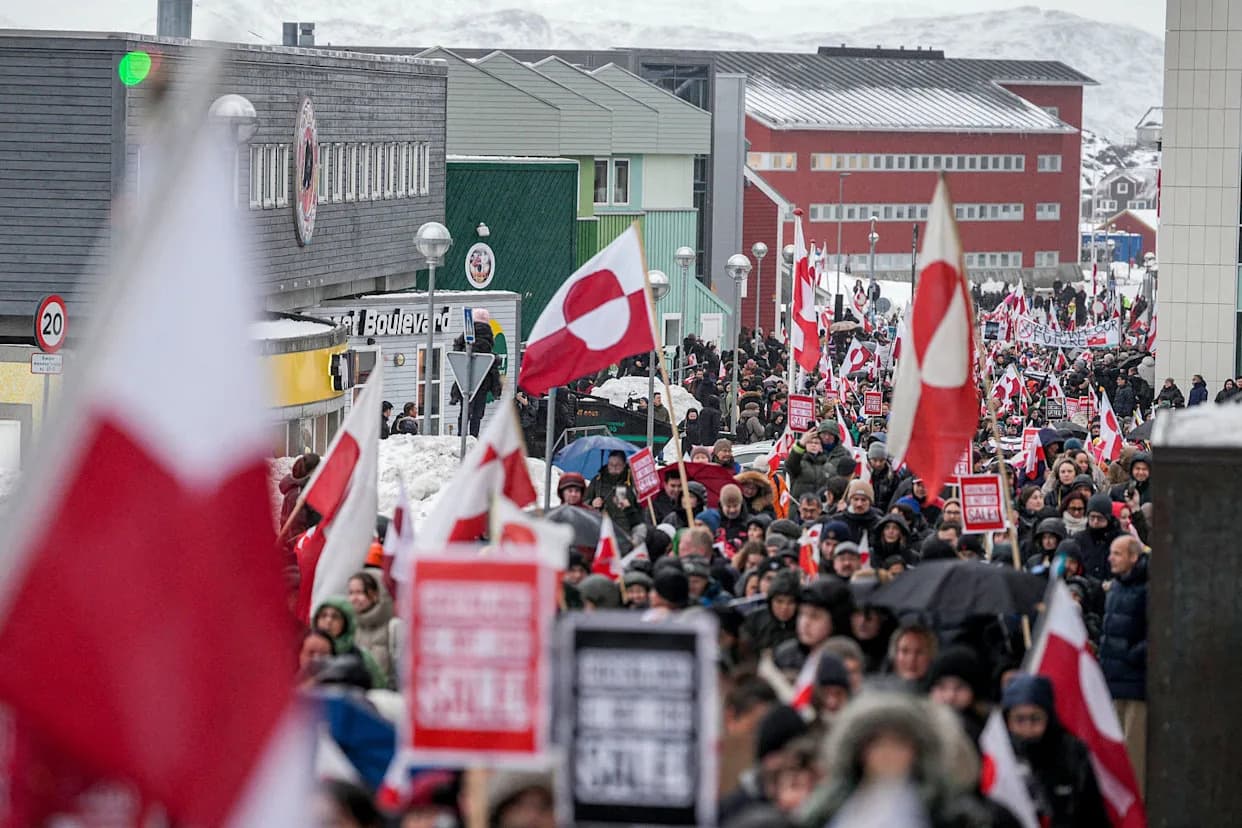
MARGARET BRENNAN: The president has even discussed buying Greenland from Denmark. Could he try to take it by force?
SEN. KAINE: Congress would act to stop any attempt to seize territory from an ally. Seizing territory from a long-standing NATO partner like Denmark would isolate the United States and undermine alliances built over generations. If necessary, senators from both parties will force a vote to prohibit military action against Greenland or Denmark, and I expect overwhelming bipartisan opposition to any such plan.
MARGARET BRENNAN: Senator Kaine, thank you for your time today.
Takeaway: Kaine urges sanctions and diplomacy over military intervention in Iran, supports legally authorized strikes against ISIS in Syria, and led a bipartisan push to require congressional approval for new military action in Venezuela — while warning Congress would block any attempt to seize Greenland or act militarily against a NATO ally.
Help us improve.