
The White House admitted it kept Congress uninformed about an operation that captured Venezuelan President Nicolás Maduro, drawing accusations from Democrats that the administration misled lawmakers about plans for invasion or regime change. Officials including Marco Rubio said some members were only notified after the mission; Democrats such as Chuck Schumer and Seth Moulton say they were explicitly assured otherwise. Senator Tim Kaine plans to force a vote to bar further military action without congressional approval, a test that could shift some Republican support.
Democrats Say White House Misled Congress After Venezuela Operation — A Vote Looms

The White House acknowledged that it kept Congress largely uninformed about an operation that resulted in the capture of Venezuelan President Nicolás Maduro, prompting sharp criticism from congressional Democrats who say they were misled about the administration’s intentions.
When White House Chief of Staff Susie Wiles told Vanity Fair that the administration would need congressional approval before launching strikes on Venezuelan soil, it suggested deference to lawmakers. Around that same time, however, President Donald Trump told reporters, “I don’t have to tell them,” when asked whether he would seek congressional authorization for potential ground attacks.
After U.S. forces captured Maduro, the White House conceded it had deliberately limited congressional notification. Secretary of State Marco Rubio said some lawmakers were informed only after the mission, adding, “This was not the kind of mission that you can do congressional notification on.”
Lawmakers Say They Were Assured There Would Be No Invasion
Several Democratic leaders say the administration offered explicit assurances in briefings that proved false. Senate Minority Leader Chuck Schumer said the White House had assured him on three separate occasions that it was not pursuing regime change or military action in Venezuela. Representative Seth Moulton told CNN that lawmakers were directly asked whether the administration planned to invade or put troops on the ground and were repeatedly told no.
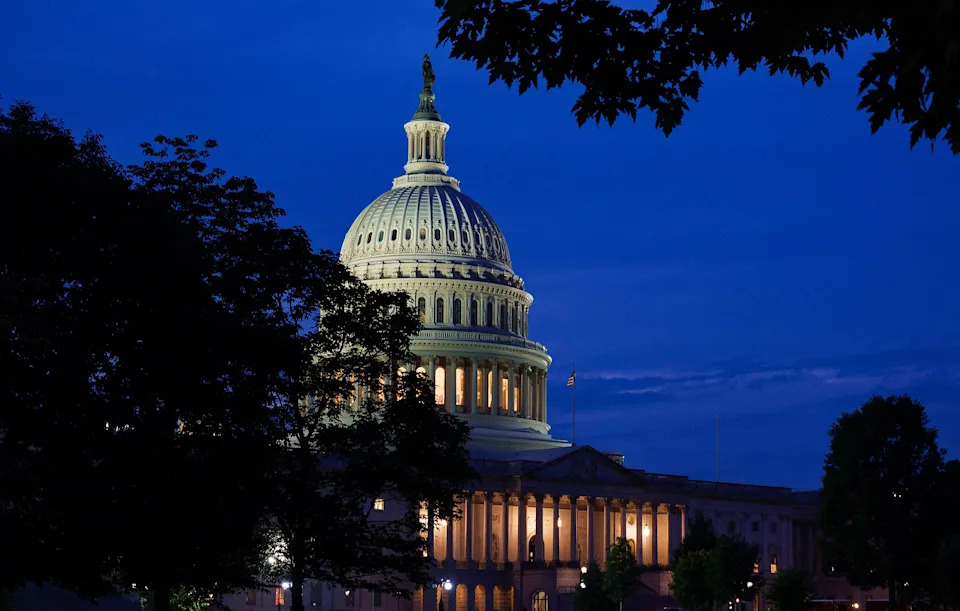
The U.S, Capitol Building at dusk on June 9, 2025 in Washington, D.C.(Kevin Carter / Getty Images)
“Rubio said that there were not any intentions to invade Venezuela,” Representative Gregory W. Meeks, the top Democrat on the House Foreign Affairs Committee, told The Washington Post. “He absolutely lied to Congress.”
Critics say the administration’s defense—drawing semantic distinctions between words like “invasion” and “regime change”—rings hollow and further damages credibility at a time when many argue congressional oversight is essential.
Next Steps: Briefings and a Congressional Vote
The White House has scheduled additional briefings for key lawmakers, but it remains uncertain whether skeptical Democrats will accept new explanations. Meanwhile, Senator Tim Kaine has said he will force a vote to bar further military action against Venezuela without explicit congressional authorization. If passed, the resolution would require the White House to seek congressional approval before undertaking additional strikes—an important check on presidential war powers, advocates say.
Politico reported that the expected vote will also test Republican support for the administration’s actions; some GOP senators and representatives who have expressed unease about escalating tensions with Venezuela may reconsider their backing.
As members return to Capitol Hill, the clash underscores ongoing tensions between the executive branch and Congress over war powers, transparency, and how far presidents may act without prior legislative consent.
Source: Coverage based on reports from MS NOW, The Washington Post, CNN and Politico.
Help us improve.


