
Scientists at the University of East Anglia report increased activity of "jumping genes" in polar bears from southeast Greenland, linking these genomic changes to warmer local temperatures. The study, published in Mobile DNA, found alterations in genes related to heat stress, ageing and fat metabolism that may reflect dietary shifts and habitat loss as sea ice declines. While these signals suggest potential short-term genetic responses, researchers stress that cutting fossil fuel emissions remains essential to prevent widespread polar bear declines.
Climate Change Is Rewiring Polar Bear DNA, Study Finds — Possible Adaptive Response in Southeast Greenland

Researchers report that polar bears in southeast Greenland show increased activity of so-called "jumping genes," small mobile DNA elements that can alter the behaviour of other genes. The study, led by scientists at the University of East Anglia and published in the journal Mobile DNA, is presented as the first statistically significant link between rising local temperatures and measurable DNA changes in a wild mammal.
What the Study Found
The team compared blood samples from polar bears in two Greenland regions — colder, more stable northeast sites and warmer, more variable southeast locations such as Skjoldungen Fjord. They analysed jumping-gene activity and related gene expression alongside local temperature records. Bears from the warmer southeast showed markedly higher activity of these mobile elements and changes in genes tied to heat stress, ageing and metabolism.
Genetic Changes And Diet
Some DNA changes occurred in regions linked to fat metabolism. The researchers note that southeast bears appear to eat a rougher, more plant-rich diet in places and seasons where seals are less available, while northern bears rely more on high-fat, seal-based diets. The observed genomic patterns are consistent with adaptation to both warmer conditions and altered food sources.
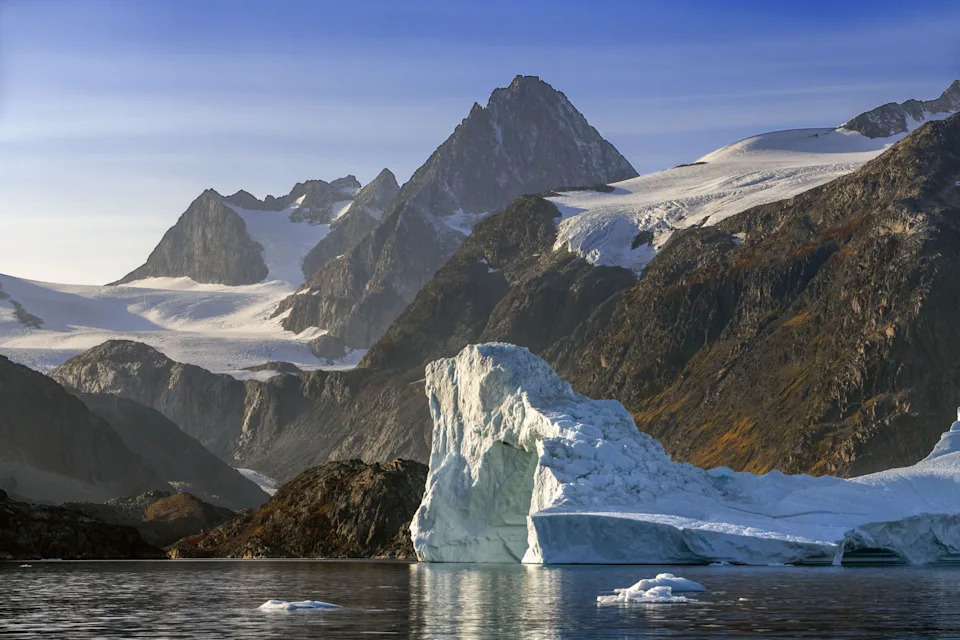
Skjoldungen Fjord on the southeast coast of Greenland.The region has been experiencingglacier melt with higher intensity and extent over the last decades due to atmospheric warming.|Sergi Reboredo/VWPics/Universal Images Group via Getty Images
"By comparing these bears’ active genes to local climate data, we found that rising temperatures appear to be driving an increase in the activity of jumping genes within the southeast Greenland bears' DNA," said lead researcher Dr. Alice Godden.
Why This Matters
Jumping genes can influence how genomes are regulated and expressed; changes in their activity may accelerate how populations respond to rapid environmental stressors such as climate warming. The authors argue these findings could help identify which polar bear populations are mounting genetic responses and which remain most vulnerable, informing targeted conservation strategies.
However, the researchers caution that genomic signs of adaptation are not a safeguard against extinction. Sea ice loss remains the primary threat: scientists estimate roughly two-thirds of polar bears could disappear by 2050 if warming trends continue. The team stresses that cutting greenhouse gas emissions and limiting further temperature rise remain essential to the species' long-term survival.
Next Steps
The authors plan to expand analyses to other polar bear populations — around 19–20 worldwide — to determine whether similar DNA changes occur across the species and to better understand the ecological and evolutionary significance of the findings.


