Sophie, the Duchess of Edinburgh, published a rare essay in The Telegraph marking 1,000 days of fighting in Sudan and calling for greater global attention. She recounted her October 2024 visit to Adré on the Chad–Sudan border, describing the exhaustion, trauma and accounts of sexual exploitation she witnessed. Citing BBC and UN figures, she highlighted the scale of the crisis and urged support for women-led recovery efforts and humanitarian organizations working on the ground.
Duchess of Edinburgh Publishes Rare Essay as Sudan Conflict Reaches 1,000 Days — Urges Global Action
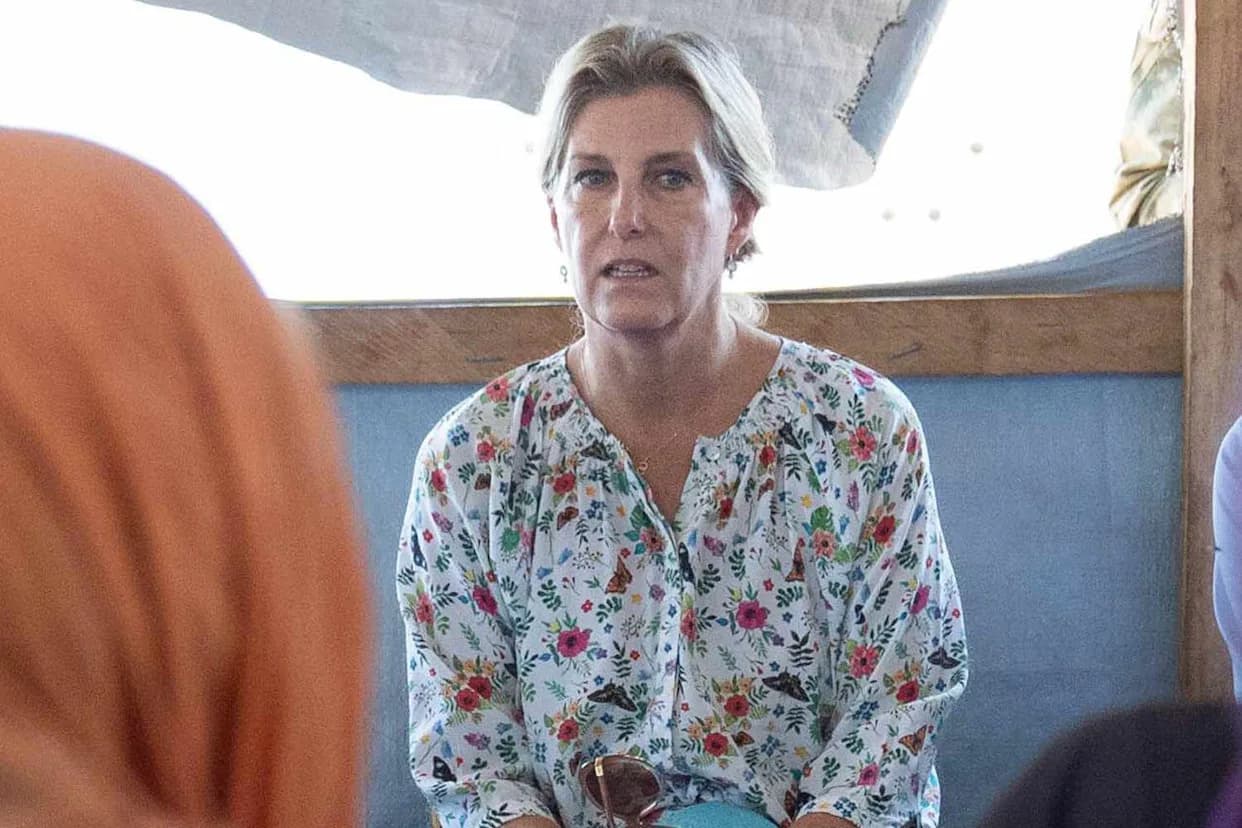
AlamySophie, the Duchess of Edinburgh in Chad, Central Africa on Oct. 13, 2024
Sophie, the Duchess of Edinburgh, published a rare and powerful essay in The Telegraph on Jan. 9, marking a grim milestone: 1,000 days of fighting in Sudan. Timed to that anniversary, her piece draws urgent attention to the human cost of a conflict that began in April 2023 and has since produced staggering loss, displacement and hunger.
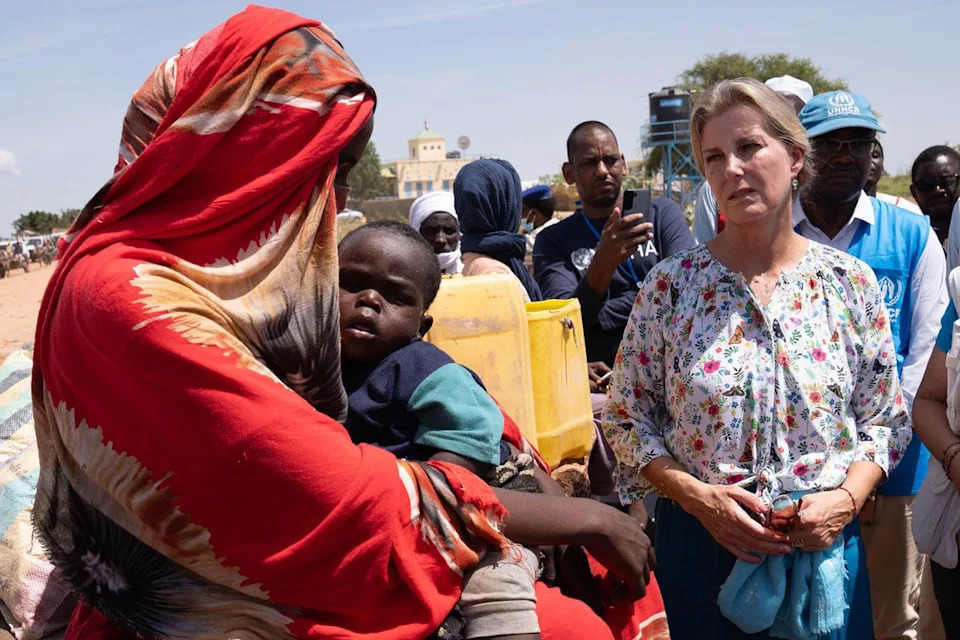
AlamySophie, the Duchess of Edinburgh in Chad on Oct. 13, 2024.
On the Ground in Adré
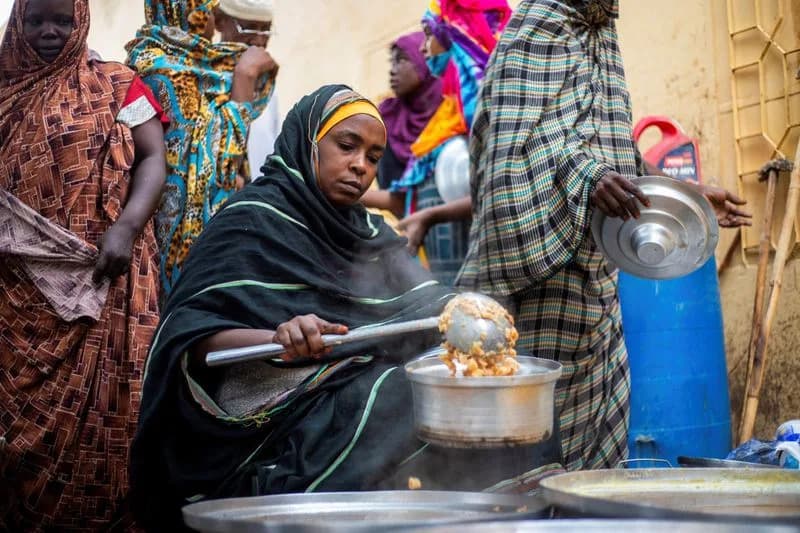
During an October 2024 visit to Adré, a transit town on the Chad–Sudan border, Sophie witnessed the displacement crisis firsthand. "Standing on the border of Sudan a year ago, I watched a countless stream of people making their way on foot or by donkey-drawn carts into neighboring Chad. Some traveled with families, but others were alone," she wrote. She described watching exhausted, traumatized people who had fled towns ravaged by militias.
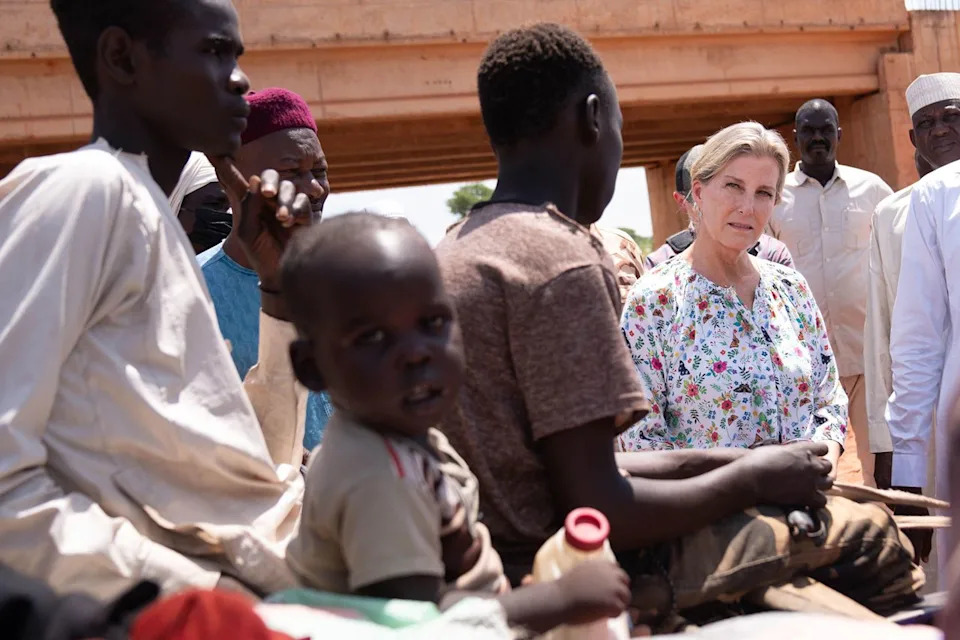
AlamySophie, the Duchess of Edinburgh meets a family crossing the border from Sudan into Chad at Adre on Oct. 13, 2024.
"In the calm of that moment, I shuddered to imagine what these exhausted, traumatized people had experienced and seen, having fled their towns and the brutality of raging militias."
Scale Of The Crisis
Sophie cited reporting and international data to underline the crisis's scale: according to the BBC, more than 150,000 people have died since the fighting began in April 2023. The United Nations has described the situation as the world’s biggest hunger crisis and its largest displacement emergency, with over 9.3 million people uprooted and about 4.3 million crossing international borders.
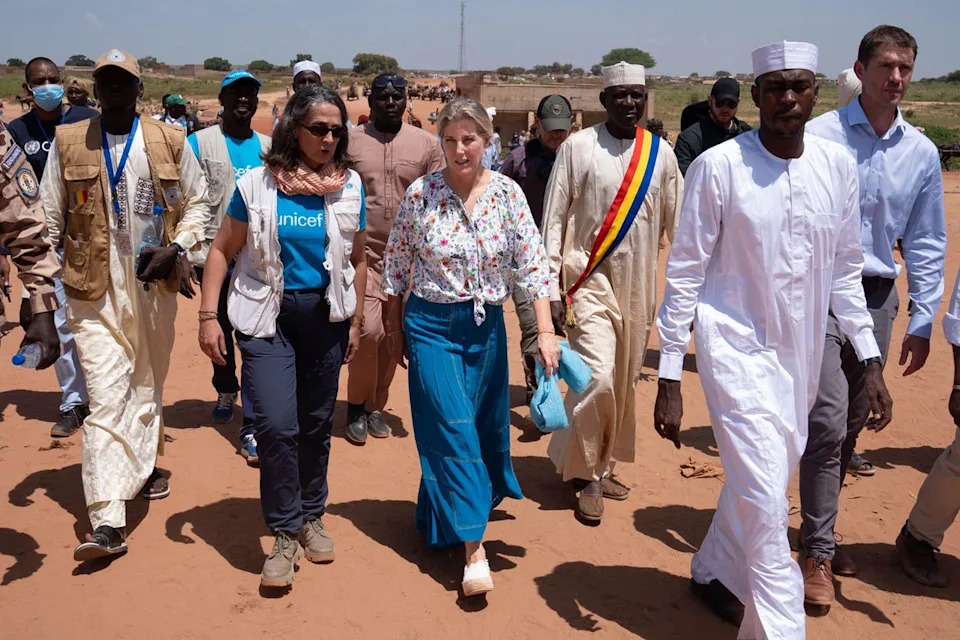
AlamySophie, the Duchess of Edinburgh in Chad on Oct. 13, 2024.
Personal Stories And The Impact On Women And Children
At the Adré transit camp Sophie heard "stories of profound loss and resilience" — young children who had lost whole families, mothers who had witnessed the killings of husbands and sons, and women who recounted sexual exploitation in exchange for food and water. These testimonies, she said, reflected the experience of many displaced people whose eyes "told tales of horrors no one should ever see."
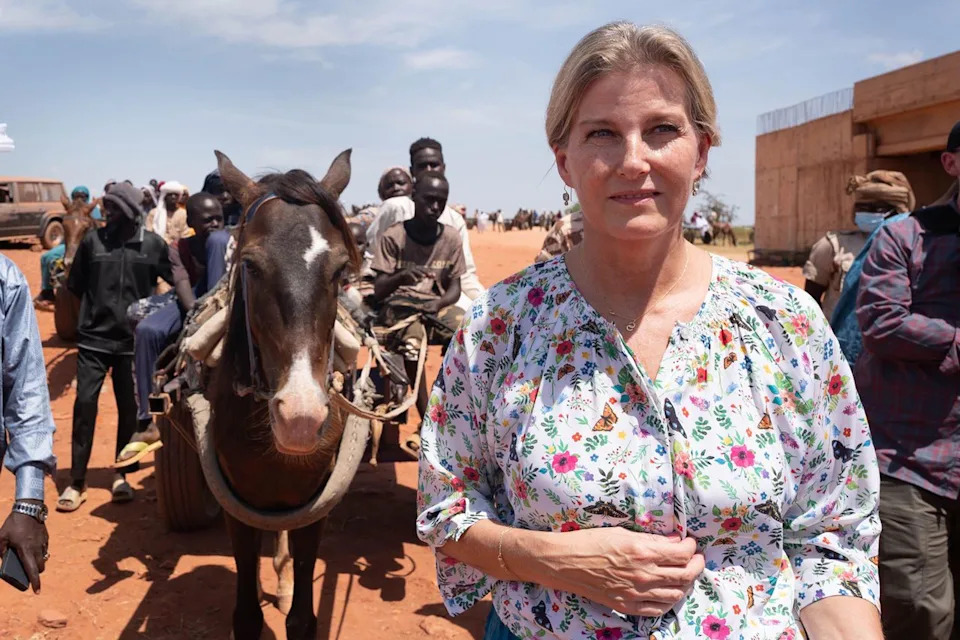
AlamySophie, the Duchess of Edinburgh in Chad on Oct. 13, 2024.
Despite the trauma, Sophie wrote that she found hope in the "extraordinary strength" and quiet leadership of women refugees caring for separated children and supporting their communities. She emphasized that when women are supported and empowered, whole communities are better placed to recover and build lasting peace.
Advocacy And Next Steps
The Duchess is described on the royal family's website as a global champion for the United Nations' Women, Peace and Security agenda and a supporter of the UK’s Preventing Sexual Violence in Conflict initiative. She used her essay to call for renewed international attention and resources to help end the conflict, save lives, and allow Sudanese families to return and rebuild safely. "We cannot change the past 1,000 days," she wrote, "but this sobering milestone reminds us of the opportunity for organisations working tirelessly on the ground to shape what happens next."
Sophie became the first member of the British royal family to officially visit Chad during her 2024 trip. The visit followed similar engagements in Kosovo, Sierra Leone, South Sudan and the Democratic Republic of the Congo, where she has focused on supporting survivors of conflict-related sexual violence.
Read the original essay in The Telegraph for Sophie’s full account and appeals to policymakers and humanitarian agencies.
Help us improve.