Raytron has launched an infrared thermal imaging platform, including the CX200 Pro handheld camera, to help energy auditors detect heat loss and inefficiencies in building envelopes without invasive inspections. The CX200 Pro claims sensitivity down to 40 millikelvin and offers a digital zoom to inspect distant or small targets. Academic research from the Beijing Institute of Technology describes a 4K infrared imaging approach inspired by pit viper heat organs that can see through fog and smoke. Together, these advances aim to make thermal diagnostics faster, more accurate and more widely applicable.
Infrared Imaging Advances Expose Hidden Heat Loss — From Handheld Cameras to 4K Sensors
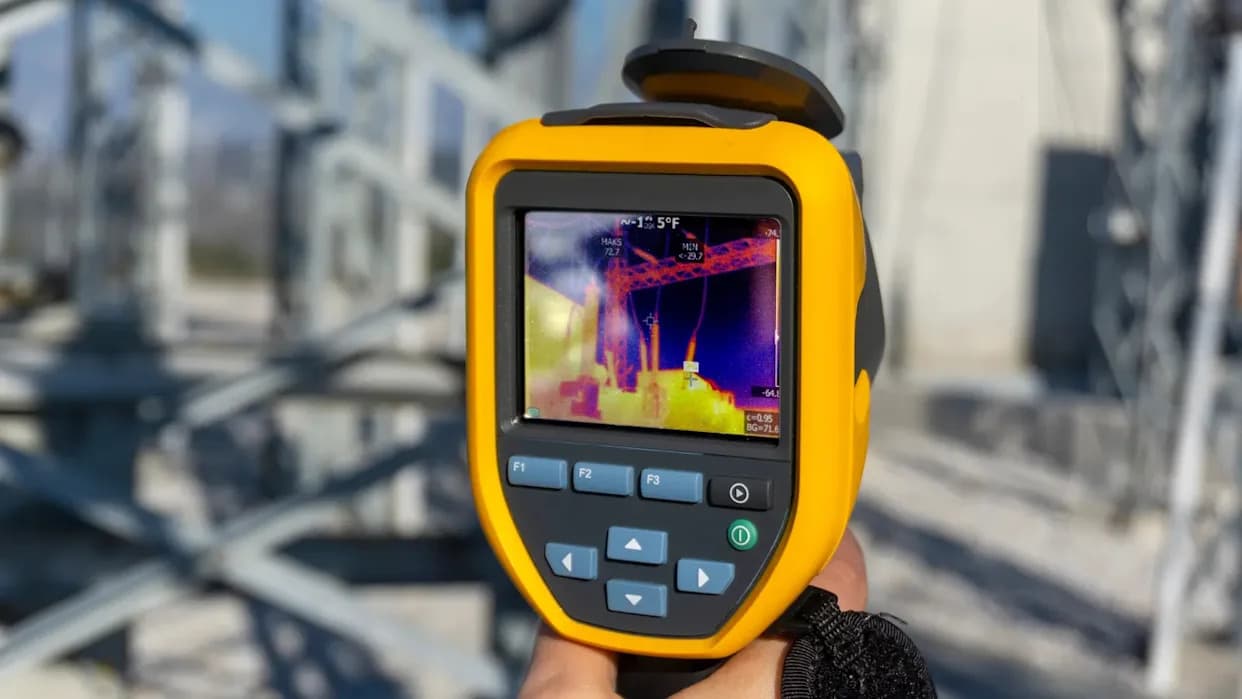
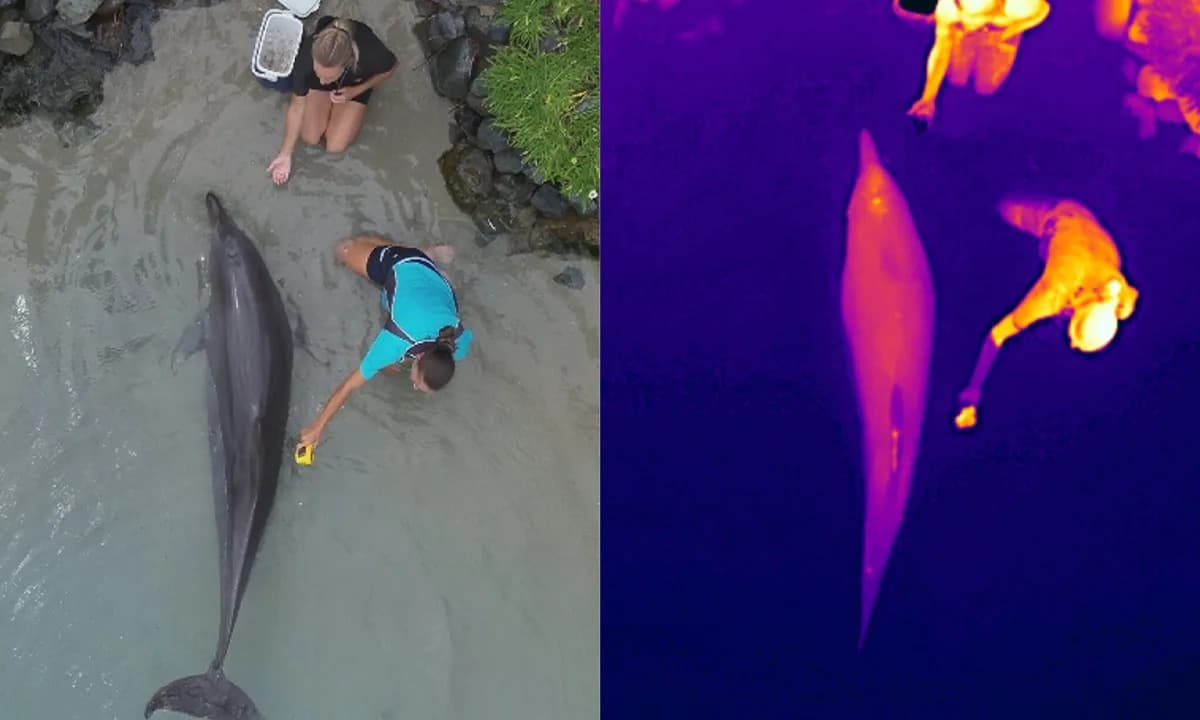
Infrared thermal imaging sensors and cameras, like those shown here, are improving to be smaller and more sensitive, meaning energy auditors can more easily identify building heat loss, experts say.
Researchers and manufacturers are refining infrared thermal imaging to help building owners spot heat loss, moisture and other inefficiencies without disruptive inspections. The technology promises faster, non‑destructive diagnostics that can lower energy bills and support carbon‑reduction efforts.
Raytron’s Commercial Solution
Raytron has unveiled an infrared thermal imaging platform aimed at helping energy auditors and facility teams locate heat loss across building envelopes. "Our goal is to make energy loss visible," said Charlie Li, a senior executive at Raytron. He added that the company's "full‑stack thermal imaging solutions … help clients turn buildings into sustainable assets."
Compared with traditional intrusive spot checks, infrared imaging provides a practical way to inspect walls, roofs, windows, pipelines and electrical systems without taking systems offline. Raytron says thermal imaging can reveal thermal bridges, insulation gaps and air leaks that force HVAC systems to run harder and increase energy use.
Field Diagnostics and the CX200 Pro
For HVAC and envelope inspections, Raytron highlights its handheld CX200 Pro thermal camera. The company reports the device detects temperature differences as small as 40 millikelvin (40 mK), allowing inspectors to see subtle anomalies. A digital zoom helps operators examine distant or small targets while maintaining image clarity, improving diagnostics in complex site environments.
Raytron also notes that thermal cameras can identify damaged duct insulation, blockages, and hidden moisture from condensation—insights that enable targeted repairs, avoid unnecessary equipment replacements and shorten diagnostic times compared with conventional methods.
Academic Advances: 4K Infrared Sensing
Parallel academic work at the Beijing Institute of Technology, published in Light: Science & Applications, describes an experimental ultra‑high‑resolution infrared imaging system capable of producing 4K thermal images. Inspired by the heat‑sensing pits of vipers, the researchers developed an artificial imaging approach that channels radiation through layered materials and renders a visible image on an 8‑inch disc.
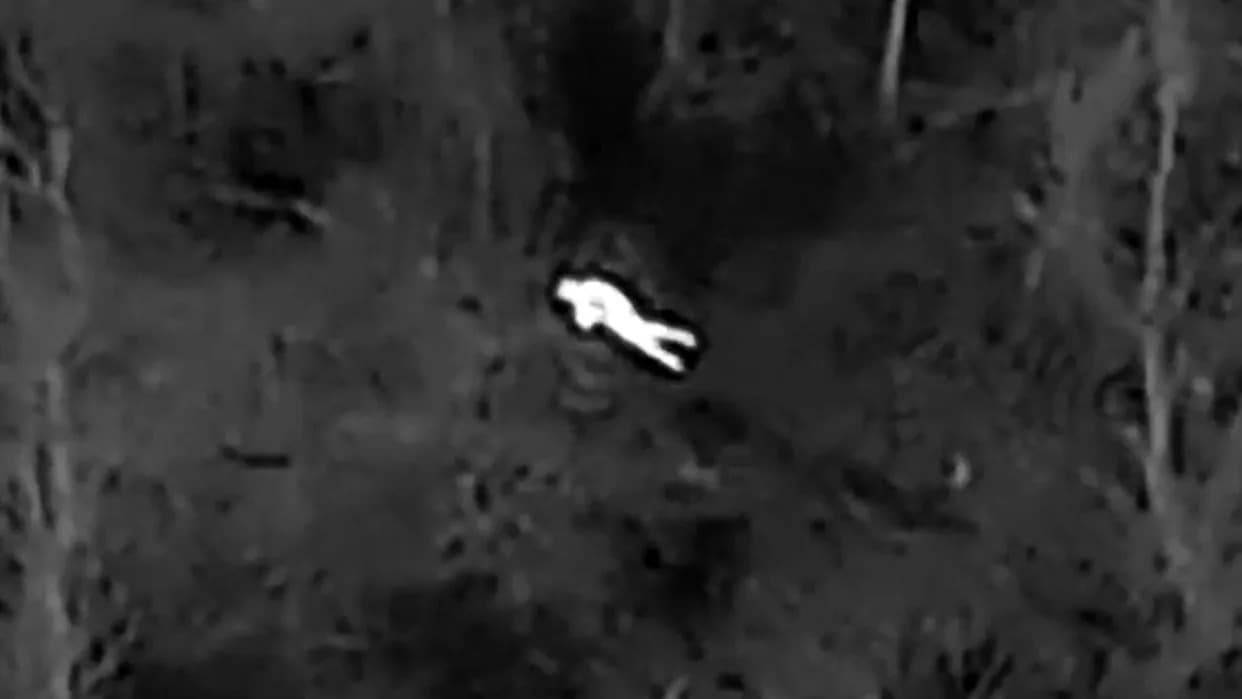
The team says their system effectively extends the range of wavelengths perceivable to the human eye and can detect warm objects in low‑visibility conditions such as fog, smoke or nighttime. The study suggests applications across industry inspection, food safety, gas sensing, agriculture, autonomous driving—and potentially consumer cameras and smartphones in the future.
Why This Matters
The building envelope—walls, windows, roofs and foundations—serves as the primary barrier between interior and exterior climates. According to the U.S. Department of Energy Better Buildings program, the envelope accounts for roughly 30% of energy use in commercial buildings. Better thermal diagnostics can help owners prioritize insulation upgrades, seal air leaks and optimize HVAC operations to cut energy consumption and emissions.
Bottom line: Commercial handheld thermal cameras like Raytron’s CX200 Pro make on‑site diagnostics faster and less disruptive, while emerging high‑resolution sensors could broaden applications and eventually reach consumer devices.
Help us improve.