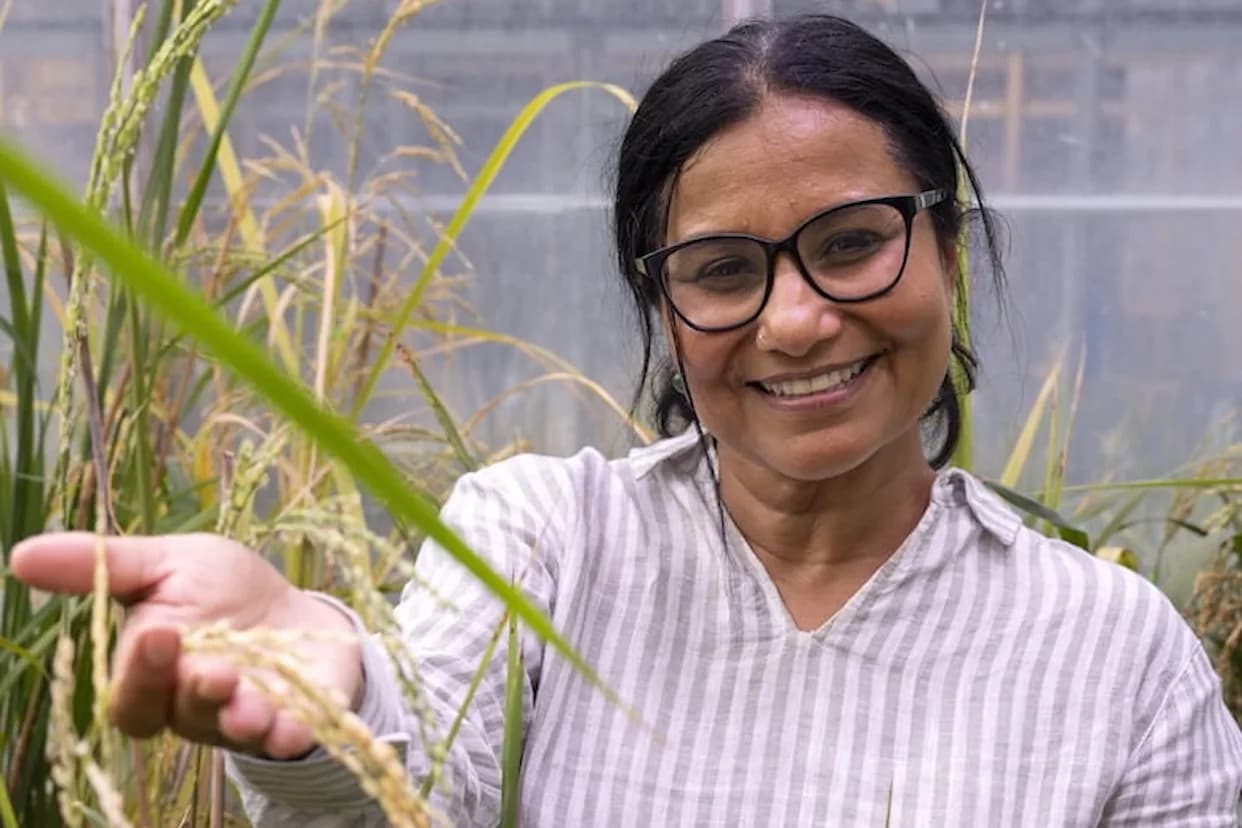
University of Florida researchers, in collaboration with a Brazilian colleague, are trialing acerola (Barbados cherry) across Florida to evaluate its genetics, cultivation potential and nutritional value. The fruit is dense in vitamin C—reportedly up to 100 times more than oranges—and contains carotenoids, anthocyanins and phenolic compounds with antioxidant benefits. Three field trials in Citra, Pierson and Homestead will test performance across climates, soils and management systems. Researchers hope acerola could become a viable alternative crop to help offset challenges in Florida's citrus industry and support economic growth.
Acerola, the 'Superfruit,' Could Become Florida's Next Cash Crop — Trials Underway

This ‘superfruit’ could be Florida’s newest crop
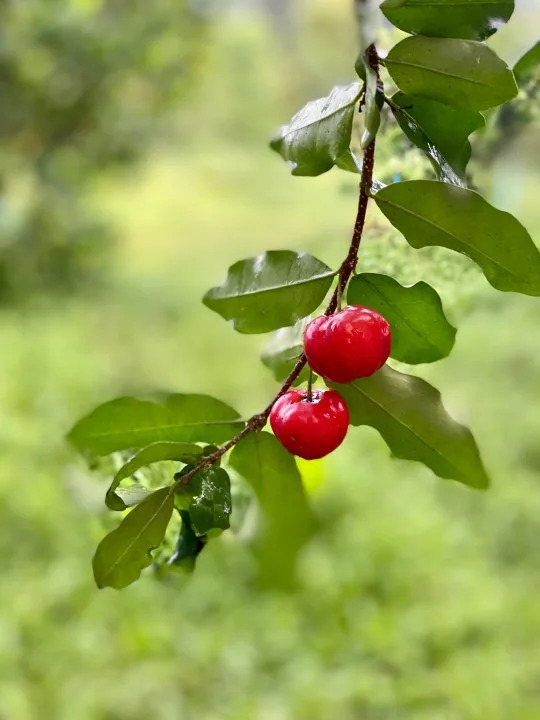
Acerola, commonly known as the Barbados cherry, is being tested across Florida as a potential new commercial crop after showing strong nutritional and market promise in the Caribbean and Central and South America.
Nutrition, Uses and Market Potential
The University of Florida's Institute of Food and Agricultural Sciences (UF/IFAS) notes that acerola cherries are exceptionally rich in vitamin C as well as carotenoids, anthocyanins and phenolic compounds, which give the fruit antioxidant and anti-inflammatory properties. These qualities make acerola suitable for fresh markets, desserts, juices and dietary supplements.
'These nutritional benefits have elevated acerola to superfood status, making it marketable for fresh consumption, desserts, supplements or juice,' said Felipe Ferrao, who is leading the project for UF/IFAS. 'They can contain up to 100 times more vitamin C than oranges, making them a powerful candidate for enhancing and supplementing our diet.'
Field Trials and Research Goals
UF/IFAS researchers, working with a Brazilian collaborator, have launched three principal field trials to evaluate acerola's suitability for Florida production: the UF/IFAS Plant Science Research and Education Center in Citra, a commercial farm in Pierson, and the UF/IFAS Tropical Research and Education Center (TREC) in Homestead. The trials will test how the plant performs under different climates, soil types and management systems across the state.
'Our central goal is to determine the best regions and practices for growing acerola, while understanding how climate conditions influence fruit quality and nutritional value,' Ferrao said.
Why This Matters To Florida Agriculture
Researchers see acerola as a potential alternative or complementary crop for Florida growers facing persistent challenges in citrus production. If trials show consistent yields and fruit quality, acerola could offer economic diversification, new market opportunities and contributions to regional food security.
UF/IFAS will continue to monitor performance, fruit quality and nutritional content across trial sites to recommend best practices should growers choose to adopt acerola on a commercial scale.
Help us improve.