In 2024, a wildlife survey in Pha Daeng Cave, Thailand, uncovered two previously undescribed "dragon" millipede species, one informally nicknamed the Princess Dragon Millipede. Each is about one inch long with spiny body projections; DNA tests show 10%–18% divergence from known relatives, confirming their status as distinct species. The find adds to 84 cataloged dragon millipede varieties and highlights the importance of conserving cave habitats and biodiversity.
Two New “Dragon” Millipedes Discovered in Thai Cave — One Named for a Princess
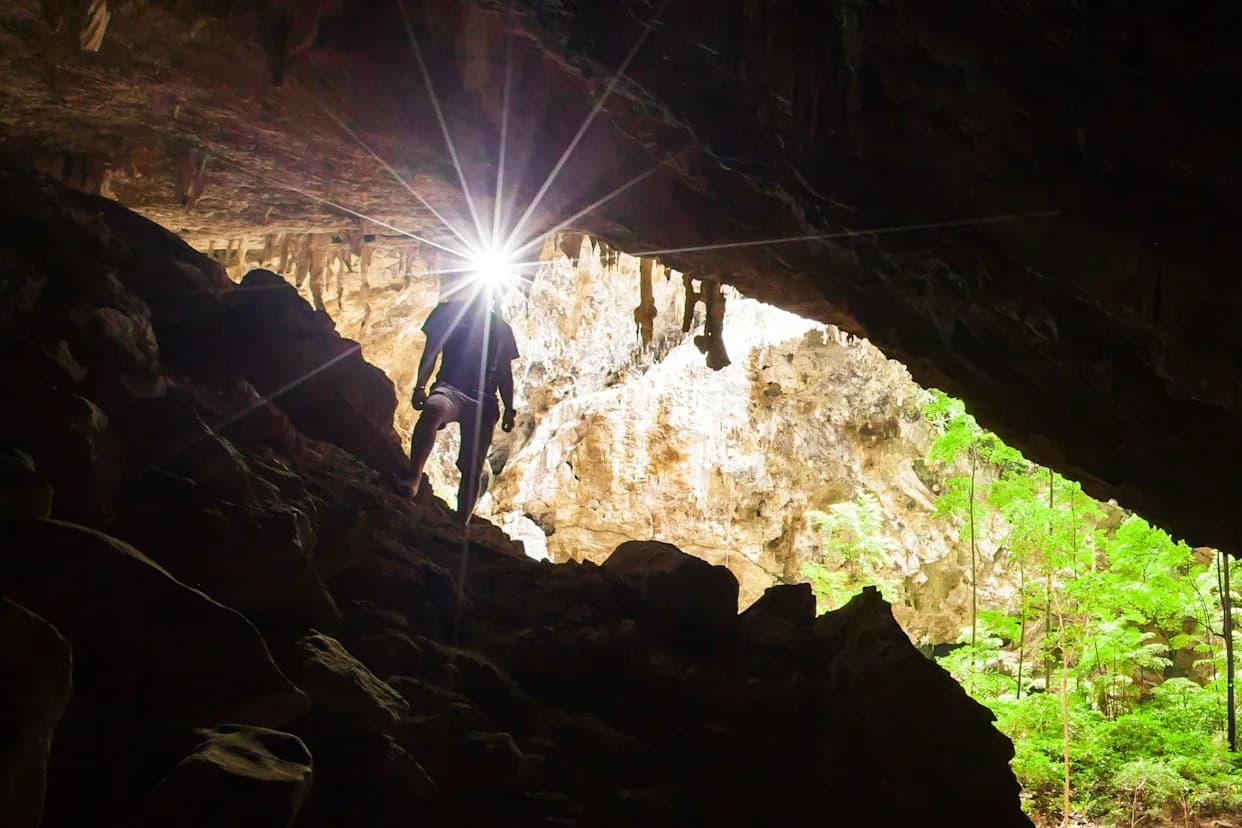
Photo Credit: iStock
Researchers conducting a wildlife survey inside Pha Daeng Cave in Thailand made an unexpected 2024 discovery: two previously undocumented species of so-called "dragon" millipedes.
What They Look Like
Each millipede is roughly one inch long and bears rows of spiny projections along its body plus long, sweeping appendages that give it a dragon-like silhouette reminiscent of creatures in Asian mythology.
A Name to Honor Conservation
One of the newly described species has been given the informal name Princess Dragon Millipede, honoring Princess Maha Chakri Sirindhorn for her sustained support of scientific research and conservation across Thailand.
How They Were Found
Locating the animals required physical effort: researchers climbed steep, damp rock faces inside the cave to reach the calcium-rich surfaces where the millipedes live. So far, this cave system is the only confirmed habitat for the two species.
Confirming New Species
Scientists combined microscopic examination with genetic testing. DNA extracted from limb and tissue samples showed these millipedes differ from their nearest known relatives by roughly 10%–18%, a level of divergence consistent with distinct species on the evolutionary tree.
Context and Conservation
The discovery increases our knowledge of dragon millipedes — researchers have now cataloged 84 varieties grouped across eight categories. Advances in lab techniques have accelerated identifications, and many new species have been added in the last decade.
“Even small, obscure animals play outsized roles in healthy ecosystems,” the team notes — millipedes help cycle nutrients and decompose organic matter, supporting soil health and plant communities.
Discoveries like this often galvanize local conservation efforts by drawing attention to fragile habitats. Preserving caves, forests, and overlooked wild places helps protect species we already know about — and those we have yet to find.
How You Can Help
Support local conservation groups, avoid disturbing natural areas, and advocate for habitat protection. The next scientific surprise could be closer than you think.
Help us improve.