Seattle-area schools have used an online health survey called "Check Yourself" for students in roughly grades 5–10 that asks about gender identity, crushes, mental health and substance use. The tool is part of the SBIRT program and reportedly includes about 40 questions; participation is described as voluntary and students use proxy IDs. Documents cited by reporting say responses have been shared with outside partners such as King County and Seattle Children’s Hospital, prompting privacy concerns and a Department of Education inquiry, while King County’s ombuds office previously found no evidence of wrongful disclosure.
Seattle-Area Schools Survey Students As Young As 10 On Gender, Mental Health And Drug Use — Federal Probe Opens

Children sitting in their school classroom and raising their hands to answer a question.
School districts around Seattle have administered an online health questionnaire called "Check Yourself" to students as young as 10, prompting concerns about privacy, parental notification and data-sharing practices.
What the Survey Covers
The web-based questionnaire, delivered to students in roughly grades 5–10 at participating schools, is part of a grant-funded initiative known as SBIRT (Screening, Brief Intervention and Referral to Services). The survey contains about 40 items on topics including gender identity, romantic interests (for example, which gender a student is "most likely to have a crush on"), mental health, alcohol and drug use, self-harm and social supports.
Participation, Identification And Use
Seattle Public Schools (SPS) says participation is voluntary: families receive a notification letter in advance and may opt their children out, and students can decline to take the survey. The district states that students are assigned proxy identification numbers (rather than names or district IDs) and that responses are reviewed by school-based staff such as counselors and prevention specialists to identify students who may need support. SPS emphasizes the tool is not diagnostic and says it complies with federal and state student-privacy laws including FERPA and the Protection of Pupil Rights Amendment (PPRA).
Data-Sharing Concerns And Reporting

Teenage girls sitting in a row at the desks in the classroom and writing an exam.
Reporting by outlets including National Review and Fox News says documents show survey responses have been shared with outside organizations under data-sharing and funding agreements for evaluation and research — including King County and Seattle Children’s Hospital or affiliated research groups. Some parents worry that even de‑identified data could, in practice, make students identifiable or be used in ways they did not expect.
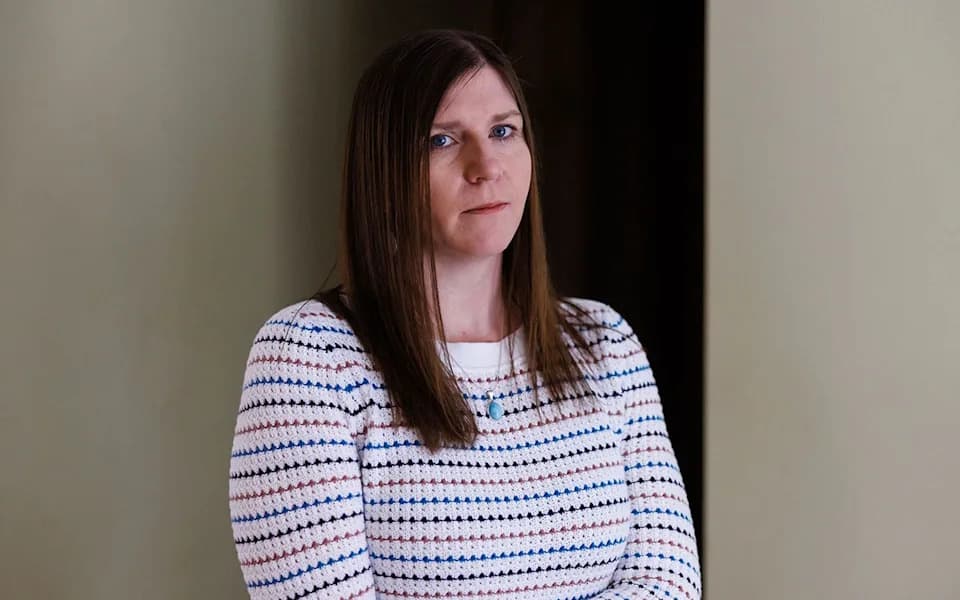
"Schools were paid a lot of money to release these records to third parties, including Seattle Children’s Hospital," said parent Stephanie Hager, who obtained survey records through public-records requests and has been an outspoken critic of the program.
Official Inquiries And Findings
The Department of Education’s Student Privacy Policy Office has opened an inquiry into Seattle-area schools over the survey and data-sharing concerns. An earlier review by the King County Ombuds Office concluded there was "no evidence" of wrongful disclosure of private student information by King County. SPS maintains the survey is a valuable tool to identify and connect students who may need help.
Scope And Community Reaction
According to reporting, more than 67,000 students in the Seattle region have taken the survey since 2018. Parents in Washington and Oregon have publicly objected to questions they consider sensitive being asked of children without explicit written parental consent. Some parents frame the issue as a matter of privacy and parental rights; proponents say the screening can help identify at-risk students and connect them with services.
Why It Matters
This controversy centers on balancing student safety and mental-health screening with parental consent, data protection, and transparency about how sensitive student responses are collected, stored and shared. The federal inquiry will seek to clarify whether current practices comply with privacy laws and guidance.
Help us improve.