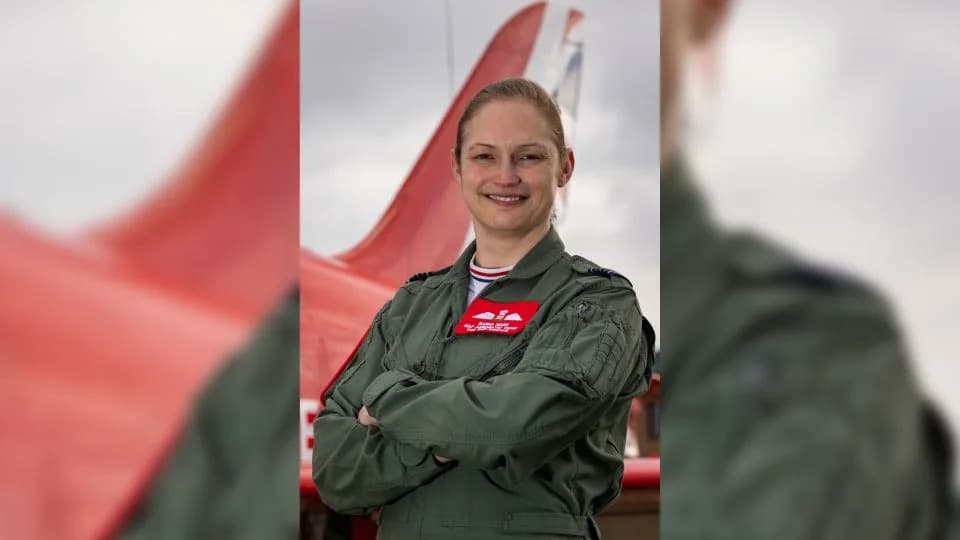
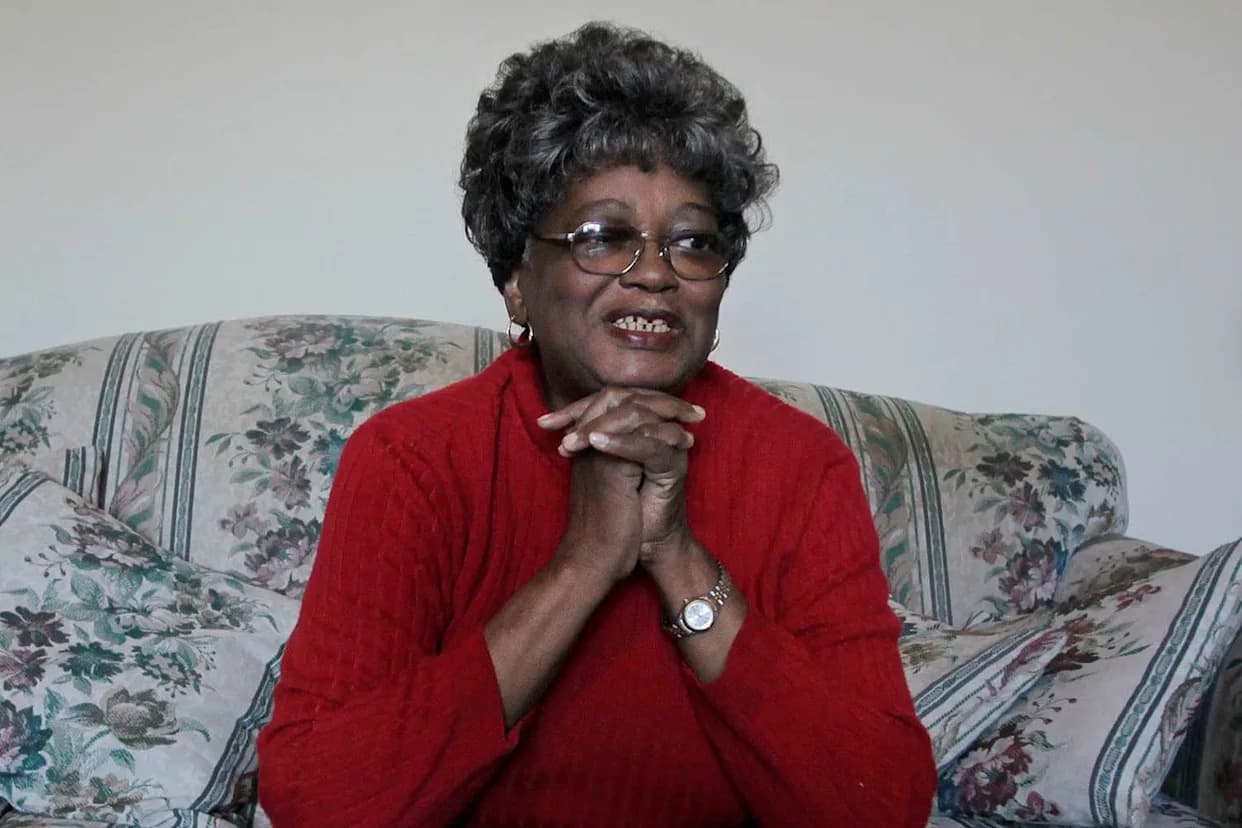
Theresa Claiborne made history as the U.S. Air Force’s first Black woman pilot and later built a long commercial career at United Airlines, retiring in May 2024 as a 787 captain. A viral TikTok renewed attention to her trailblazing path and mentorship work — she co-founded Sisters of the Skies to support young women of color pursuing aviation. Claiborne warns against politicized attacks on diversity efforts, notes persistent bias in the industry, and emphasizes that competence and training determine who earns a seat in the cockpit.
Trailblazer Theresa Claiborne: USAF’s First Black Woman Pilot Who Flew Nearly Every Boeing Jet
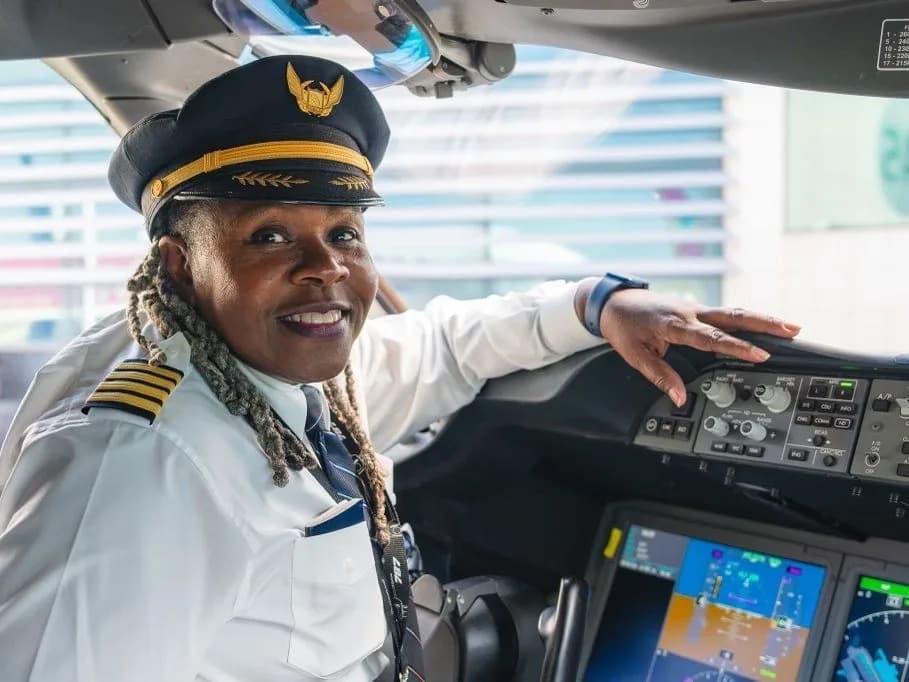
A viral TikTok video about retired United captain and USAF veteran Theresa Claiborne comes amid a time when diversity is being threatened in aviation.Courtesy of Retired United Captain Theresa Claiborne
Theresa Claiborne rose from a military-family upbringing in Sacramento to become a pioneering aviator whose career spans the U.S. Air Force and decades at United Airlines. A TikTok profile of her story drew millions of views, introducing a new generation to a pilot who repeatedly broke barriers and mentored others to follow.
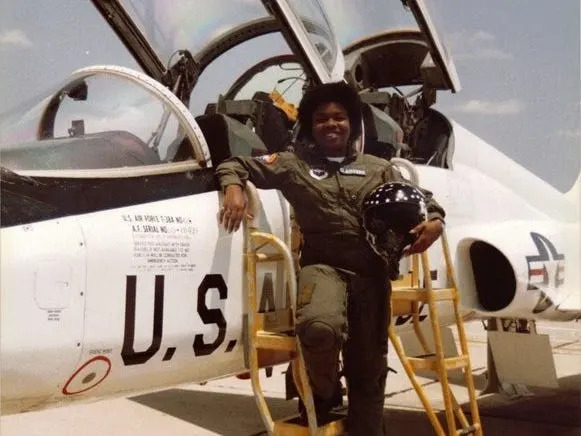
Captain Theresa ClaiborneRetired United Captain Theresa Claiborne
From the Air Force To Commercial Skies
Commissioned as a second lieutenant in the U.S. Air Force in 1981, Claiborne became the service’s first Black woman pilot after completing rigorous qualifying exams and training. She primarily flew the Boeing KC-135 Stratotanker on aerial refueling missions, a role that gave her experience with "heavy" aircraft and helped ease her transition to commercial widebodies later on.
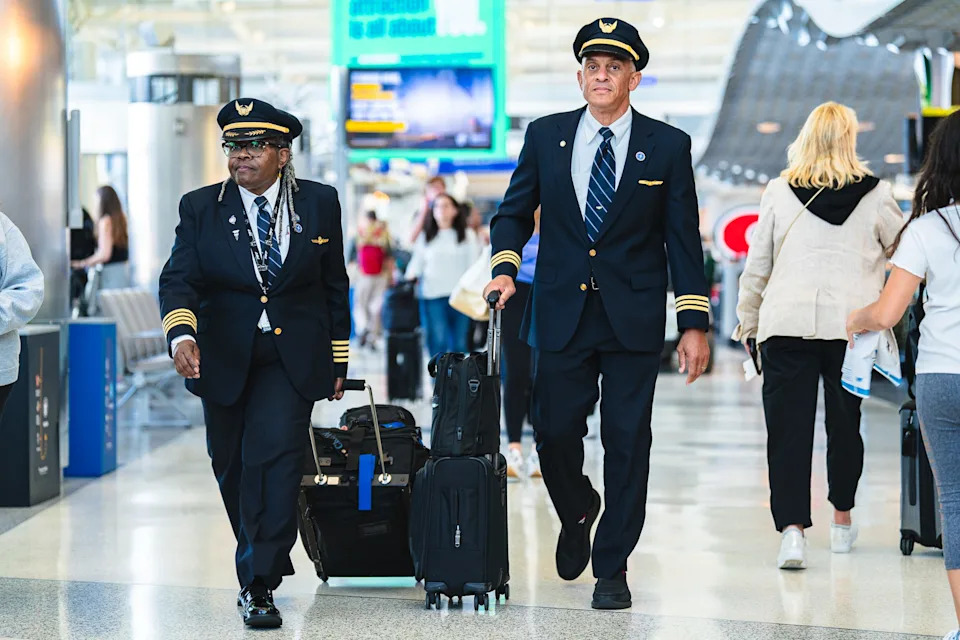
Retired United Captain Theresa Claiborne climbed into the upper echelons of airline seniority during her 34 years at the company.Retired United Captain Theresa Claiborne
Claiborne left active duty in 1988 but stayed in the Air Force Reserves as a flight commander and KC-135 instructor pilot, retiring from the reserves as a lieutenant colonel in 2003.
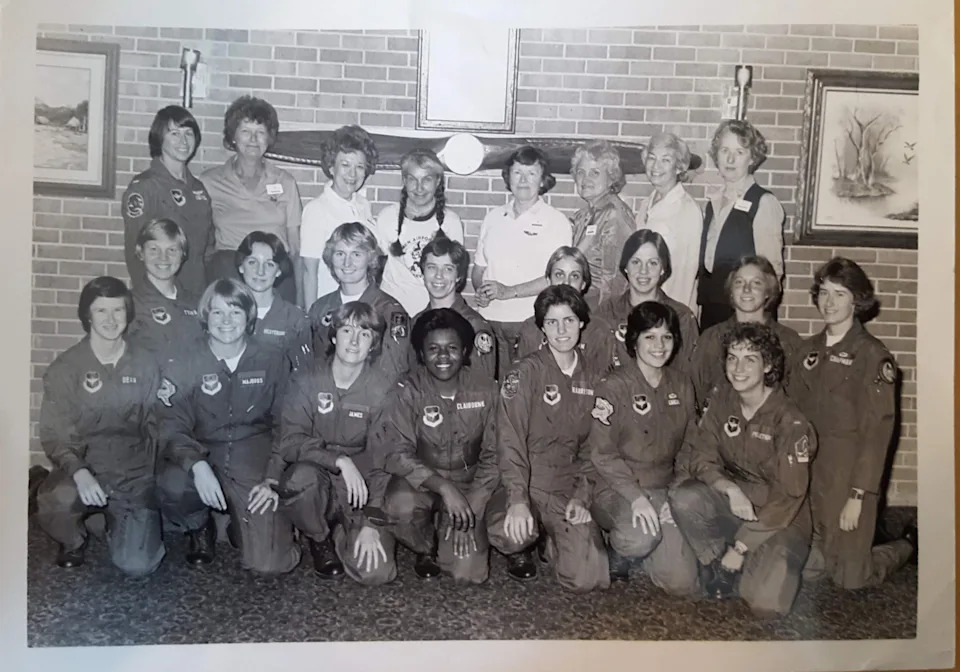
Claiborne's pilot training class of 1981.Courtesy of Retired United Captain Theresa Claiborne
A Long Career At United Airlines
She joined United Airlines in 1990 as a flight engineer on the Boeing 727 and rose through the ranks to retire in May 2024 as a captain on the Boeing 787 Dreamliner. Over her United career she flew nearly every major Boeing passenger jet in the fleet — including the 737, 747, 757, 767 and 787 — and logged long-haul routes around the globe.
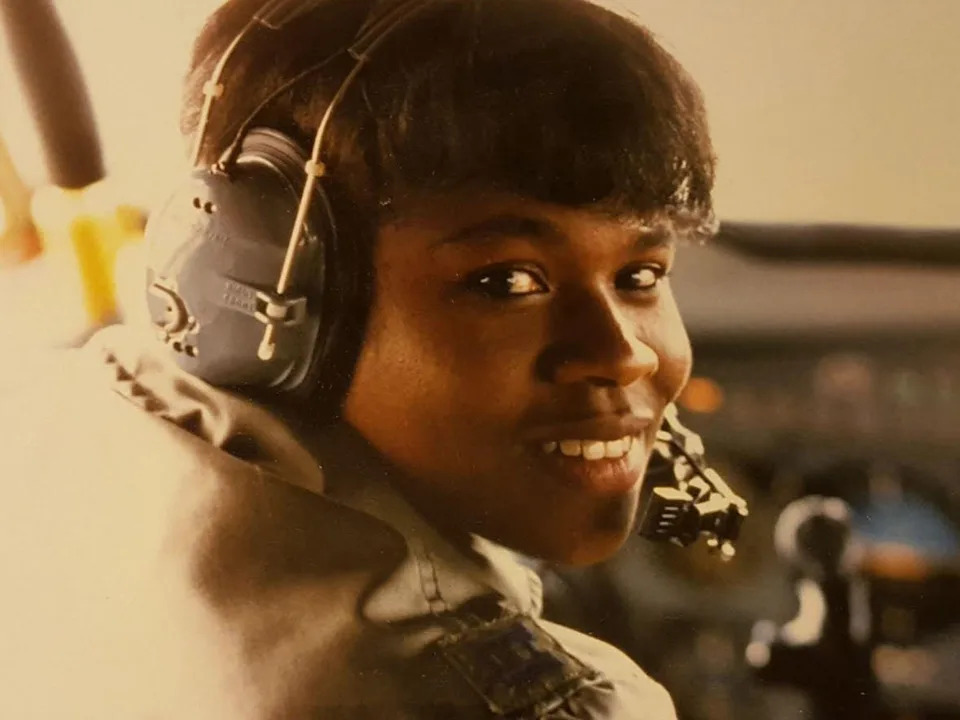
Theresa Claiborne at the controls of a KC-135 in 1985.Courtesy of Captain Theresa Claiborne
“I tell young women to just be the best they can be and to fly a good airplane.” — Theresa Claiborne
On Skill, Pay And Culture
Claiborne says the technical skills she developed in the Air Force translated well to commercial flying, especially for handling large, heavy aircraft. She also noted that airline pay — particularly at the captain level — can be higher than military compensation: under the current pilot union contract, United 787 captains start at roughly $426 per hour before per diem and other premiums.
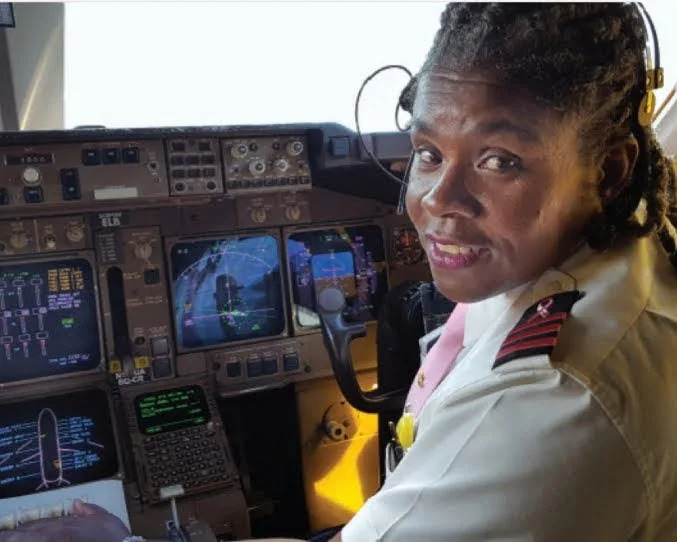
Captain Theresa Claiborne in the cockpit of a Boeing 747-400 in 2017.Courtesy of Captain Theresa Claiborne
Still, she describes repeated cultural challenges. Despite rank and experience, Claiborne says she often felt she had to prove herself on the flight deck and that Black women were not always afforded the same benefit of the doubt given to many white male colleagues.
Diversity, Public Debate, And Mentorship
Claiborne’s story comes as aviation diversity efforts face heightened scrutiny in public and political debate. Following a January plane crash near Washington, D.C., some political figures suggested — without evidence — that DEI programs contributed to the incident; the National Transportation Safety Board’s preliminary report made no mention of diversity initiatives. Claiborne called such messaging "damaging," stressing that safety and competence are nonpartisan and that hiring is based on qualification, not optics.
In 2017 she co-founded Sisters of the Skies, a nonprofit that offers mentorship, scholarships, and exposure to aviation for young women of color. The organization estimates fewer than 150 Black women in the U.S. hold an airline transport, commercial, military, or certified flight instructor license.
Data On Representation
Federal-data compilations cited by career platforms show how narrow the pilot pipeline remains: roughly 7% of U.S. airline pilots are women, about 6.9% of commercial pilots identify as Latino or Hispanic, and approximately 1 in 40 commercial pilots is Black. About 82% of commercial pilots are white.
Legacy And Advice
Claiborne says she hopes the visibility from the viral video will build confidence among aspiring pilots from underrepresented backgrounds: "If you can see it, you can be it." She credits rigorous training, perseverance, and the mentorship she now provides as keys to widening the gateway into aviation.
Note: All dates and roles reflect Claiborne’s public career timeline: commissioned in 1981, left active duty in 1988, joined United in 1990, retired from the Air Force Reserves in 2003, and retired from United in May 2024.
Help us improve.