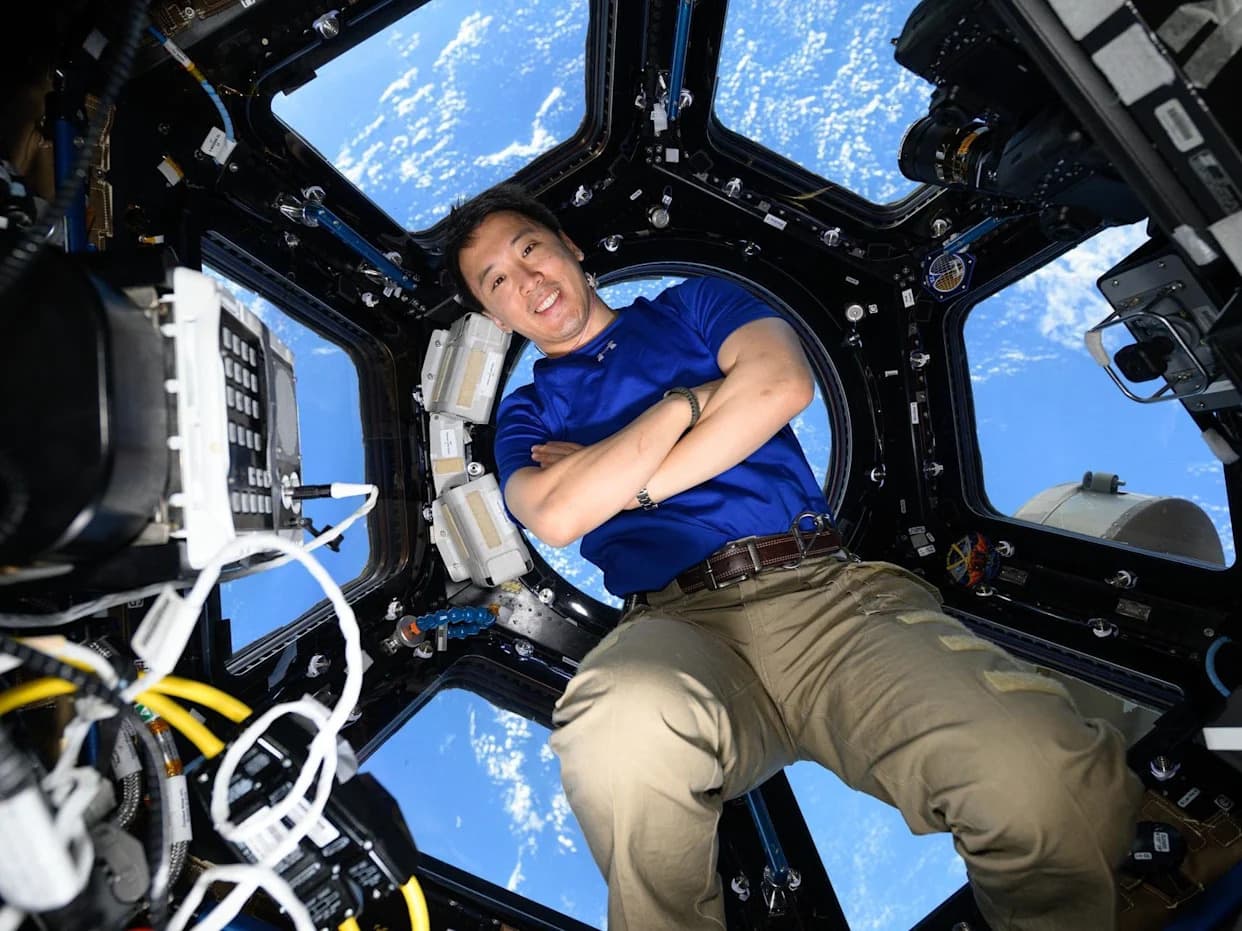
Astronaut Kimiya Yui released a striking timelapse from the International Space Station to mark his 300th cumulative day in space. The footage opens with zodiacal light — sunlight scattered by interplanetary dust — then shows green auroras flickering between the ISS solar arrays and bright stars from Pegasus, Andromeda and Aries. Near the end, the seven brightest stars of the Pleiades cluster appear as the station continues its orbit.
Stunning ISS Timelapse: Kimiya Yui Captures Zodiacal Light, Dancing Auroras and the Pleiades
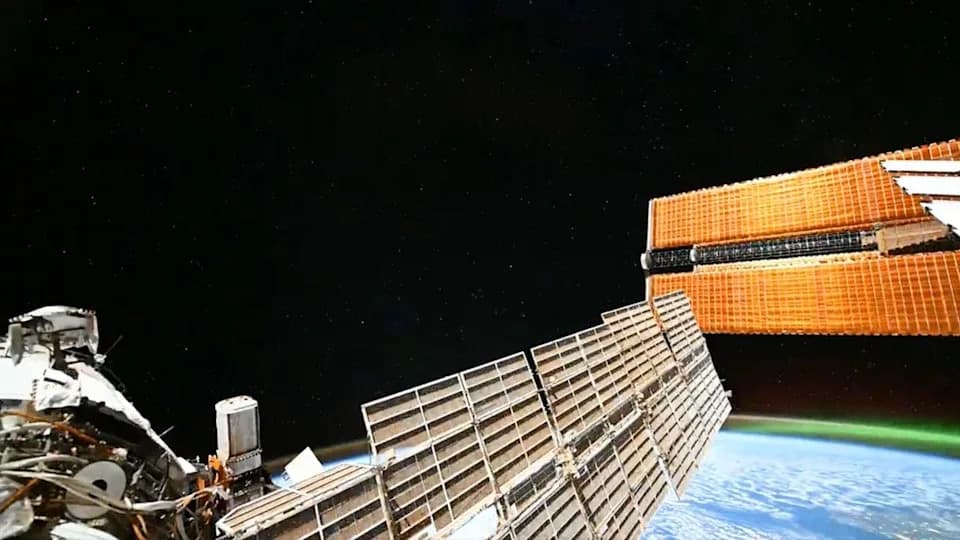
Credit: Kimiya Yui via X
Astronaut Kimiya Yui released a breathtaking timelapse filmed from the International Space Station that showcases several phenomena visible only from low-Earth orbit. The clip, posted on the social platform X, marks Yui's 300th cumulative day in space during his second tour with the Japan Aerospace Exploration Agency (JAXA).
Yui said the timelapse was his way of saying thank you for the opportunity to spend more than 300 days in space. In his post he described the footage as a "slightly unusual timelapse from the window," and it unfolds as a short, cinematic tour of the night sky from orbit.
What the Timelapse Shows
Zodiacal Light: The video opens with a pale, luminous shaft of zodiacal light — sunlight scattering off a cloud of interplanetary dust particles to form a glowing column above Earth’s curved limb.
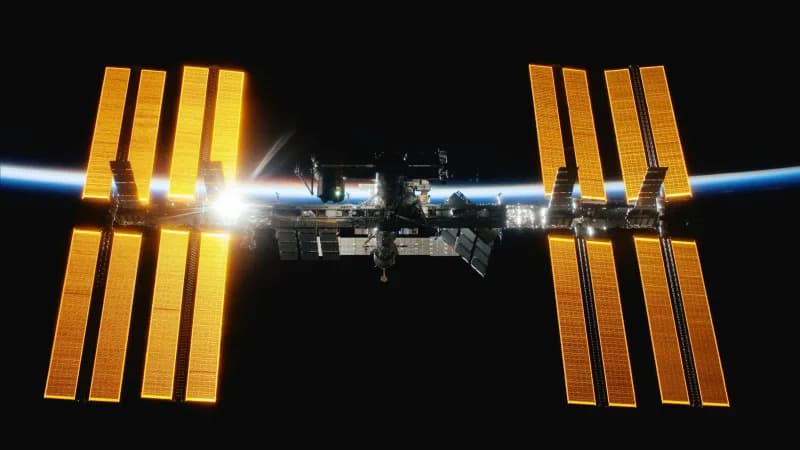
Auroras Between Solar Arrays: As the zodiacal glow fades, green auroras begin to shimmer in Earth’s upper atmosphere, weaving between the silhouettes of the station’s rotating solar arrays as they track the Sun.
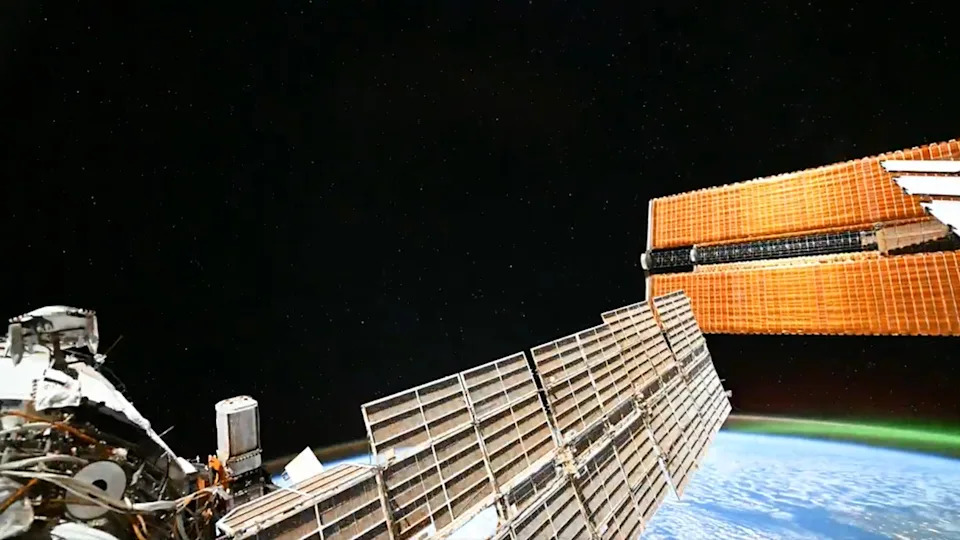
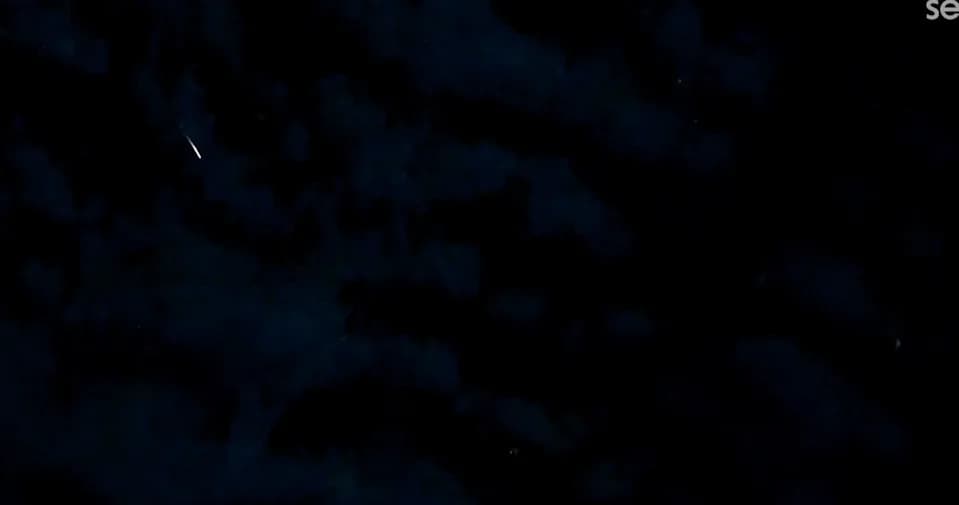
A view of low-Earth orbit captured from the International Space Station | Credit: Kimiya Yui via X
Stars and Constellations: Bright stars from the constellations Pegasus and Andromeda, along with members of Aries, drift into view. Near the end of the clip, attentive viewers can spot the seven brightest white-blue stars of the Pleiades open cluster appearing at the upper-left of the frame and descending toward the modular structure of the ISS.
Context And Why It Matters
This timelapse highlights how orbital photography — from external cameras and crew windows — can capture phenomena not easily seen from the ground. Yui’s footage is also notable for its personal context: it commemorates his cumulative 300 days in space during a mission that has been reported to end earlier than planned after an undisclosed medical issue affected an unnamed crewmate who launched with him on SpaceX’s Crew-11 flight.
Whether you follow space science for the visuals or the human stories, the clip is a vivid reminder of the unique perspective orbital crews have on our planet and sky.
Want More?
You can watch live orbital views streamed from external ISS cameras and follow crew photography to see similar sights in real time. If you enjoy hands-on space kits, there are also consumer models of the ISS available that let you bring a piece of the station into your home.
Editor's Note: If you capture an astrophotography timelapse or night-sky image and would like to share it with Space.com readers, please send your photo(s), a short description, and your name and location to spacephotos@space.com.
Help us improve.