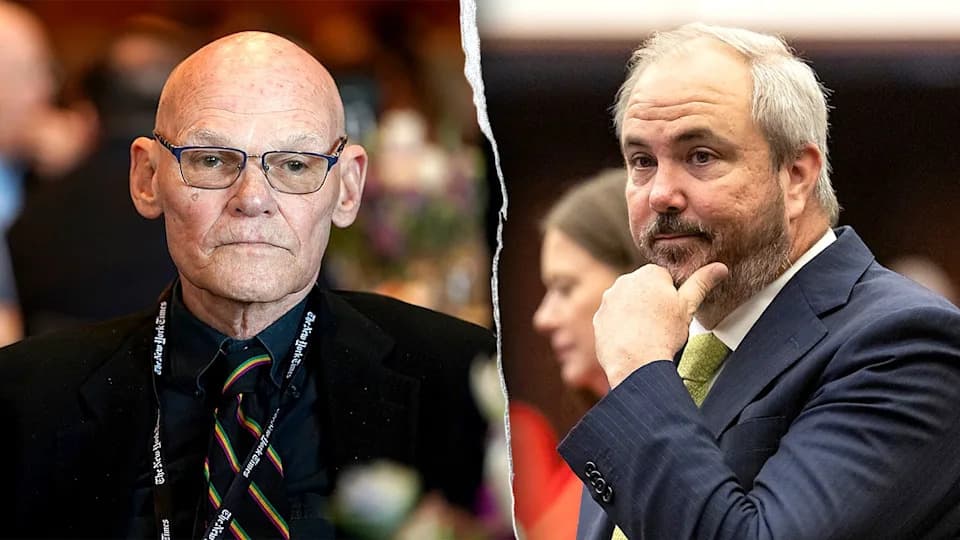
Nate Silver told Semafor he was surprised that many Democrats appear unwilling to acknowledge major mistakes from the 2024 election, criticizing postmortems that omit high-profile errors and the DNC’s decision not to publish a public "autopsy." He warned that a faction of the party risks becoming an "epistemic bubble" while familiar figures like Gavin Newsom and Kamala Harris remain prominent potential contenders. DNC Chair Ken Martin said the party completed an internal review but kept it private to avoid distracting from 2026 efforts. Other journalists in the Semafor series reflected on institutional failures to respond effectively during the Trump era.
Nate Silver: Democrats Reluctant To Own 2024 Mistakes, Warns Of Growing 'Epistemic Bubble'
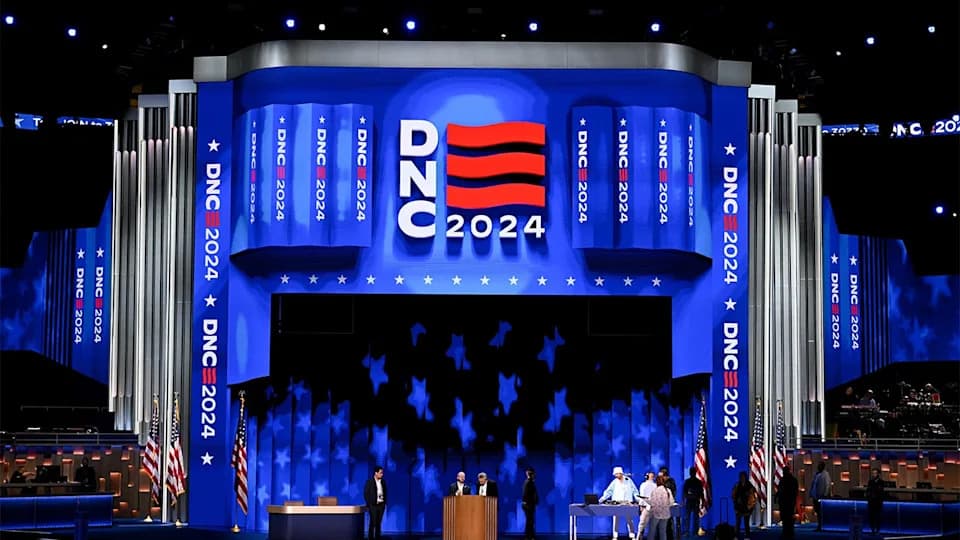
Pollster Nate Silver told Semafor that he was surprised that the Democratic Party continues to support progressive policies and candidates after 2024.
Pollster and FiveThirtyEight founder Nate Silver said he was surprised that a sizable segment of the Democratic Party appears unwilling to acknowledge major mistakes from the 2024 election. Speaking to Semafor, Silver criticized recent internal postmortems and the party’s choice not to publish a public “autopsy,” arguing that this reluctance could limit the party’s ability to learn and adapt.
What Silver Said
In the interview, Silver said:
"I’ve been surprised, to some extent, by the unwillingness of a certain Democratic faction to admit they f----- up last year."He pointed to a Way to Win postmortem that, in his view, framed the party’s failures mainly as a lack of advocacy for progressive policies and omitted discussion of high-profile missteps — for example, President Joe Biden’s debate performance against Donald Trump.
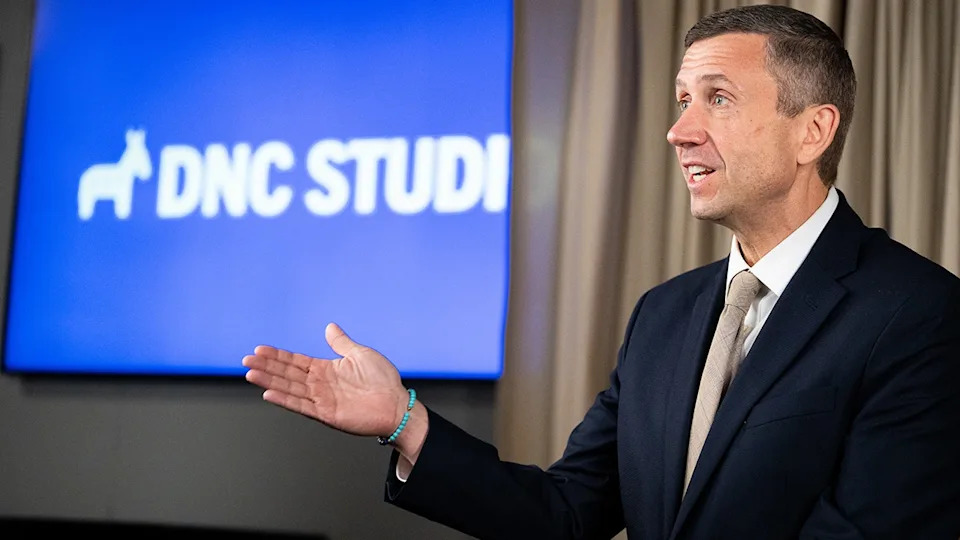
Democratic National Committee Chairman Ken Martin defended holding off the release of a party "autopsy" on the 2024 election.
Silver warned that a portion of the party — which he associated with the "#Resistance" label — risks becoming "a self-contained epistemic bubble" if it refuses a candid reckoning. He also noted that prominent Democrats such as California Governor Gavin Newsom or former Vice President Kamala Harris remain discussed as potential future nominees, a choice Silver suggested might repeat failed dynamics.
Context And Reactions
The remarks were part of a Semafor project in which journalists and commentators assessed where their 2025 predictions fell short. Other participants criticized institutions and elites for what they described as an insufficient or conciliatory response to the Trump era. Vanity Fair's Mark Guiducci, MSNBC's Joe Scarborough and HuffPost's Whitney Snyder each reflected on related institutional failures.
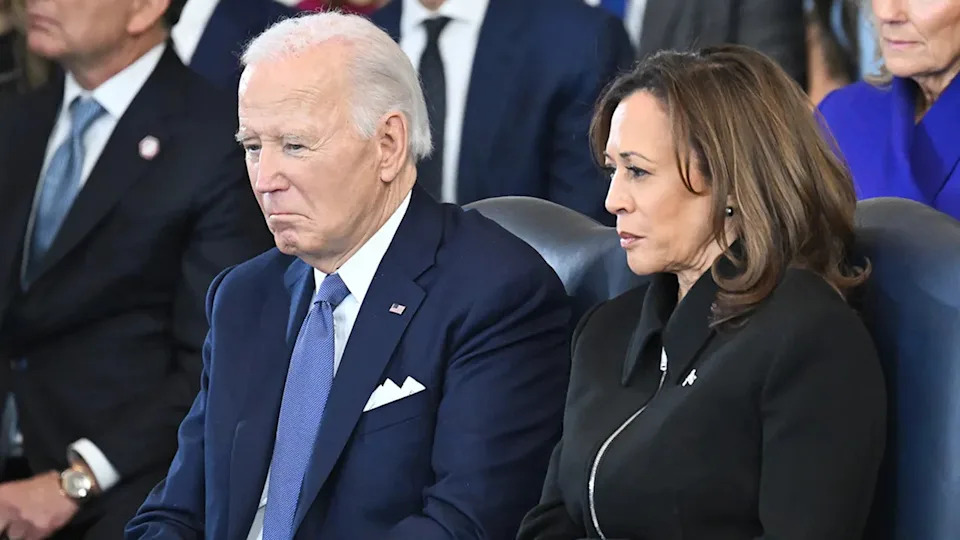
The DNC's report allegedly ignored major election decisions, such as whether then-Vice President Kamala Harris should have replaced President Joe Biden as a candidate.
Fox News Digital requested comment from the Democratic National Committee. DNC Chair Ken Martin defended the decision not to release a public autopsy, saying the party had completed a "comprehensive review of what happened in 2024" but kept the findings private to avoid a distraction ahead of the 2026 midterm cycle. Martin said the party is already implementing lessons from the review and remains focused on winning important races.
Reports about the proposed autopsy previously suggested it might not address some of the most contentious questions — for example, whether President Biden should have left the 2024 race earlier or whether other leadership choices would have produced a different result — which helped fuel the debate over transparency and accountability.
What It Means
Silver’s critique centers on accountability: he argues that without open, thorough reflection, the Democratic Party risks repeating strategic errors. At the same time, he acknowledged that, depending on the Republican nominee and broader political dynamics, familiar Democratic figures could still be competitive in future contests.
Bottom line: Silver calls for clearer, more candid internal analysis within the Democratic Party to avoid insularity and to improve prospects in upcoming elections.
Help us improve.