Jonathan Turley warns of a growing trend toward compelled speech—what he terms “democratic despotism”—where majorities not only silence dissent but attempt to force endorsement of approved views. Recent legal setbacks in Washington State included an injunction against a law that would have required clergy to report certain confessions and a Ninth Circuit decision allowing Professor Stuart Reges’s free-speech suit to proceed. In Illinois, a mandate that would force health-care providers to promote abortion benefits was struck down at the district level and is being appealed. These cases underscore ongoing tensions between majoritarian policy efforts and constitutional protections for speech and religious freedom.
Democratic Despotism? Courts Push Back Against Efforts To Compel Speech

More than five years ago I warned of a rising tendency on the political left toward compelled speech—the pressure to require citizens to repeat sanctioned ideas and values. The pattern is familiar: once a faction gains power it may first seek to silence dissent and then attempt to force public endorsement of its preferred views.
This week, several of those efforts encountered legal setbacks or fresh challenges in Democratic-led jurisdictions, including Washington State and Illinois.
Washington State: Clergy Reporting And Academic Orthodoxy
State Democrats enacted a law that would have required priests and other clergy to report congregants who confessed to certain crimes. Despite constitutional objections, the Democratic-controlled legislature and governor advanced the measure. The Catholic Church warned priests that compliance could carry severe ecclesiastical penalties, including excommunication.
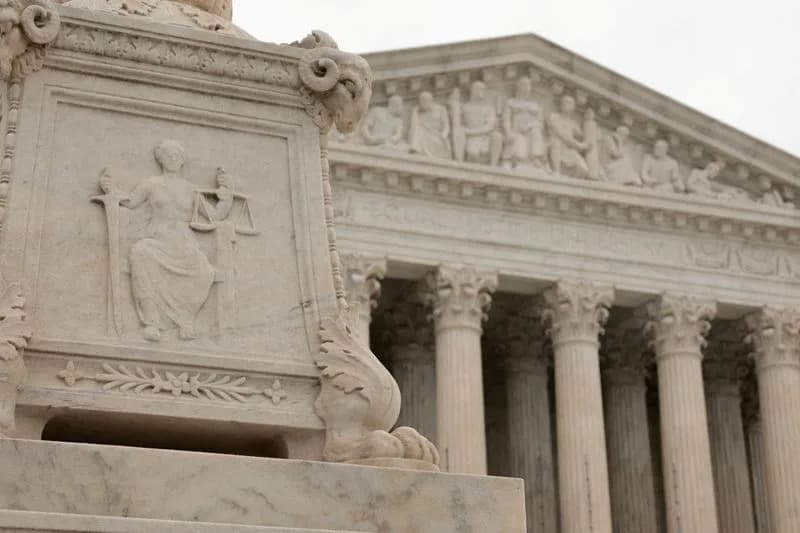
U.S. District Judge Iain D. Johnston issued an injunction against the statute, and the Trump Administration filed suit against the state over its effort to turn clergy into sacramental informants. After losing in court, the state retreated from enforcing the law.
Separately, the University of Washington moved to discipline a professor who declined to use the university’s prescribed land-acknowledgment wording. In 2022, Professor Stuart Reges refused to paste the university’s prewritten statement onto his course syllabus and instead provided an alternative that invoked the labor theory of property—an idea associated with John Locke.
University officials told Reges that, although the official land acknowledgment was characterized as optional, his alternative wording created a “toxic environment” and therefore was impermissible. This week the U.S. Court of Appeals for the Ninth Circuit allowed Reges’s lawsuit to proceed. Judge Daniel Bress wrote that student discomfort with a professor’s views may prompt discussion and disapproval, but it does not justify university retaliation against faculty.
Illinois: Abortion Messaging And Religious Conscience
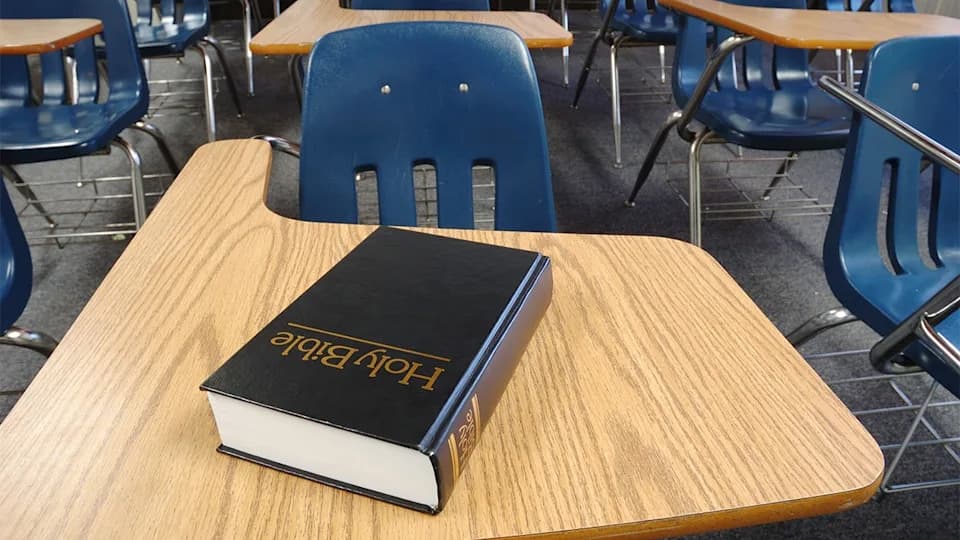
In Illinois, lawmakers and Governor J.B. Pritzker enacted a law requiring all health-care providers—including faith-based and pro-life pregnancy centers—to inform patients about the benefits of abortion, despite the providers’ religious objections. The Catholic Conference of Illinois and other religious groups engaged the Becket Fund to defend religious liberty in court. A federal district court struck down the mandate, but the state is appealing and appears intent on forcing providers to convey the law’s required messaging.
What This Means
These episodes illustrate an emerging tension between majoritarian policymaking and constitutional protections for free speech and religious exercise. Whether in higher education, pastoral confidentiality, or medical counseling, efforts to compel endorsement of specific views raise persistent free-speech and conscience concerns. Two and a half centuries after the founding, the Framers’ warnings about the dangers of majoritarian tyranny remain relevant: democratic systems can still produce pressures that threaten individual liberties.
About the Author
Jonathan Turley is the Shapiro Professor of Public Interest Law at George Washington University and the author of the forthcoming book Rage and the Republic: The Unfinished Story of the American Revolution.
Help us improve.