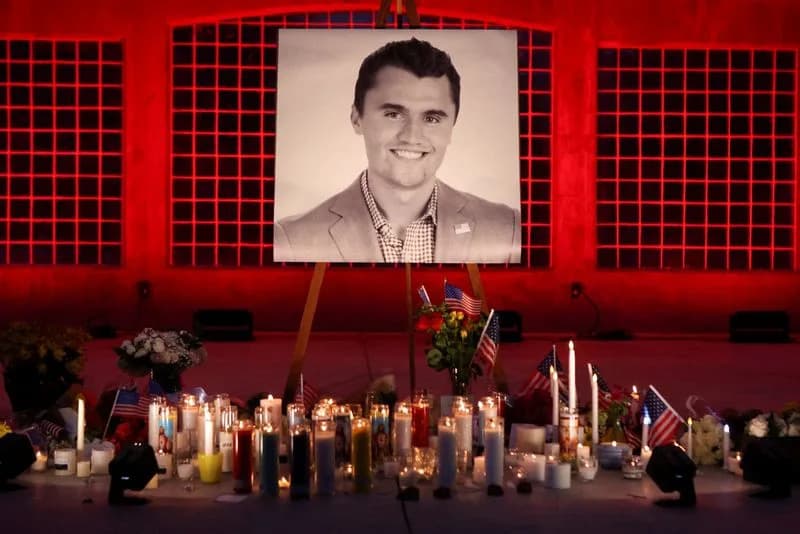
After Charlie Kirk’s assassination, dozens of professors faced suspension or dismissal for vulgar or celebratory social-media posts. Several tenured faculty — including at Austin Peay, the University of South Dakota and Florida Atlantic — have been reinstated or reached settlements after legal appeals or procedural reviews. These disputes have raised questions about university due process, tenure protections and the limits of faculty speech. The criminal case against the accused killer remains active.
After Charlie Kirk’s Assassination, Several Professors Reinstated After Social-Media Fallout
Professors were disciplined for vulgar posts after Charlie Kirk's assassination: Where are they now?
In the weeks after conservative activist Charlie Kirk was killed, dozens of university faculty members across the United States faced scrutiny for crude or celebratory social-media posts about his death. Many were suspended, placed on administrative leave, or fired. As the spring semester began, several tenured professors have been reinstated, some after legal challenges or settlements raised questions about due process and academic freedom.
Key Cases And Outcomes
Austin Peay State University (Tennessee) — Darren Michael, an associate professor of acting and directing, was fired on Sept. 12 after sharing a post that referenced a 2023 remark by Kirk about gun deaths. On Dec. 30 the university announced Michael’s reinstatement and acknowledged it had not followed its own procedures for terminating tenured faculty. Local reports say the school settled with Michael for $500,000.
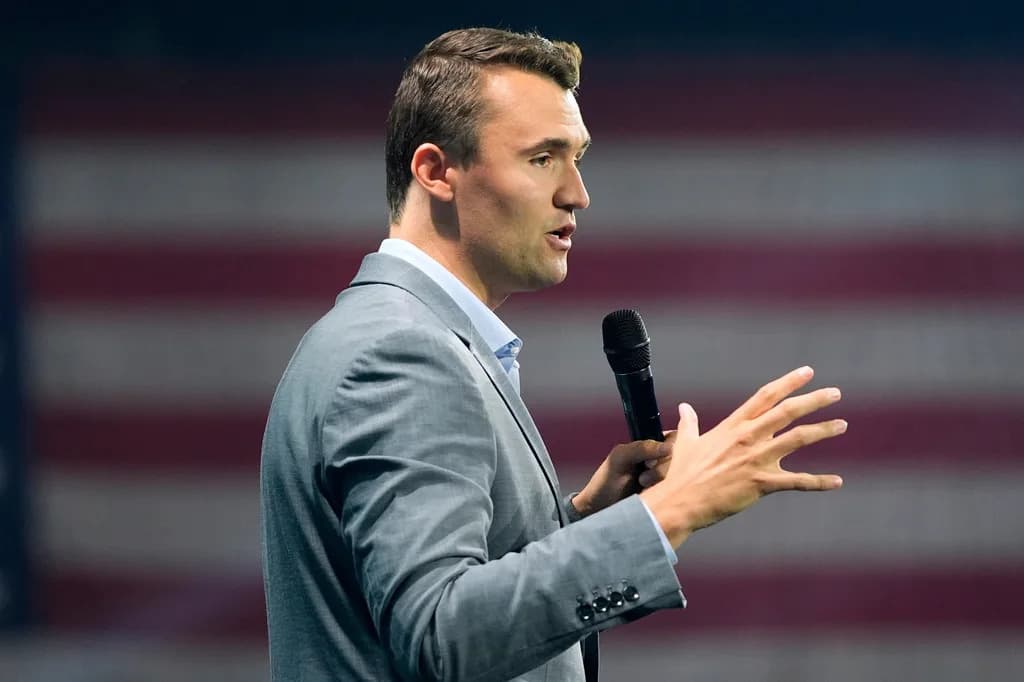
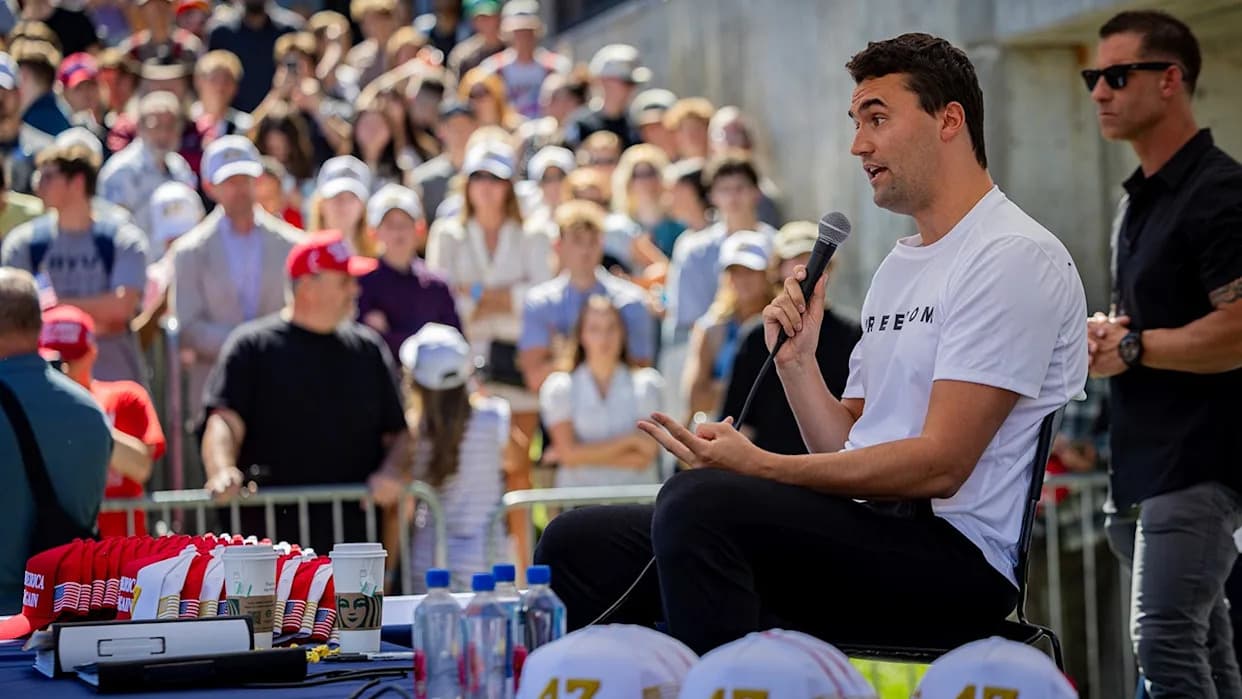
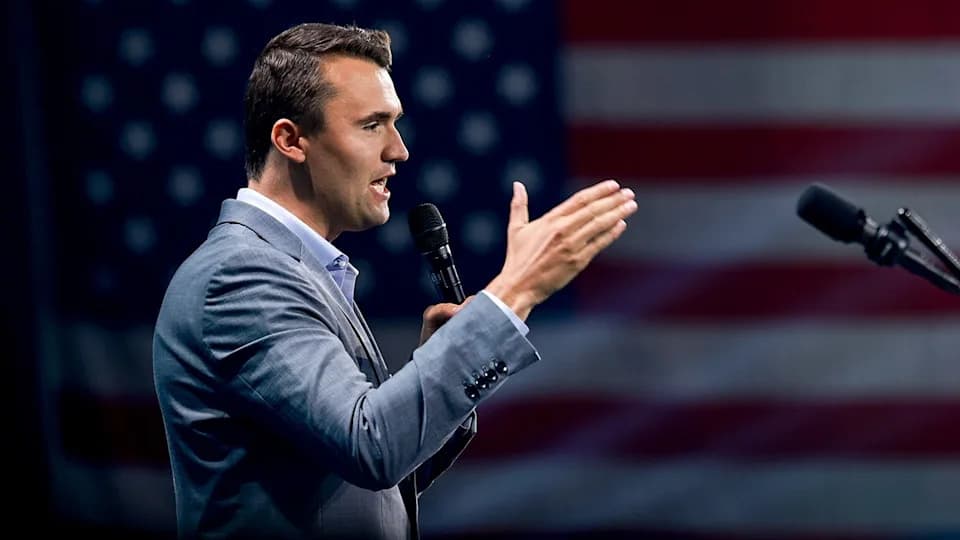
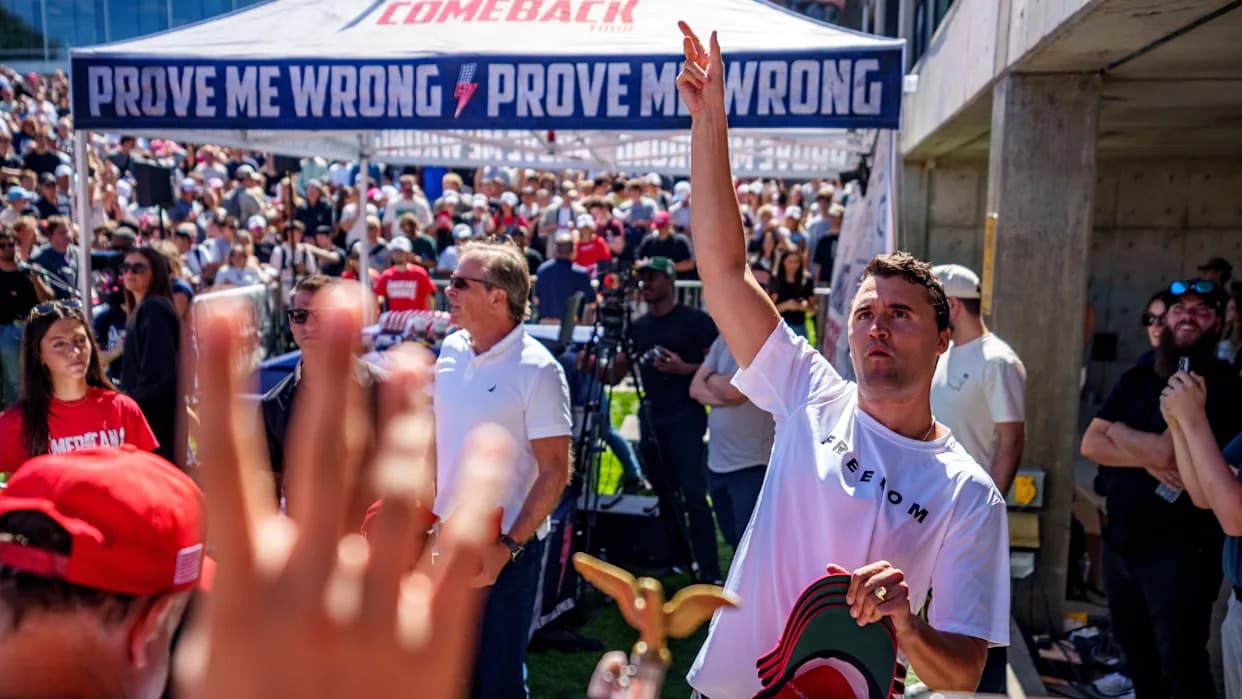
Charlie Kirk throws hats to the crowd after arriving at Utah Valley University on Sept. 10, 2025, in Orem, Utah.(Getty Images)
University Of South Dakota — Art professor Michael Hook posted strongly worded criticisms of Kirk hours after the killing. A federal judge granted a temporary reinstatement on Sept. 26, finding Hook had a reasonable chance of prevailing in court. Shortly afterward, the South Dakota Board of Regents agreed not to fire him and Hook dropped his lawsuit, according to The Argus Leader.
Florida Atlantic University — Three faculty members were placed on administrative leave over social-media posts tied to the killing. Tenured finance professor Rebel Cole posted messages that some students found threatening or intimidating; tenured professor Karen Leader reposted material labeling Kirk as "racist" and "transphobic." Both tenured professors were reinstated for the spring term. A non-tenured instructor, Kate Polak, remained on leave as of early January, the South Florida Sun Sentinel reported.
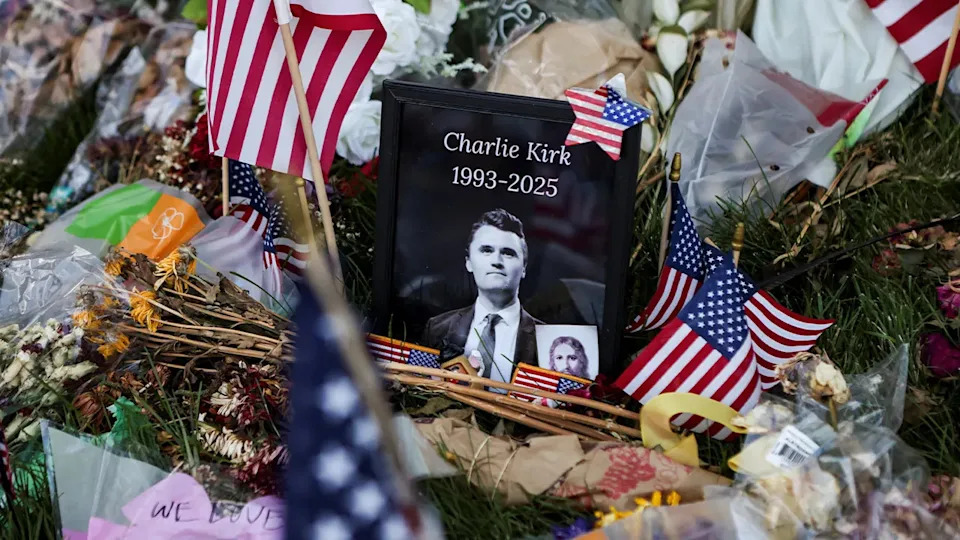
An image of slain conservative commentator Charlie Kirk is placed at a memorial in his honor, at Utah Valley University in Orem, Utah.
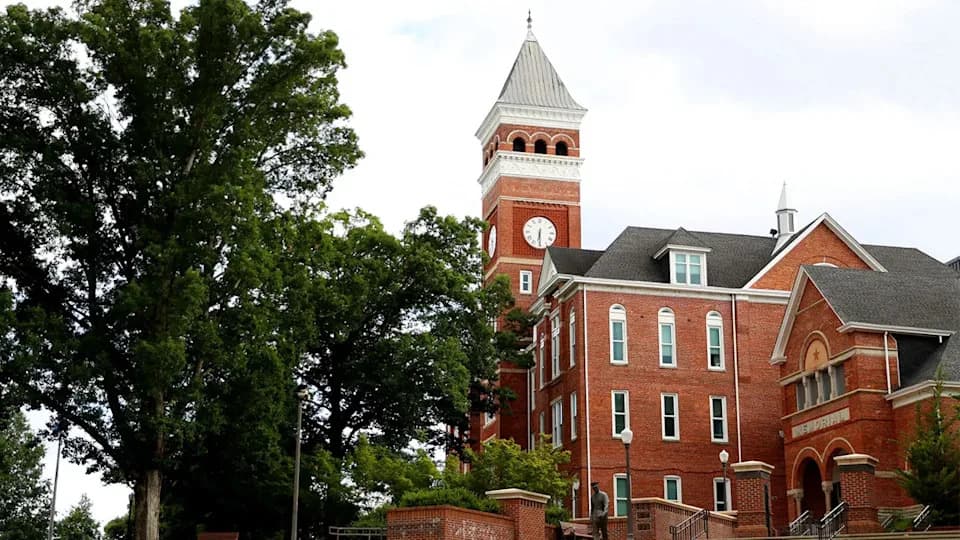
Clemson University — Joshua Bregy, an associate professor in environmental engineering and earth sciences, was fired on Sept. 26 after reposting a Facebook comment that suggested "karma" in connection with Kirk’s death while also saying he did not advocate violence. Bregy sued, and Clemson later rescinded his termination. Under reported terms, he will remain on payroll through May 15 and is expected to resign before that date.
Montana State University–Northern — Samantha Balemba-Brownlee was suspended after Facebook posts described Kirk in strong terms and said she did not mourn him. The university took disciplinary action amid campus concern.
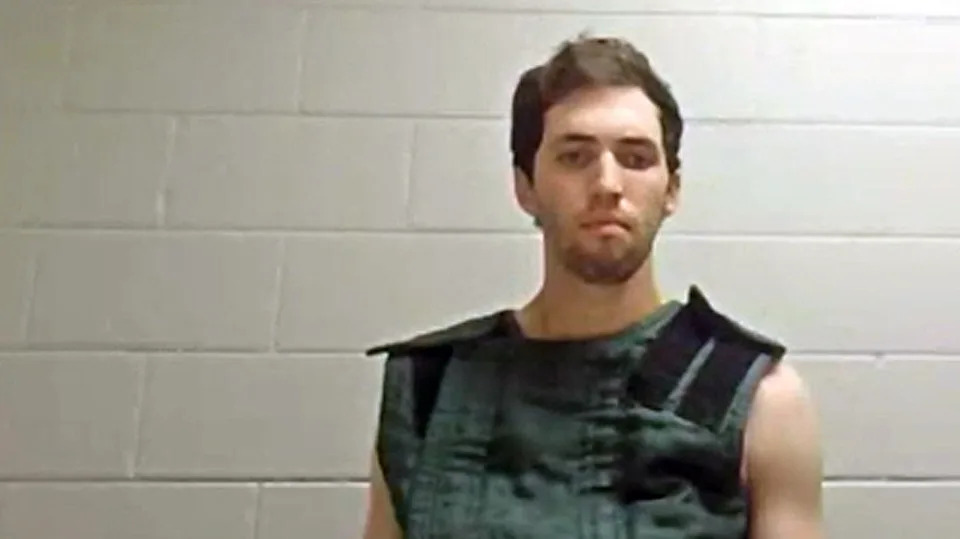
Tyler Robinson appears virtually in Utah court on Sept. 16, 2025, to face charges in the assassination of Charlie Kirk.
Syracuse University — Geography professor Farhana Sultana was briefly suspended after posting anti-Kirk remarks on the social platform Bluesky. She has since returned to teaching, according to local reports.
Legal And Institutional Issues
Several of the reinstatements and reversed terminations followed legal action or review of institutional procedures. Tenure protections and due process concerns figured prominently in lawsuits and administrative decisions. Courts and governing boards in multiple states evaluated whether universities followed their own policies when disciplining faculty and whether speech protections apply.
The criminal case against the man accused of killing Kirk is ongoing. Defense attorneys recently moved to disqualify the prosecution team, part of continuing litigation tied to the homicide investigation.
Why This Matters
The disputes highlight tensions between accountability for public statements about violence and protections for faculty speech, especially at public universities with tenure systems. They also illustrate how institutions balance campus safety, community standards, and constitutional questions when employees make inflammatory remarks on social media.
Help us improve.