The Pew Research Center finds President Trump’s approval at 37%, down from 40%, with just 27% supporting most or all of his agenda. Half of Americans say the administration has performed worse than expected (50%) versus 21% who say it performed better. Republican backing has eroded—GOP approval dropped 11 points and the share of Republicans who say he acts ethically fell to 42%—weakening his leverage with Congress and on the international stage.
Polls Show Trump Support Slipping — Eroding GOP Backing Threatens His Influence
Donald Trump has a long history of reacting strongly to unfavorable polls, and recent survey data have prompted an especially intense response. In early January he dismissed negative results by announcing an inflated approval figure, and later threatened legal action against pollsters and The New York Times while denouncing polling as a "scam."
The latest national survey from the Pew Research Center puts Trump’s approval rating at 37%, down from 40% in the fall. By more than two-to-one, Americans say the administration’s actions have been worse than expected (50%) rather than better (21%). Only 27% of respondents now say they support most or all of Trump’s policies, a drop from 35% when he returned to office last year.
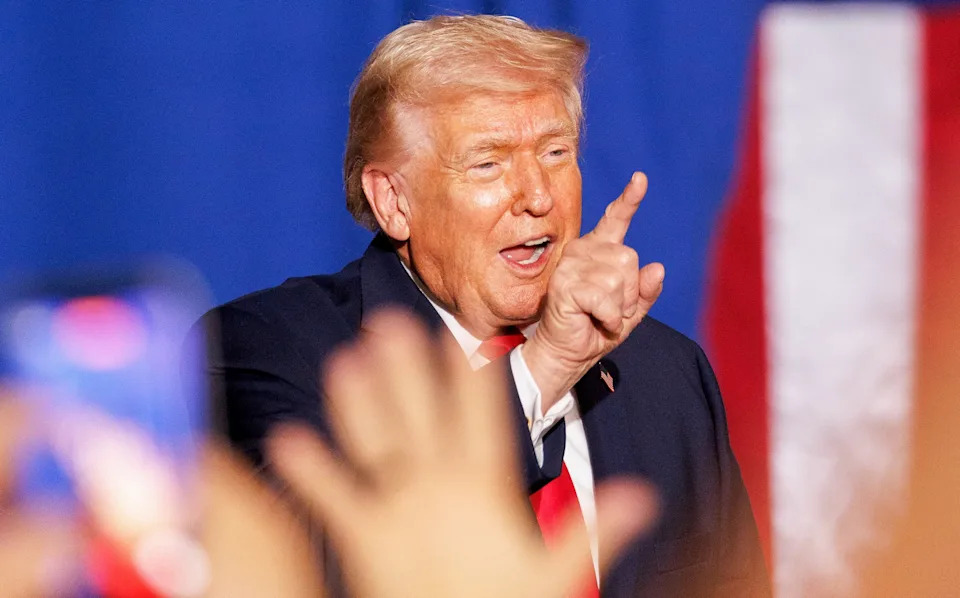
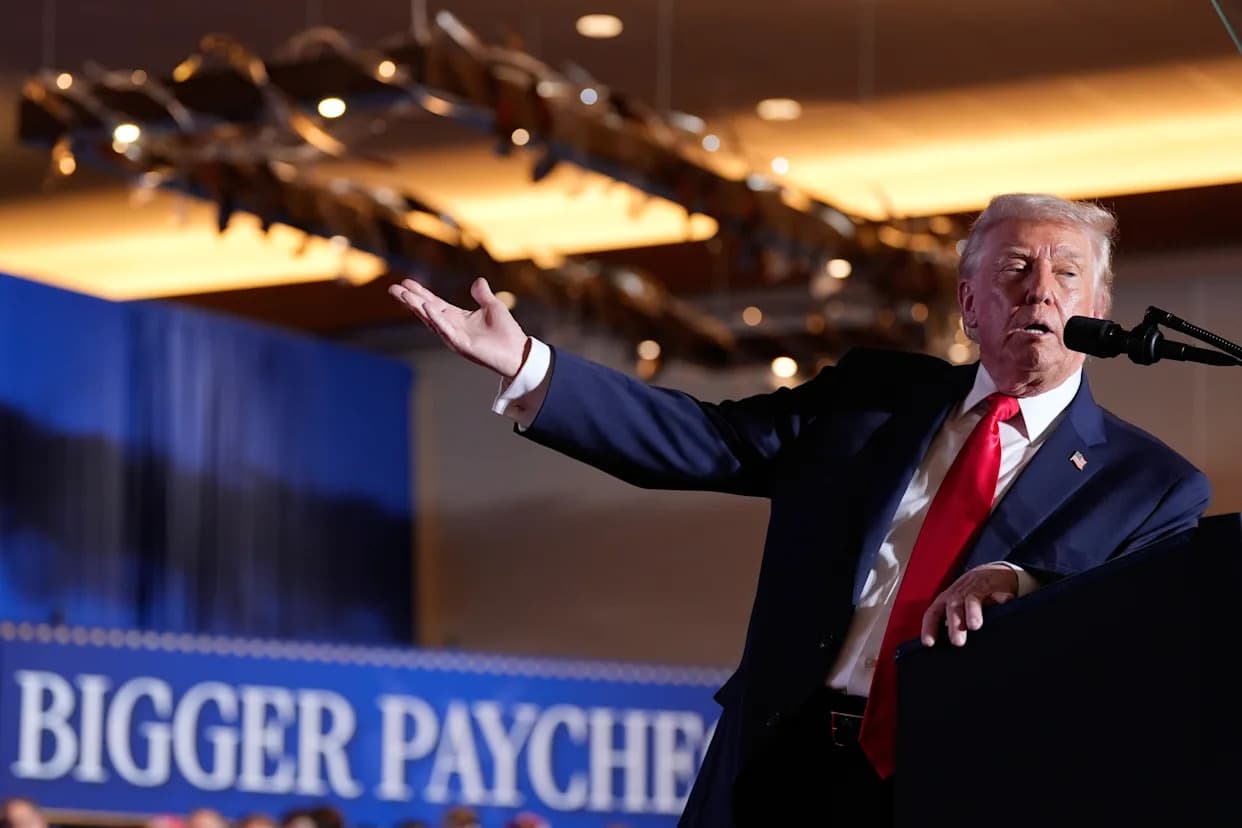
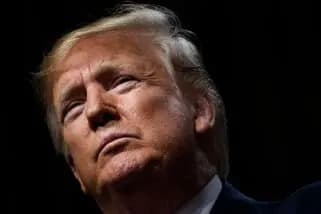
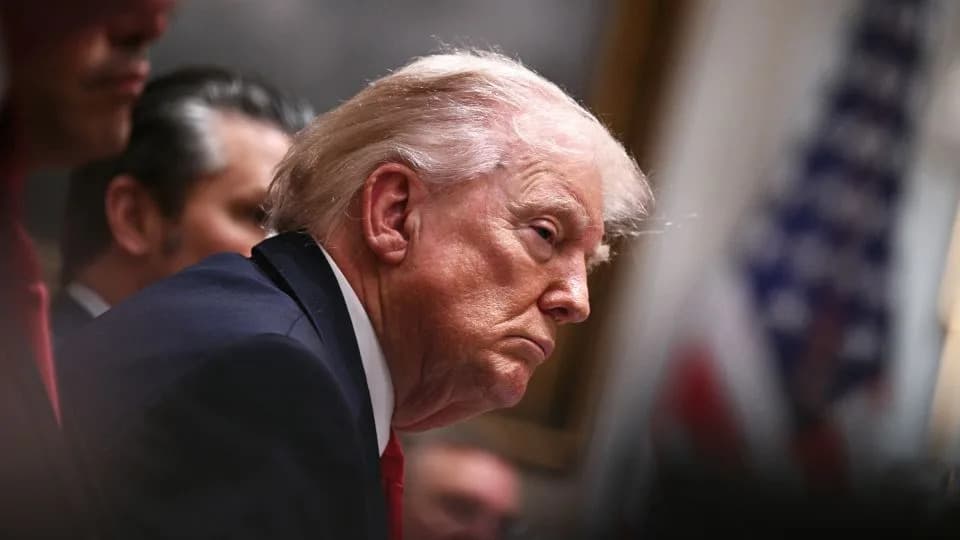
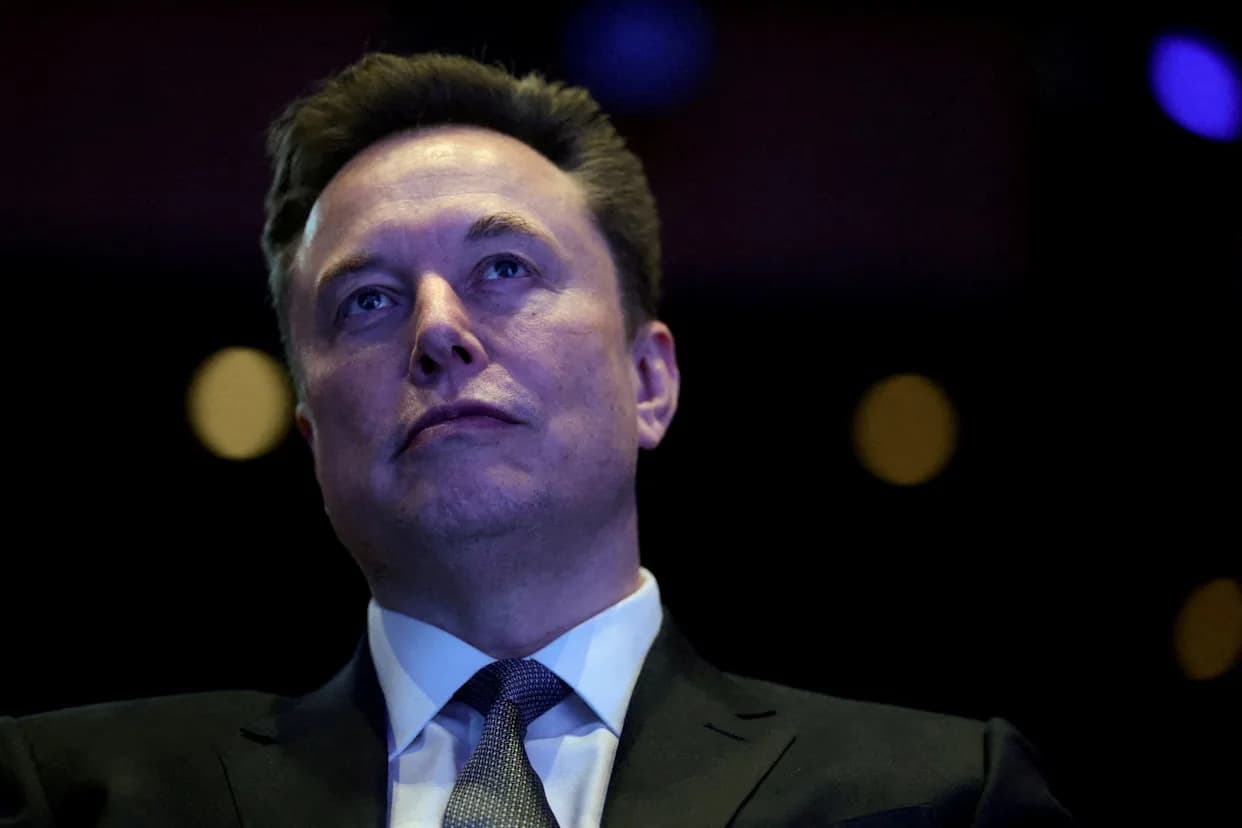
President Donald Trump on Jan. 27, 2026 in Clive, IA.(Scott Morgan / Bloomberg via Getty Images)
Of particular concern for the White House is the decline in Republican support. Approval among GOP voters fell by 11 percentage points over the past year, and support for the administration’s agenda among Republicans declined by a similar margin. Several specific perceptions among Republicans also deteriorated: the share who say Trump "respects the country’s democratic values" fell by 8 points; those who say he "has the mental fitness to do the job" fell by 9 points; and those who say he "acts ethically in office" dropped 13 points, leaving just 42% of GOP voters saying he acts ethically.
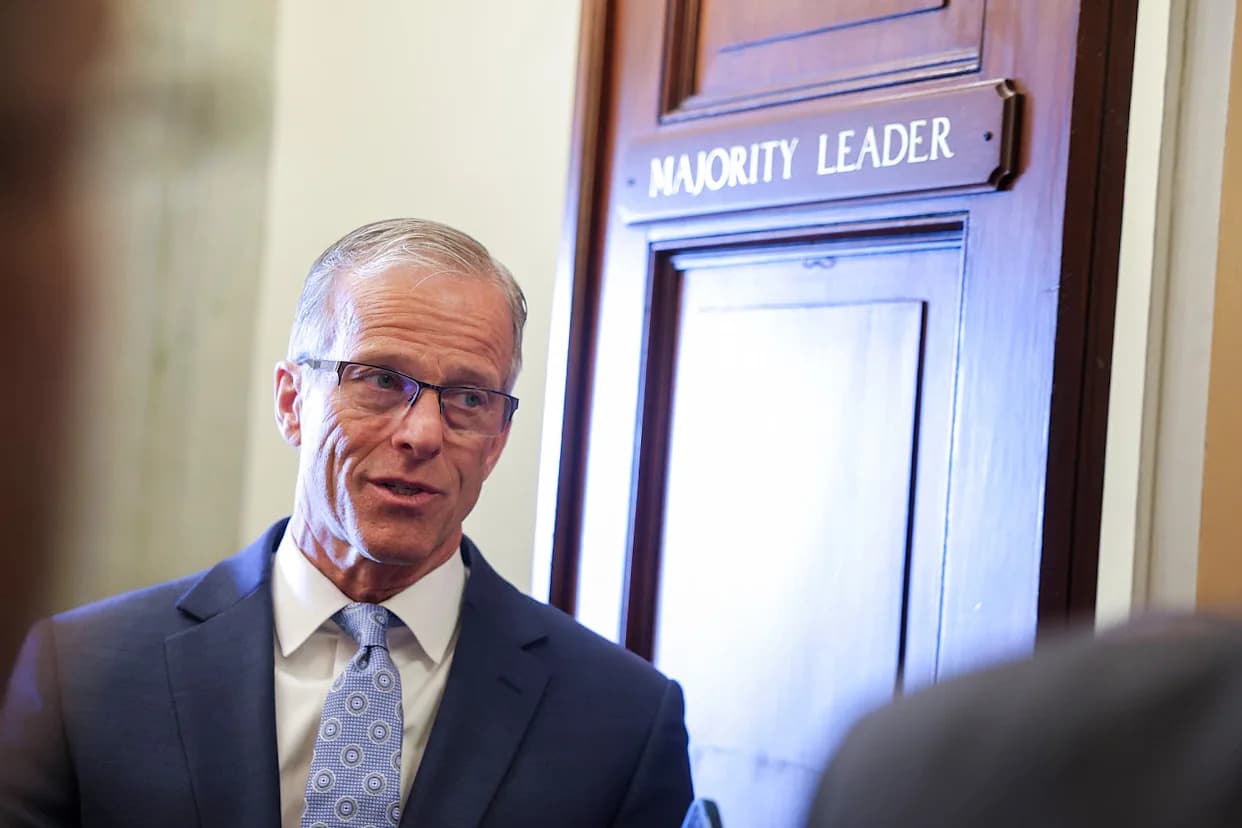
These shifts matter beyond poll headlines. Presidents who command stronger domestic support generally have more leverage with Congress and on the international stage; slipping popularity narrows a leader’s political room for maneuver and can encourage lawmakers to distance themselves. Because members of Congress must worry about re-election, growing public and intra-party dissatisfaction makes it harder for the White House to advance its agenda.
Trump’s combative responses to negative polling—from inflated self-reported approval numbers to threats against pollsters—can be read as attempts to blunt the political impact of these trends. But as more voters and a notable share of Republicans express doubts, the president’s ability to persuade domestic and foreign audiences is likely to be constrained.
Update: This article synthesizes findings from the Pew Research Center survey and recent New York Times polling averages and updates earlier coverage.
Help us improve.