Key point: The South Atlantic Anomaly (SAA) is a genuine region where Earth’s magnetic field is weaker — about 60% of typical strength — and has expanded since around 2014. While that expansion is significant for satellites and spacecraft in low-Earth orbit (which face increased radiation-induced glitches), experts say there is no immediate danger to people on Earth’s surface. The SAA stems from processes in Earth’s core and is distinct from short-term solar geomagnetic storms; agencies worldwide monitor it with satellites and models to protect space operations.
Earth’s Magnetic 'Weak Spot' Explained: What the South Atlantic Anomaly Is — And Why You Don’t Need To Panic

You may have seen headlines about a weakening of Earth’s magnetic field over the South Atlantic. The story is real — but the implications are more technical than terrifying. We spoke with Manoj Nair, a senior research scientist at CIRES (University of Colorado) and NOAA affiliate, to explain what’s happening and why it matters mostly to satellites, not everyday life on the surface.
What Is the South Atlantic Anomaly?
The South Atlantic Anomaly (SAA) is a region over parts of South America and the South Atlantic Ocean where Earth’s magnetic field is noticeably weaker than elsewhere. Researchers estimate its strength at roughly 60% of typical values for comparable regions. Using about 11 years of observations from the European Space Agency’s Swarm satellite constellation, scientists have found that since roughly 2014 the anomaly has expanded — by an area nearly half the size of continental Europe.
Why Is This Happening?
The SAA arises from complex, slow-moving processes deep in Earth’s outer core, where molten iron and other materials generate the planet’s magnetic field. These core dynamics cause the field to shift, wobble and change intensity over decades to millennia. As Nair notes, such fluctuations are well within the range recorded in geological history.
Does It Endanger People On Earth?
"On the surface of the Earth, there is no danger right now,"
— Manoj Nair, CIRES/NOAA
This reassurance reflects two facts: the atmosphere and the broader magnetic field together block most harmful high-energy particles, and the SAA is a regional weakness in a field that still provides global protection. In short, the SAA is a space-operations concern, not an immediate public-safety emergency on land.
Who Is Affected — And How?
Satellites and spacecraft in low-Earth orbit (LEO) frequently pass through the SAA. There, the weaker magnetic shielding allows a higher flux of energetic charged particles to reach spacecraft, increasing the risk of electronic glitches, data corruption, and, over time, hardware damage. Operators already take precautions: for example, the Hubble Space Telescope temporarily suspends sensitive observations while crossing the anomaly.
Not The Same As A Solar Storm
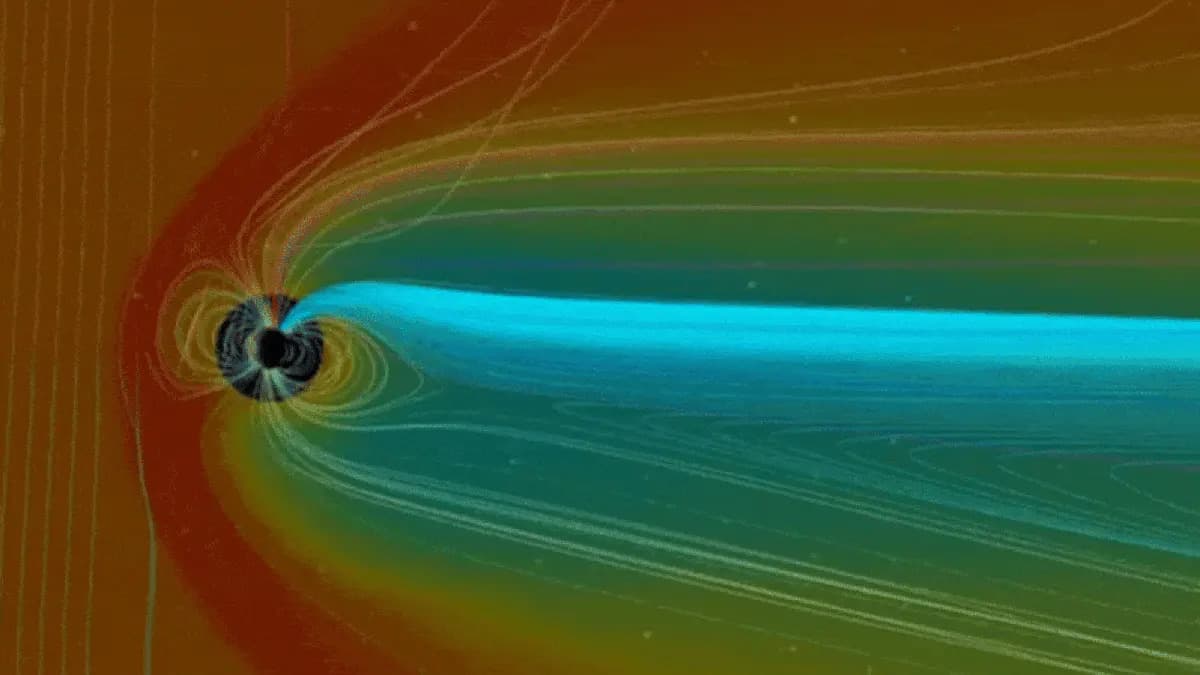
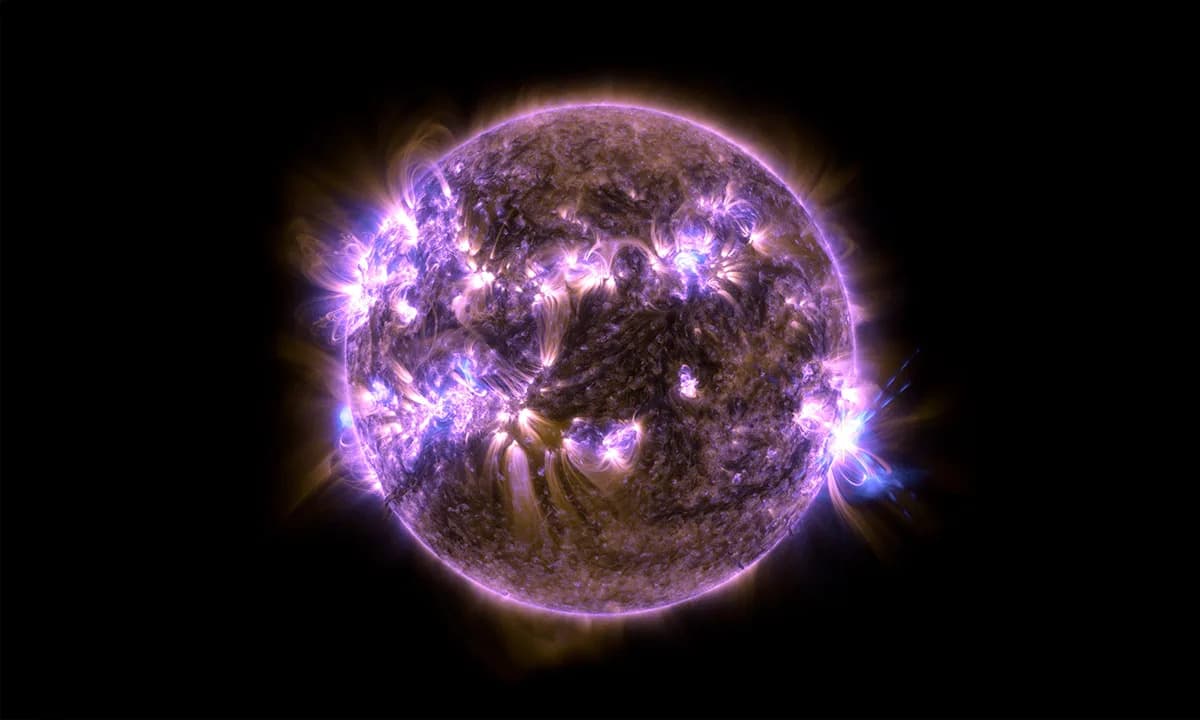
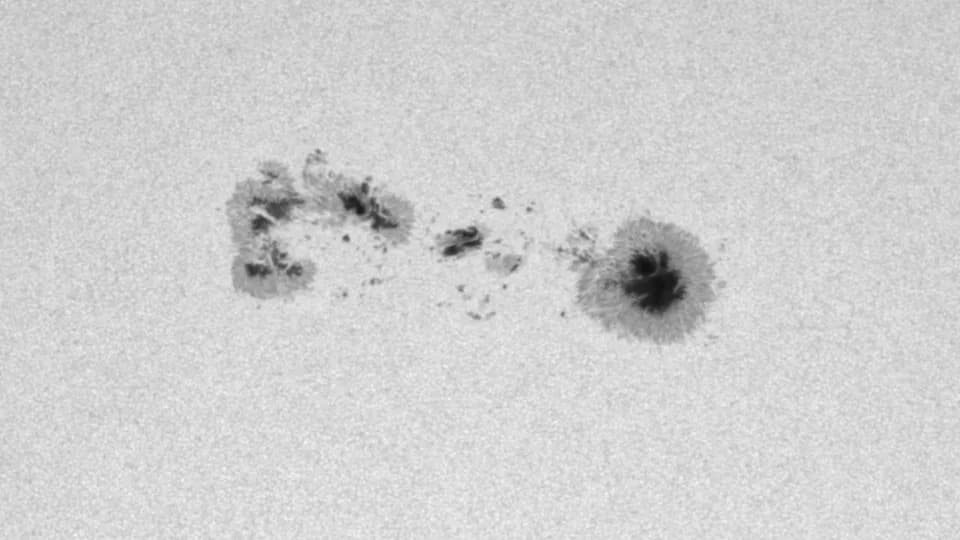
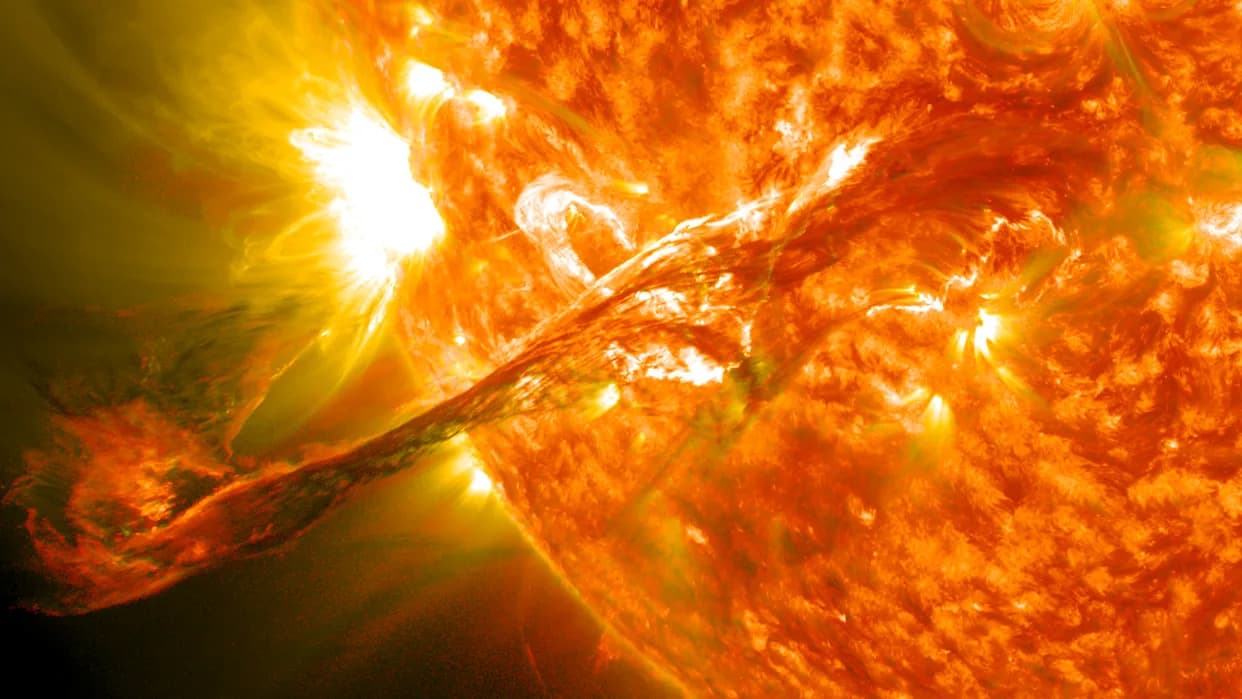
People often confuse the SAA with geomagnetic storms produced by the Sun. Solar storms are external events — eruptions from the Sun that slam into Earth’s magnetic field and can produce rapid, temporary disruptions (and spectacular auroras). The SAA, by contrast, is rooted in Earth’s interior and changes slowly.
Monitoring And Response
Agencies including ESA, NOAA, and research groups at universities use satellite missions (like Swarm) and models such as the World Magnetic Model to track these changes. These observations help keep navigation systems accurate and inform satellite design and operations so spacecraft can be hardened or scheduled to reduce risk when passing through the anomaly.
Bottom Line
The South Atlantic Anomaly is a real, measurable feature of Earth’s magnetic field that has grown in recent years and matters for space-based technology. For people on the ground, however, it is not an immediate hazard — more a topic for scientific monitoring and engineering adaptations in orbit.
Help us improve.