CRBC News
Conflict

EU Weighs Sweeping New Sanctions To Cripple Russia’s War Funding As Conflict Nears Fifth Year

EU Weighs Sweeping New Sanctions To Cripple Russia’s War Funding As Conflict Nears Fifth Year
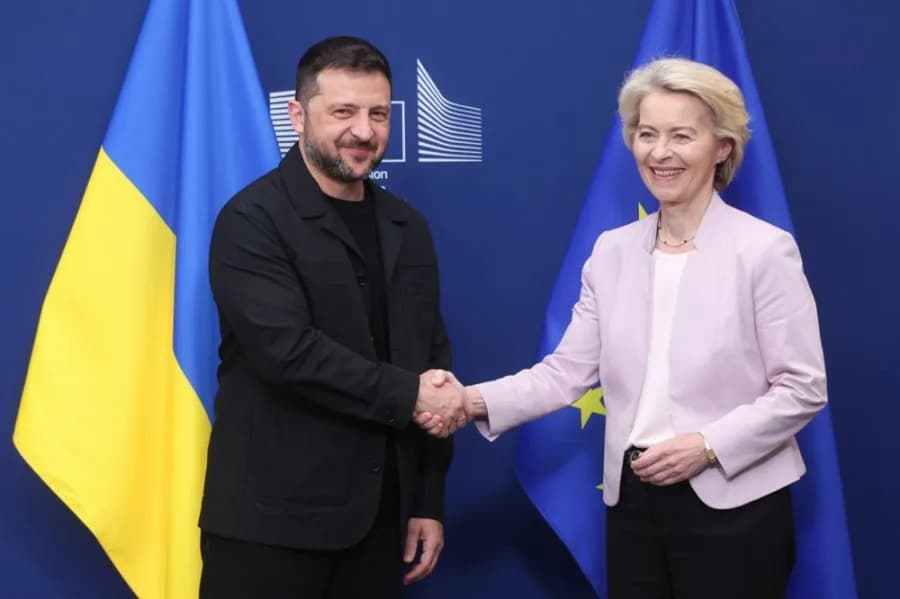
European Commission President Ursula von der Leyen (R) on Friday commended Ukrainian President Volodymyr Zelensky and Ukrainian forces for their defense against Russia as the European Commission mulls new sanctions to force Russia to end its war on Ukraine. File Photo by Olivier Hoslet/EPA

The European Commission is preparing a new package of energy, financial services and trade sanctions intended to reduce Russia’s capacity to fund its war in Ukraine as the conflict nears five years.

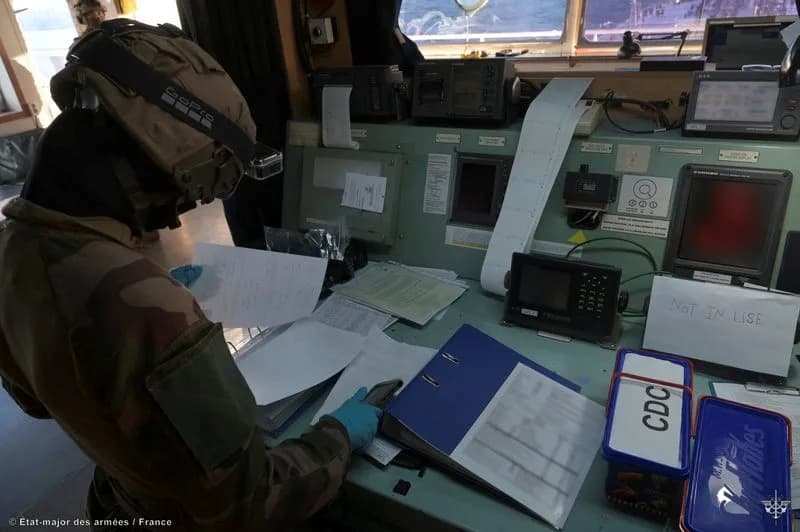
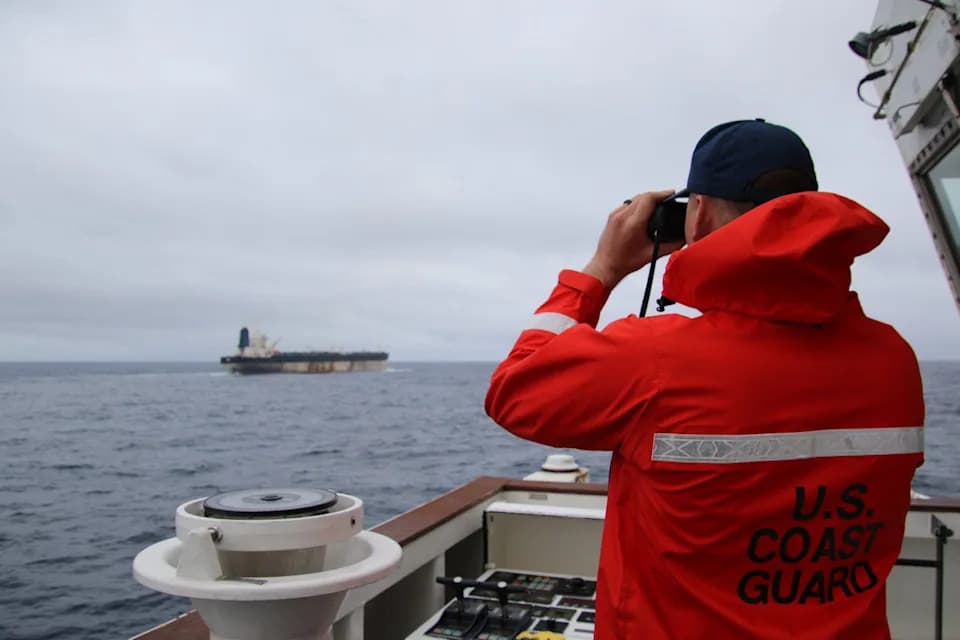
Measures under consideration include a broad ban on EU services for vessels carrying Russian crude (shipping, port access and insurance), restrictions on maintenance for icebreakers and LNG tankers, and the addition of 42 tankers to the sanctioned 'shadow fleet.'

Brussels also proposes curbs on imports of selected minerals, chemicals and metals and a quota on ammonia, while officials say the goal is to press the Kremlin toward genuine negotiations by constricting war funding.
European Commission officials on Friday said they are preparing a fresh package of energy, financial services and trade sanctions against Russia as the war in Ukraine approaches its fifth year. The proposed measures are designed to choke off revenues that finance Moscow’s military operations and to increase pressure on the Kremlin to enter genuine peace negotiations.

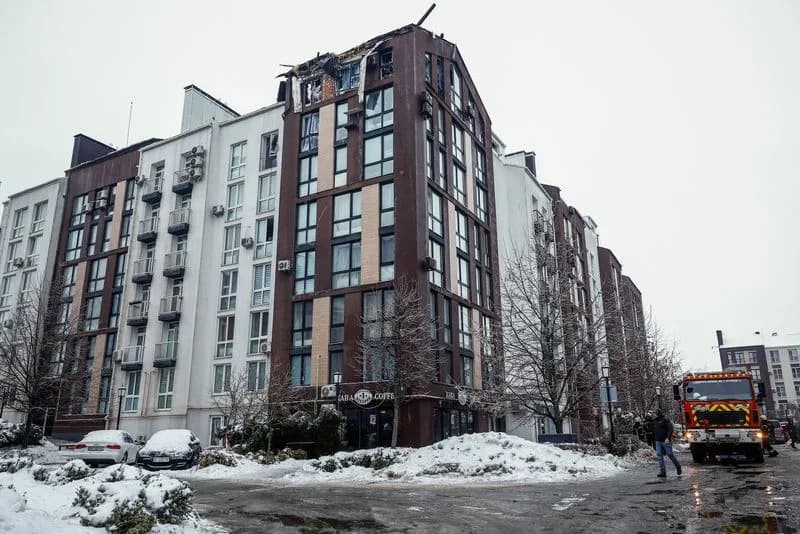
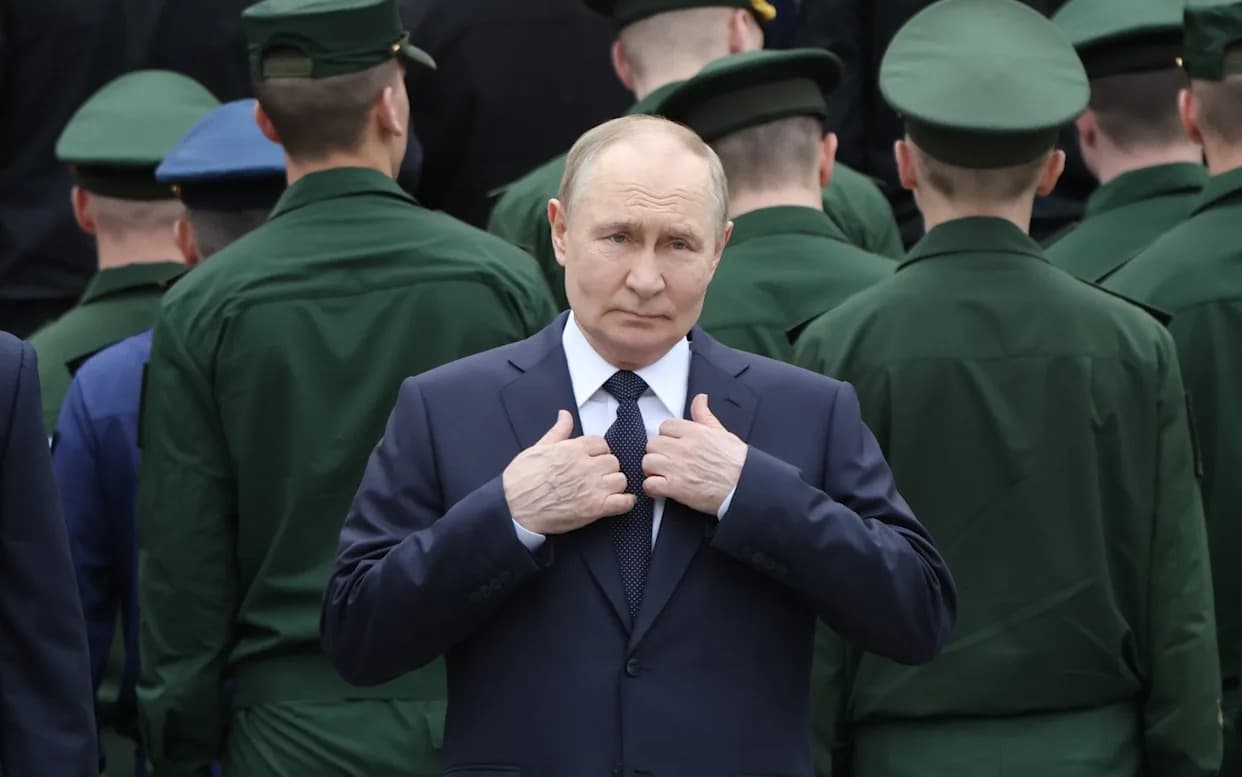
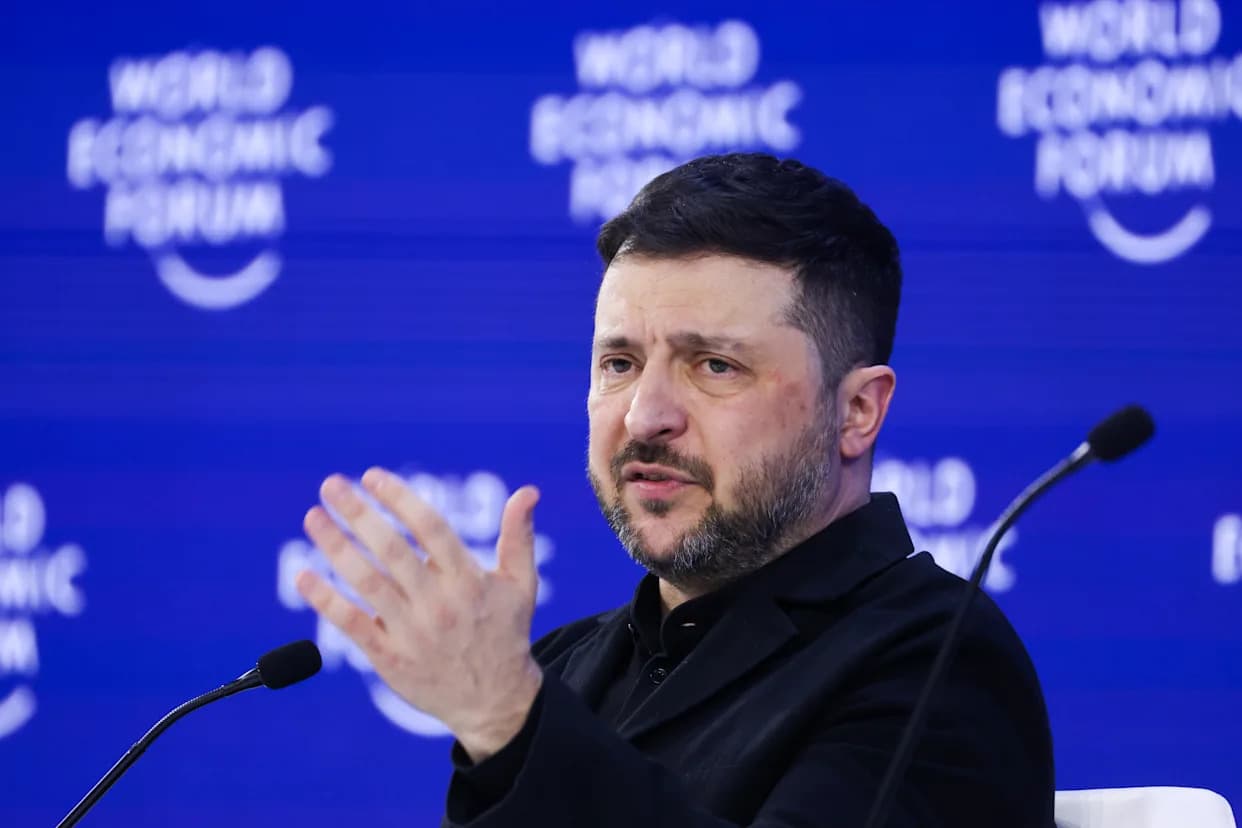
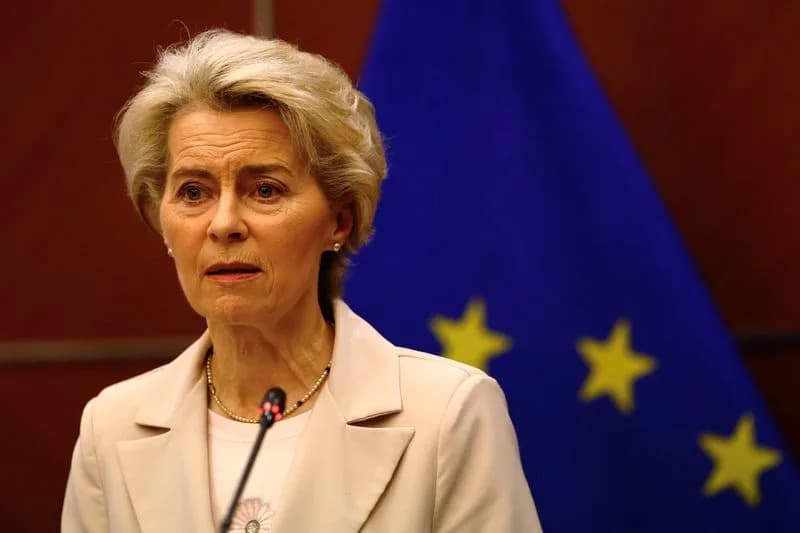
Commission President Ursula von der Leyen: The Kremlin is doubling down on war crimes by deliberately striking homes and civilian infrastructure. Russia will only come to the table with genuine intent if it is pressured to do so.

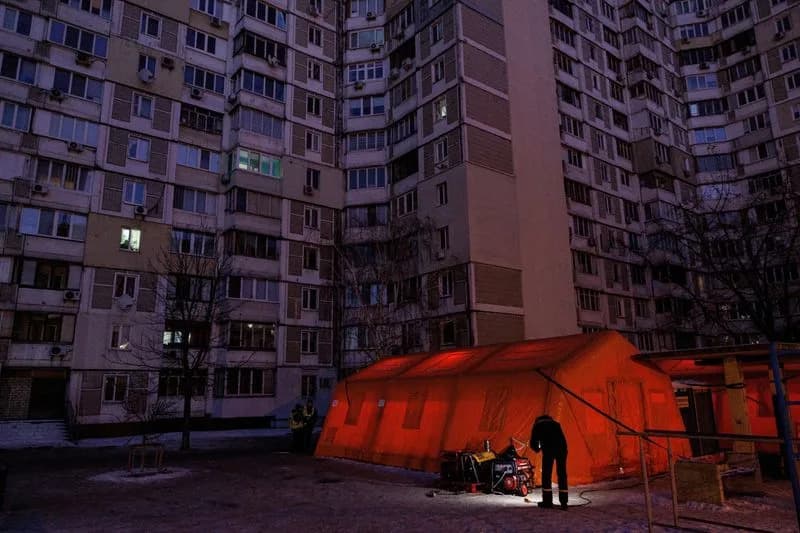
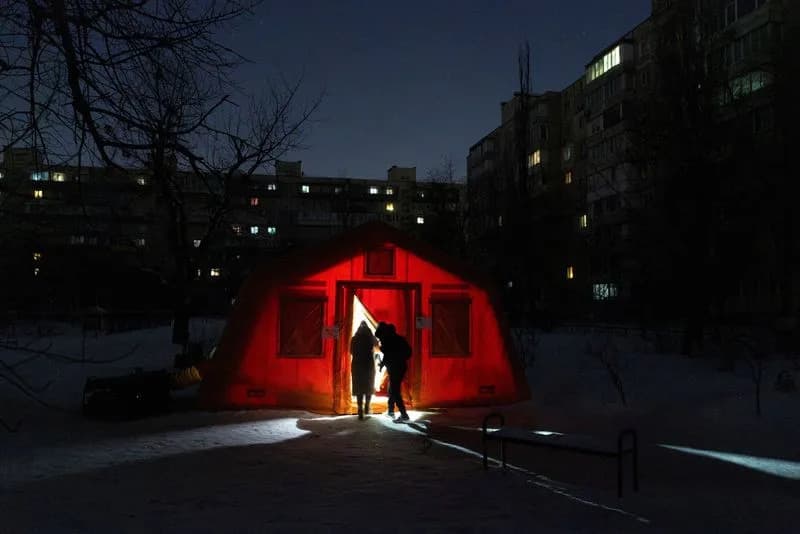
Von der Leyen said Russia has seized roughly 0.8% of Ukrainian territory since its Feb. 24, 2022 invasion and argued the Russian military has suffered one of the highest casualty rates of any armed force since World War II. She also warned that deliberate attacks on energy facilities and heating systems have left many communities without power in winter months.

Key Proposed Measures

  • Broad Ban on Services for Russian Oil Vessels: The Commission proposes a widescale prohibition on EU-based companies providing services to vessels carrying Russian crude oil, including shipping operations, port access and insurance cover. This would expand an existing, narrower EU rule that currently applies only to tankers selling crude above $44.10 per barrel.
  • Price-Cap Context: For comparison, the United States enforces a similar restriction but uses a higher price threshold of $60 per barrel for Russian crude.
  • Maintenance Restrictions: New limits would target maintenance and technical services for Russian icebreakers and tankers transporting liquefied natural gas (LNG).
  • Sanctioned Fleet Expansion: An additional 42 tankers would be added to the growing roster of sanctioned Russian vessels often described as the 'shadow fleet'—ships used to conceal or reroute sanctioned cargoes—bringing the total to about 640 if adopted.
  • Trade Curbs: The package would curb imports of selected minerals, chemicals and metals and would introduce a quota on ammonia, an essential fertilizer input. Proposed restrictions also include tractors, rubber goods and certain cybersecurity services.

Context And Potential Impact

The measures are aimed at constricting revenue streams that support Russia’s military campaign and at making it harder for Moscow to circumvent existing restrictions. Targeting services (like insurance, port access and vessel maintenance) is intended to raise the operational and financial costs of trading Russian energy and commodities, and to limit the ability of sanctioned ships to operate freely.

EU governments previously agreed to phase out Russian natural gas imports by the end of 2026; the new proposals would complement that strategy by tightening services and technical support for vessels carrying Russian hydrocarbons.

Any final package must be negotiated and agreed by EU member states. If adopted, the proposals would intensify economic pressure on Moscow while aiming to limit harm to allied energy security and global commodity markets.

Help us improve.

Related Articles

Trending