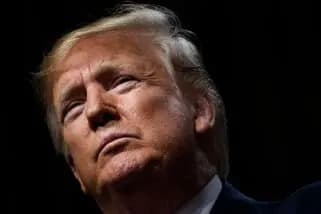
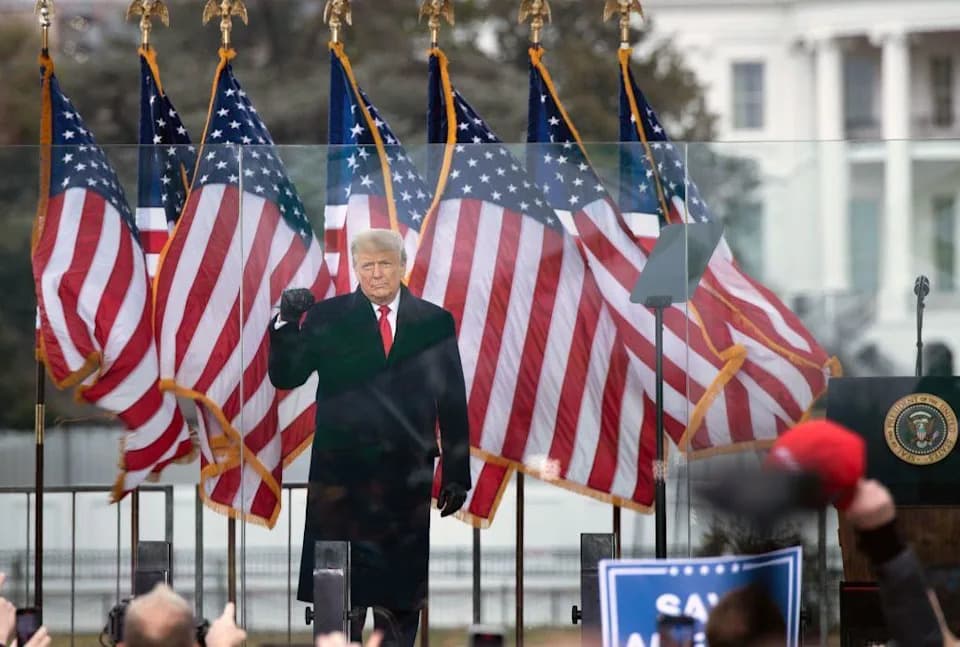
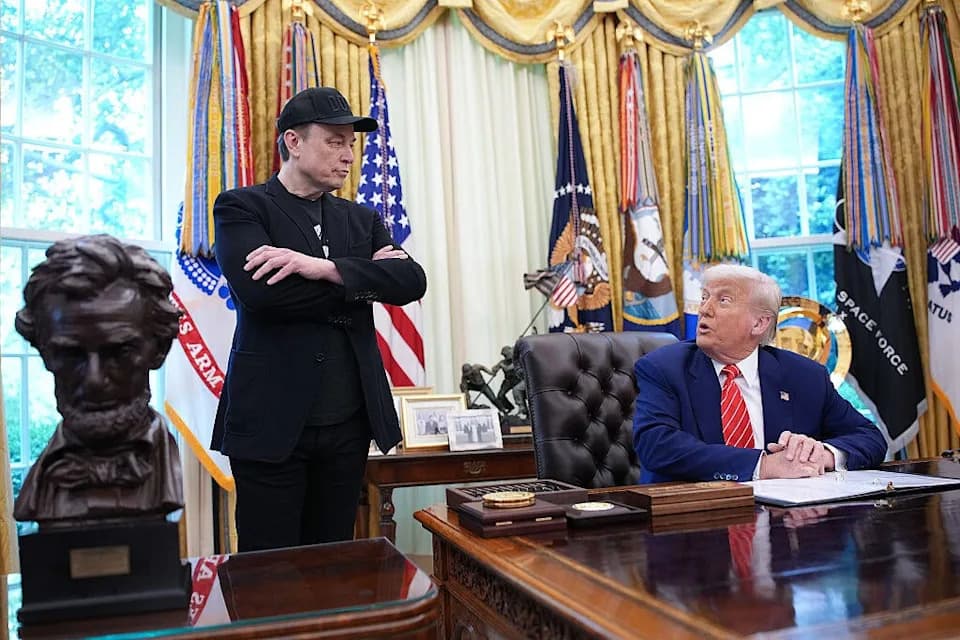
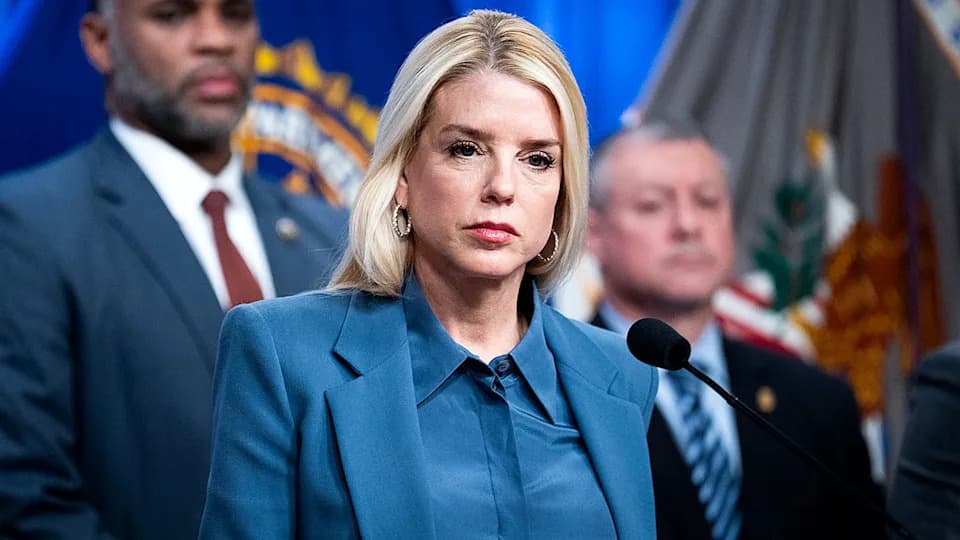
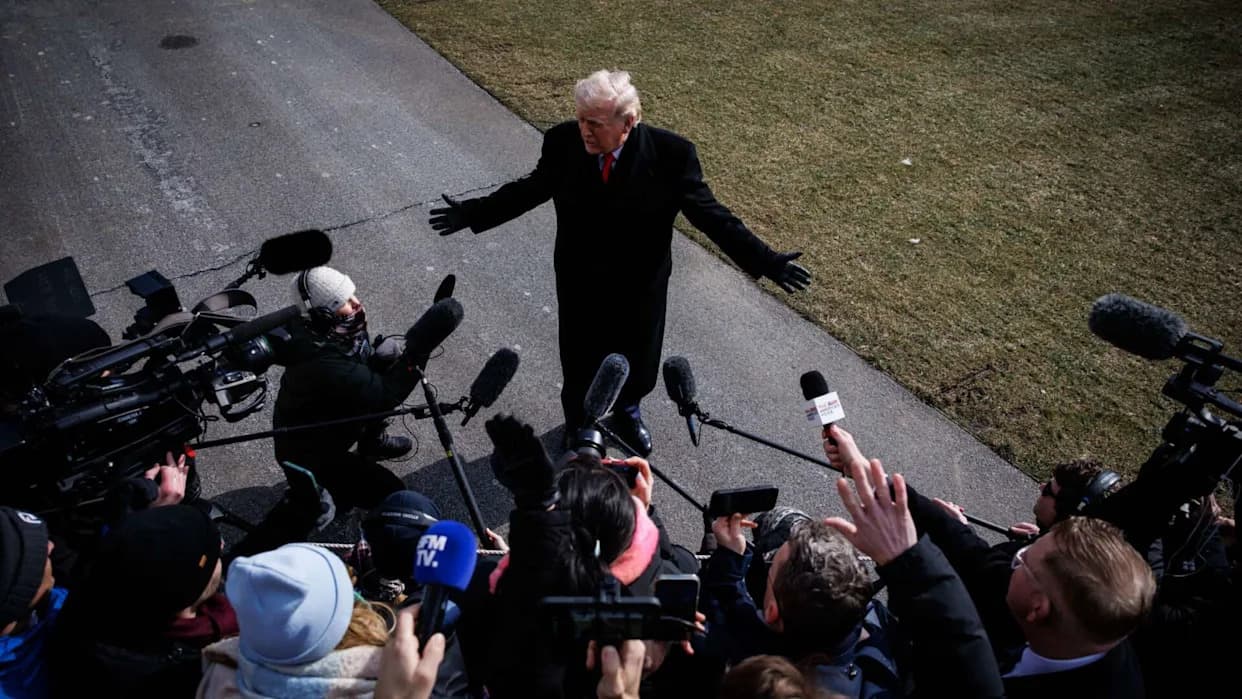
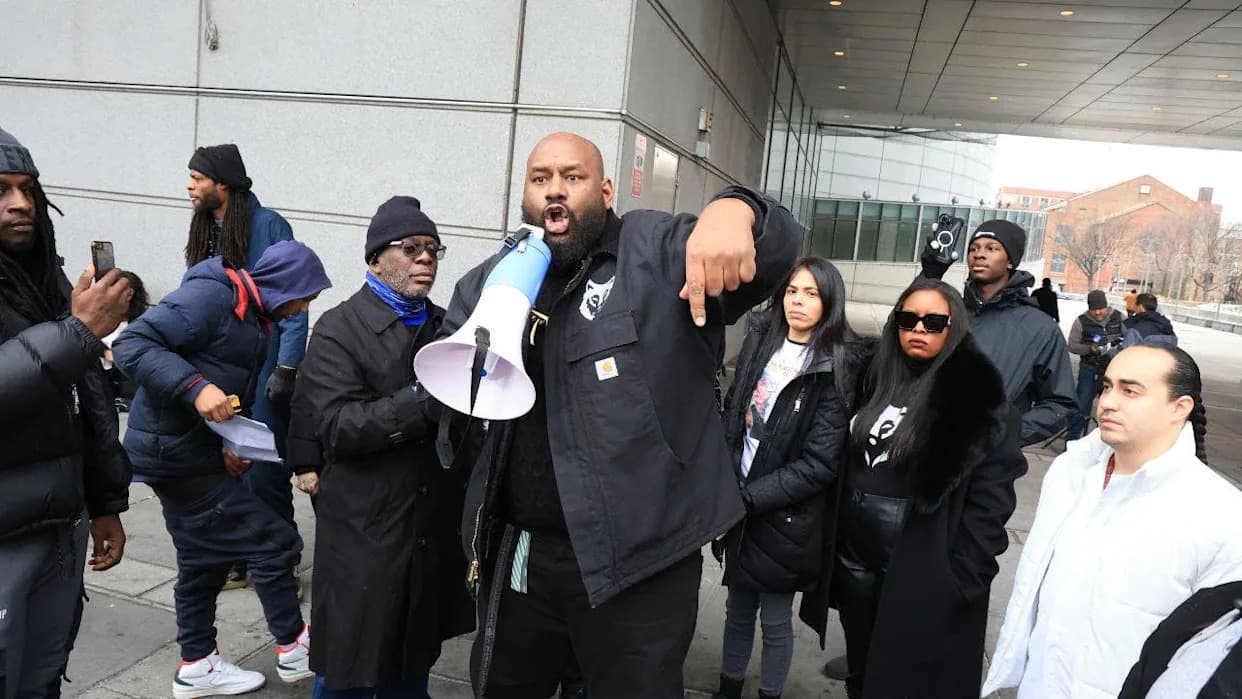
Within weeks of returning to the White House, President Trump claimed he had "brought free speech back to America," yet his administration has repeatedly tested First Amendment boundaries. Using executive orders, lawsuits and Truth Social posts, it has targeted protesters, media outlets, universities and public figures. Recent high-profile moves include a defamation suit against the BBC and remarks by the FCC chair that raised questions about agency independence. Civil-liberties experts warn these tactics could chill free expression by making speech costly to exercise.
Trump Tests the First Amendment: Chronology of Controversial Moves

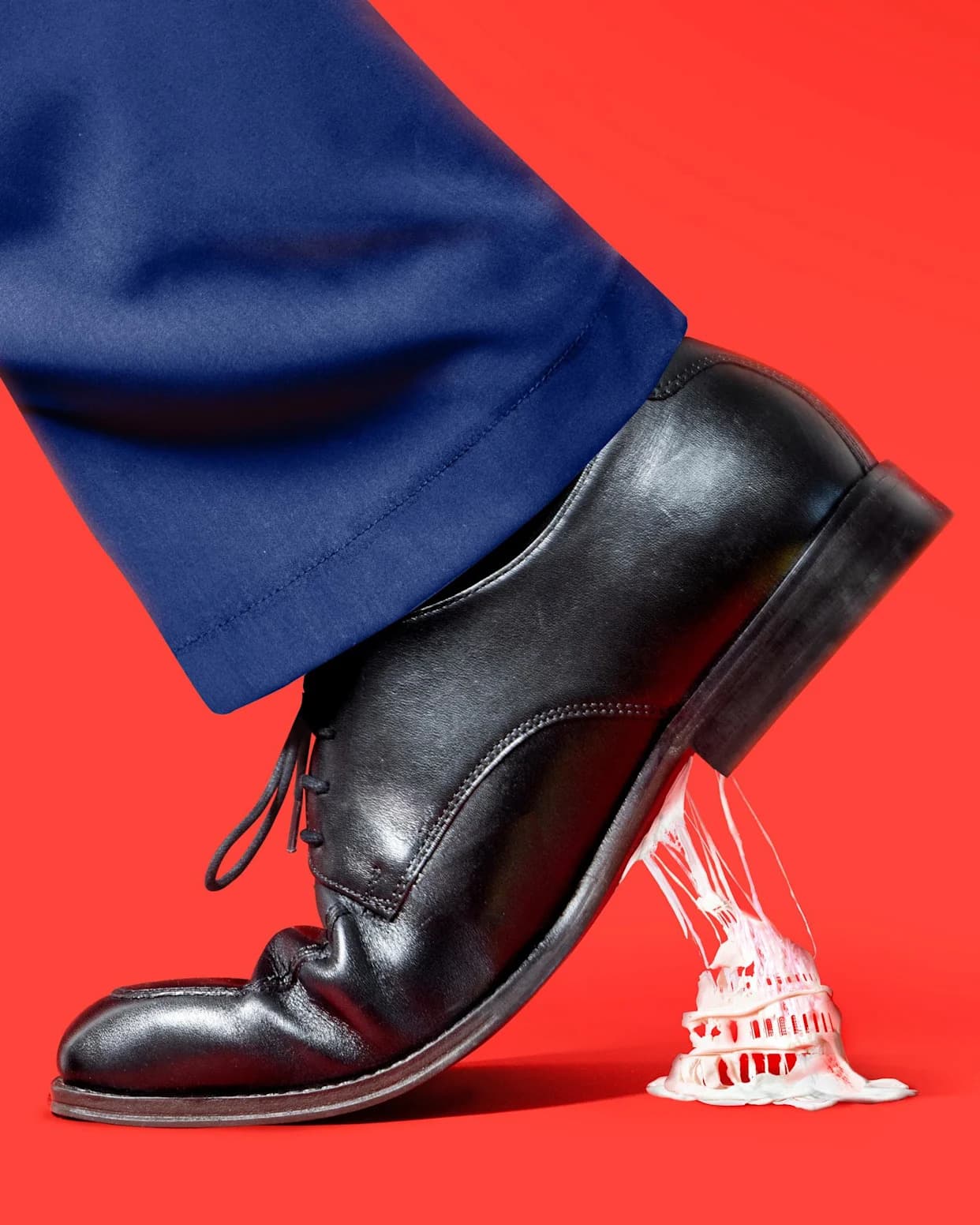
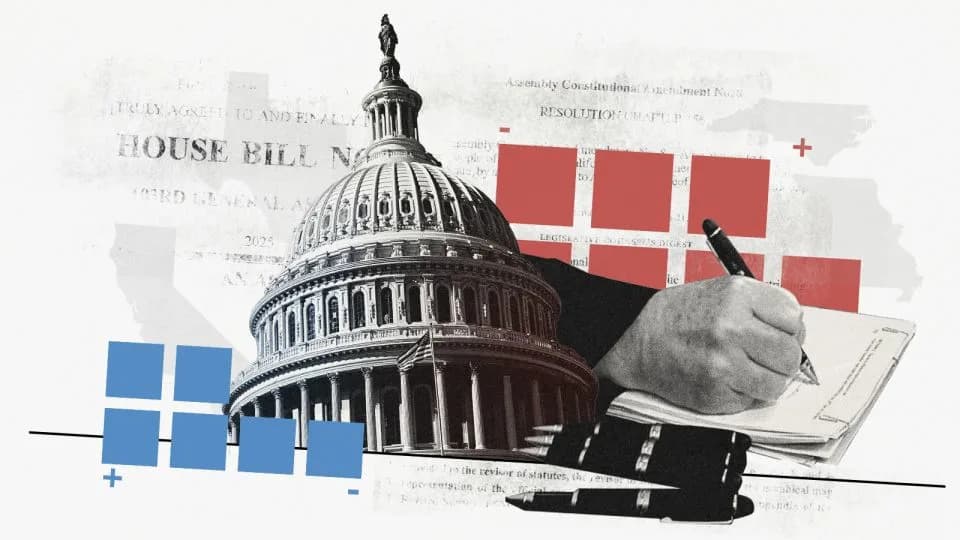
Photo Illustration by Alberto Mier/CNN/Getty Images
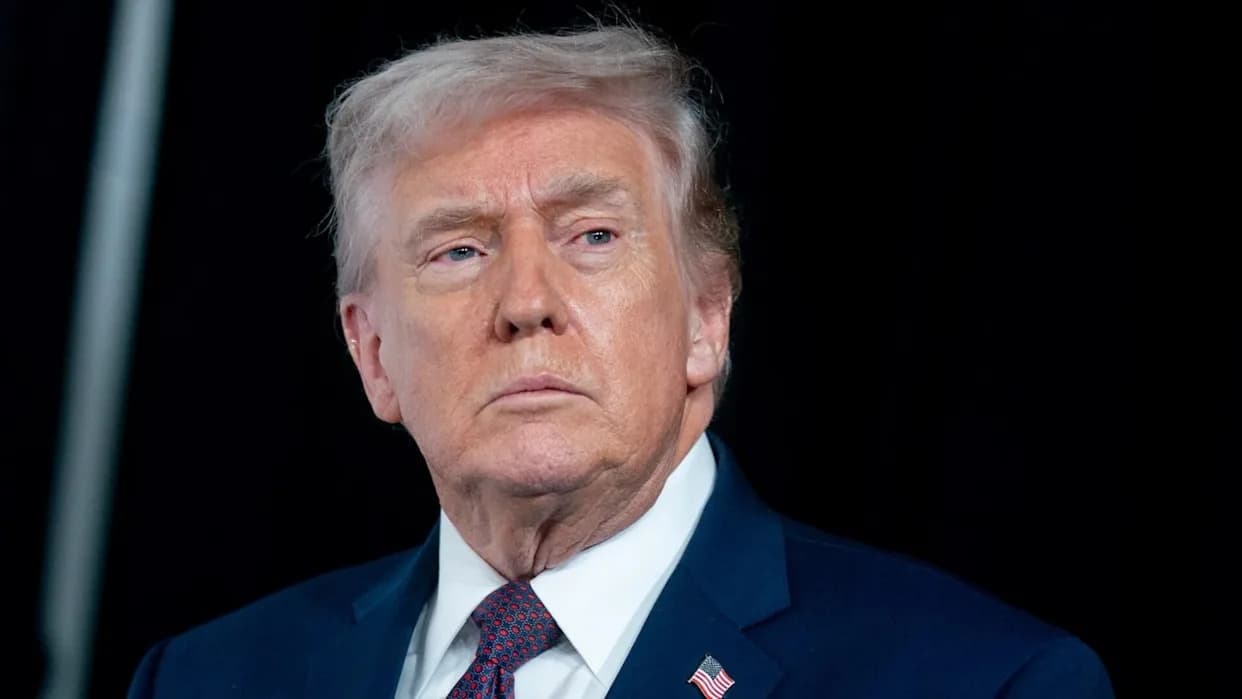
Within weeks of returning to the White House, President Donald Trump declared he had "brought free speech back to America." Since that claim, his administration has repeatedly pushed at the edges of the First Amendment, prompting concern among civil liberties experts, legal analysts and critics.
The First Amendment protects freedom of religion, speech and the press; the right to peaceful assembly; and the right to petition the government for redress of grievances. It also bars the government from making laws that unduly restrict the free exercise of these rights.
Despite those protections, the administration has pursued critics through executive orders, lawsuits and social-media posts on Truth Social. Targets have included protesters, universities, news organizations, law firms and individual speakers whose views the administration opposes.
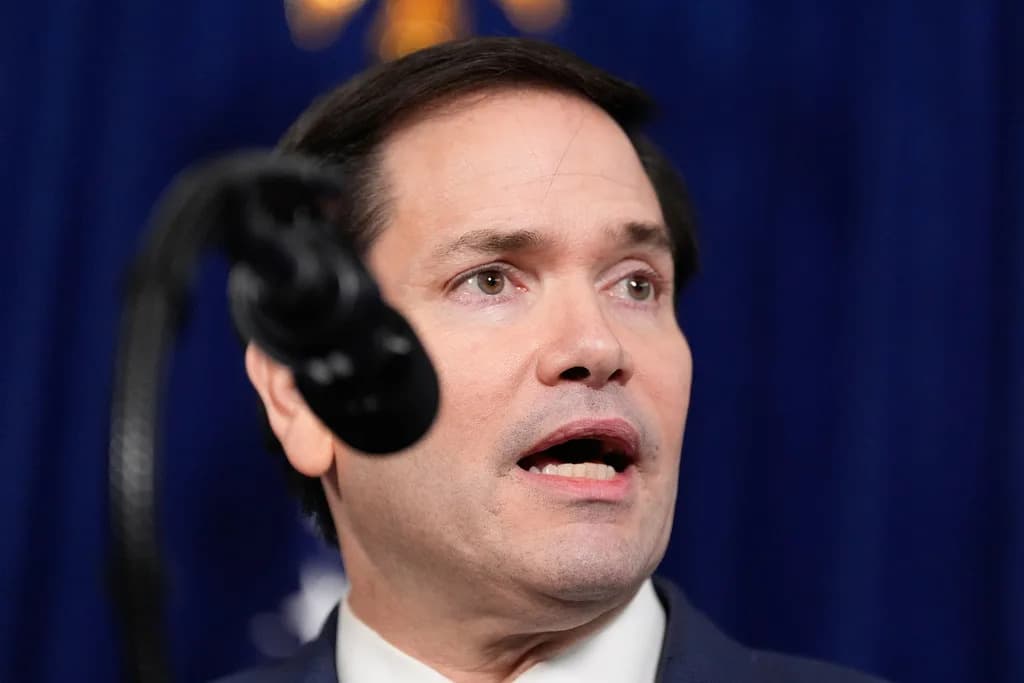
Most recently, Trump filed a defamation lawsuit against the BBC in a federal court in Florida — a case many legal experts describe as legally weak and more likely intended to deter criticism. At the same time, comments by the chair of the Federal Communications Commission during a congressional hearing raised concerns among lawmakers about the agency's independence.
Some of the administration's efforts have been successfully blocked or reversed in court. Other organizations have acceded to pressure: for example, Disney's ABC temporarily suspended Jimmy Kimmel's show after his comments about conservative activist Charlie Kirk following the killing of another activist.
"The administration is trying to frighten Americans out of exercising their First Amendment rights by denying them benefits if they dare to do something that Trump doesn't like," said Burt Neuborne, a civil liberties professor at New York University School of Law. He warned the result could be "a society that is not exercising their First Amendment rights. The First Amendment rights are there, but it's too costly to exercise them."
Timeline
Below is a timeline highlighting several instances in which President Trump and his administration have tested the limits of the First Amendment. Many actions were challenged in court; some were overturned, while others prompted organizations to change behavior amid public pressure.
This chronology highlights the pattern of legal and political pressure used to influence speech and institutions. Legal challenges and ongoing public debate will determine how these episodes shape First Amendment protections going forward.
Help us improve.