The Trump administration aims to move Israel and Hamas into phase two of its Gaza peace plan in early 2026, but major questions remain over Hamas disarmament, the mandate and contributors for an International Stabilization Force (ISF), and whether the plan provides a clear path to Palestinian statehood. The October ceasefire has largely held and Hamas returned most hostage remains, meeting a first-phase condition. Diplomats say sequencing, verification and international buy-in must be resolved quickly to avoid flare-ups of violence.
Trump's Gaza Plan Nears Phase Two — Disarmament, ISF Mandate and Statehood Path Still Unclear
President Donald Trump is preparing to declare that Israel and Hamas will enter the second phase of his Gaza peace plan in early 2026, but diplomats and analysts warn that major political, security and operational questions remain unresolved.
Ceasefire Progress and First-Phase Conditions
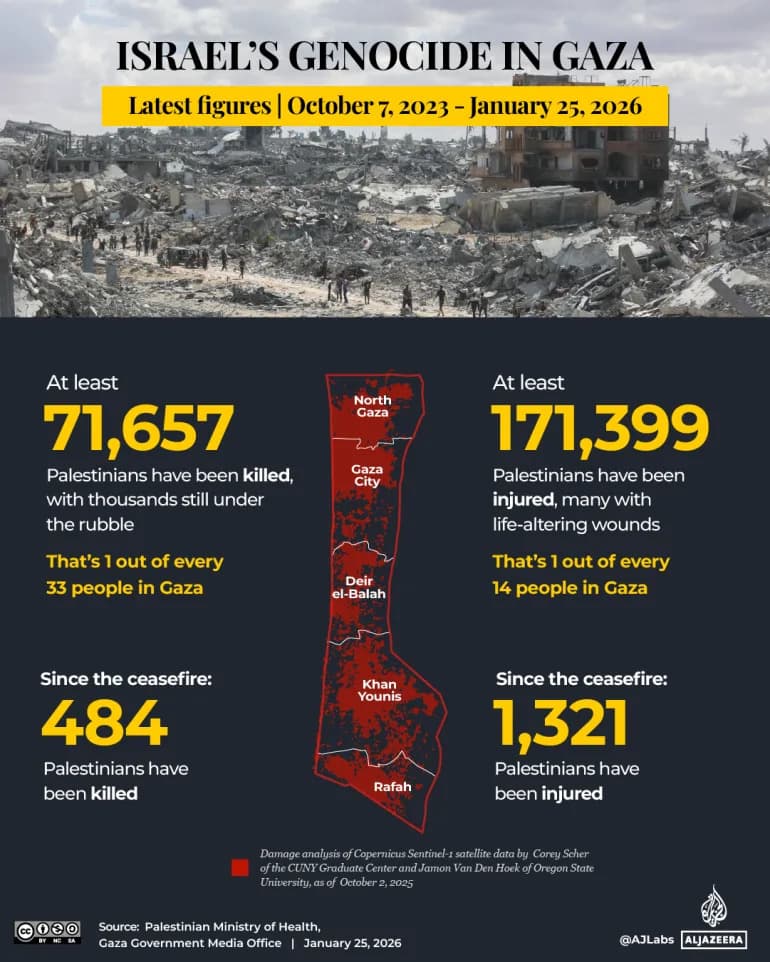
A ceasefire that began in October has largely held, despite competing accusations of violations and fatal incidents blamed on both Hamas and Israeli forces. Under the plan’s first phase, Hamas returned the remains of all but one deceased Israeli hostage, a requirement for moving forward.
What Phase Two Would Require
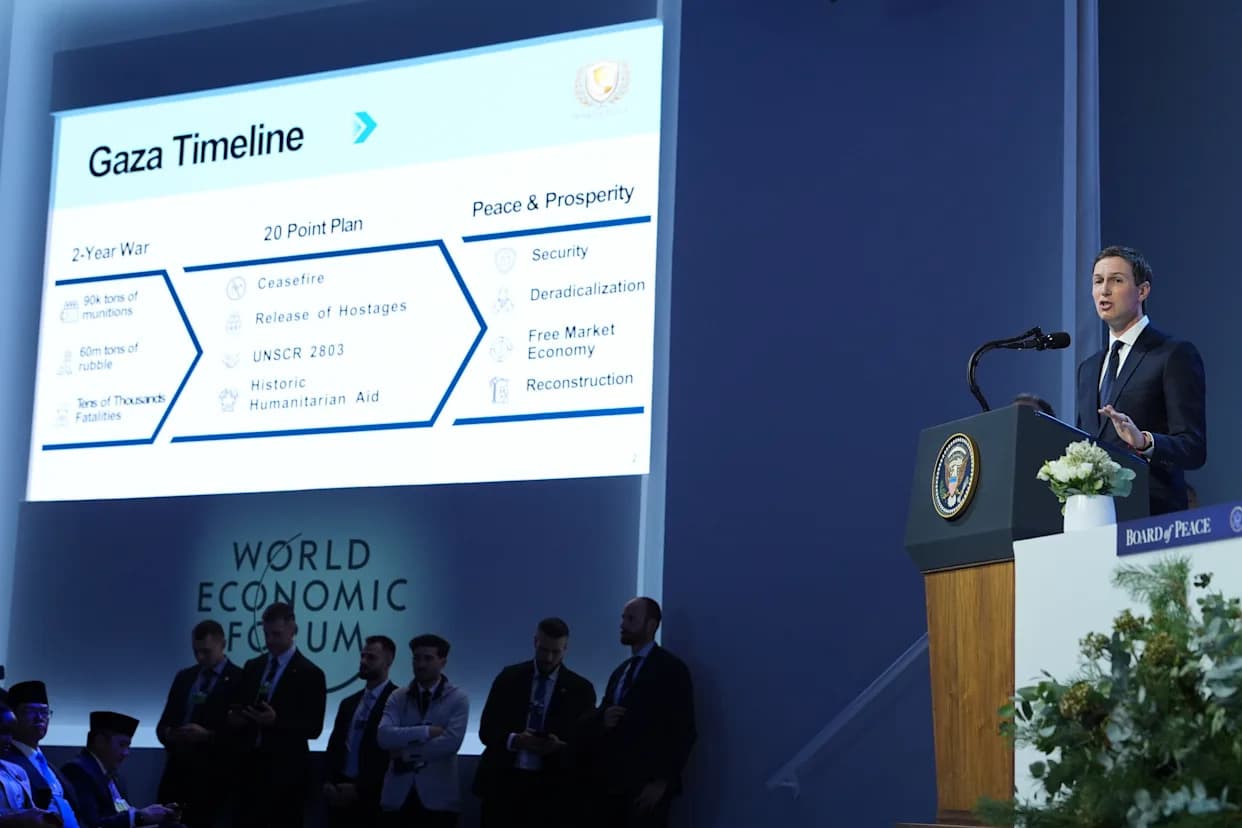
The proposed second phase envisions Hamas relinquishing its weapons and stepping back from governance while Israel withdraws additional military forces from Gaza. New governance structures would include a Board of Peace (BoP) — which President Trump says he will chair — overseeing a technocratic Palestinian administration responsible for basic services such as infrastructure, water, education and health.
“If these things will not happen, then nothing will happen.” — Kobi Michael, Institute for National Security Studies (INSS).
Security: International Stabilization Force And Palestinian Police
The plan calls for deployment of an International Stabilization Force (ISF) alongside a newly trained Palestinian police force to maintain order. Trump has reportedly named a U.S. two-star general to lead the ISF, but potential contributors are seeking clearer answers on the mandate, rules of engagement and whether the force will be required to disarm Hamas.
U.S. officials have signaled they want the ISF deployed quickly, possibly by January, but Reuters cited unnamed officials saying Washington is not explicitly demanding the ISF disarm Hamas. Countries that have expressed willingness to send personnel — including Indonesia, Cyprus and Azerbaijan — say they need details on roles and authorities before committing troops.
Disarmament: Mixed Signals From Hamas And Mediators
Hamas has sent mixed messages about disarmament. Bassem Naim, a member of Hamas’s political bureau in Doha, has suggested the group may discuss "freezing or storing" weapons, or transferring arms only to a future Palestinian state. He also mentioned phased decommissioning during a five- to ten-year truce as an option.
U.S. and other officials say Turkey and Qatar remain essential interlocutors for persuading Hamas to disarm, but Israel distrusts both countries because of their historical ties to the group, complicating prospects for an internationally acceptable verification process.
Territorial Division And The Yellow Line
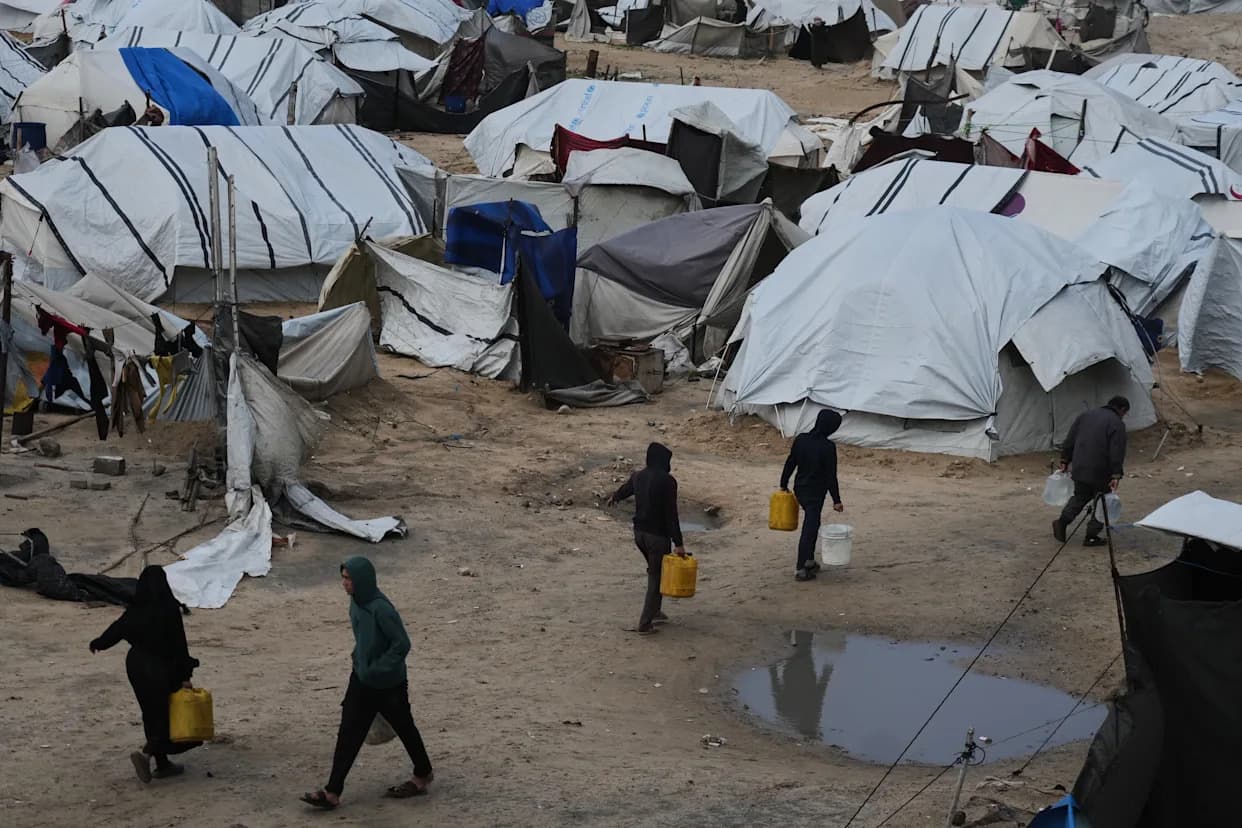
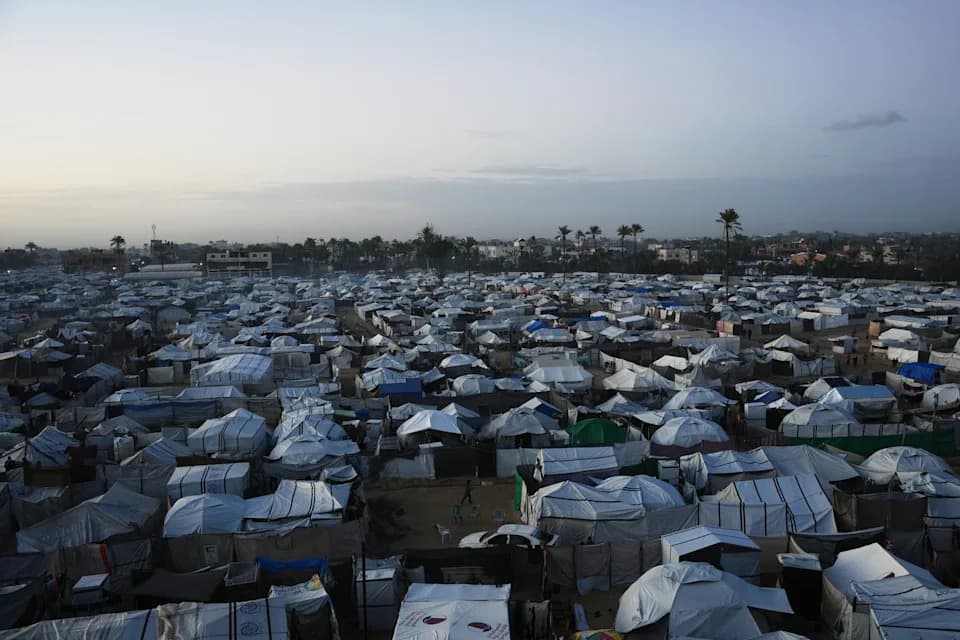
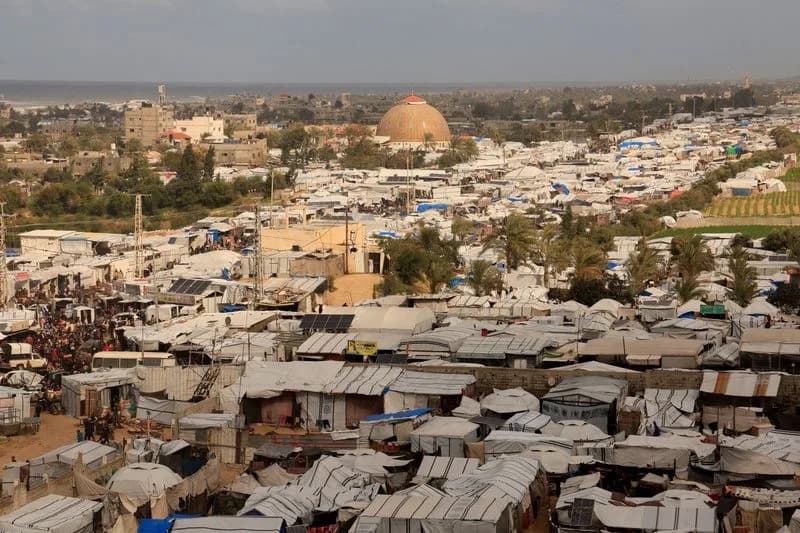
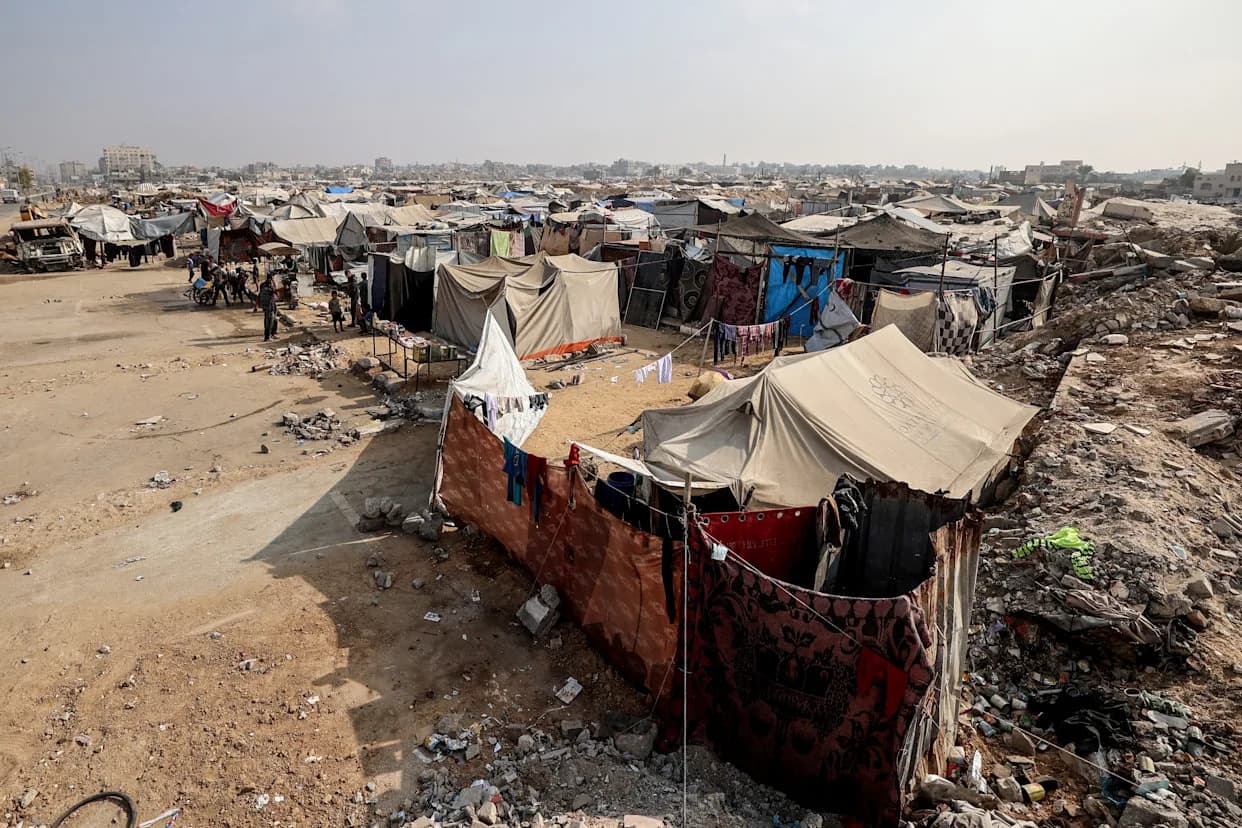
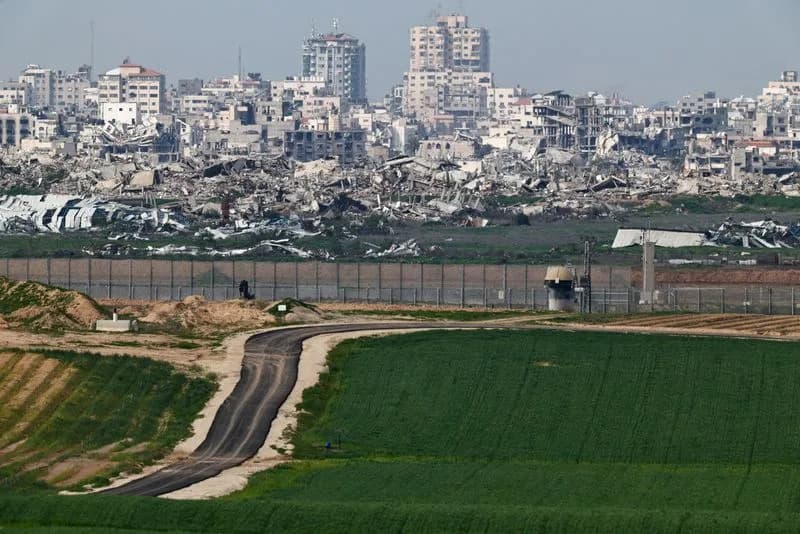
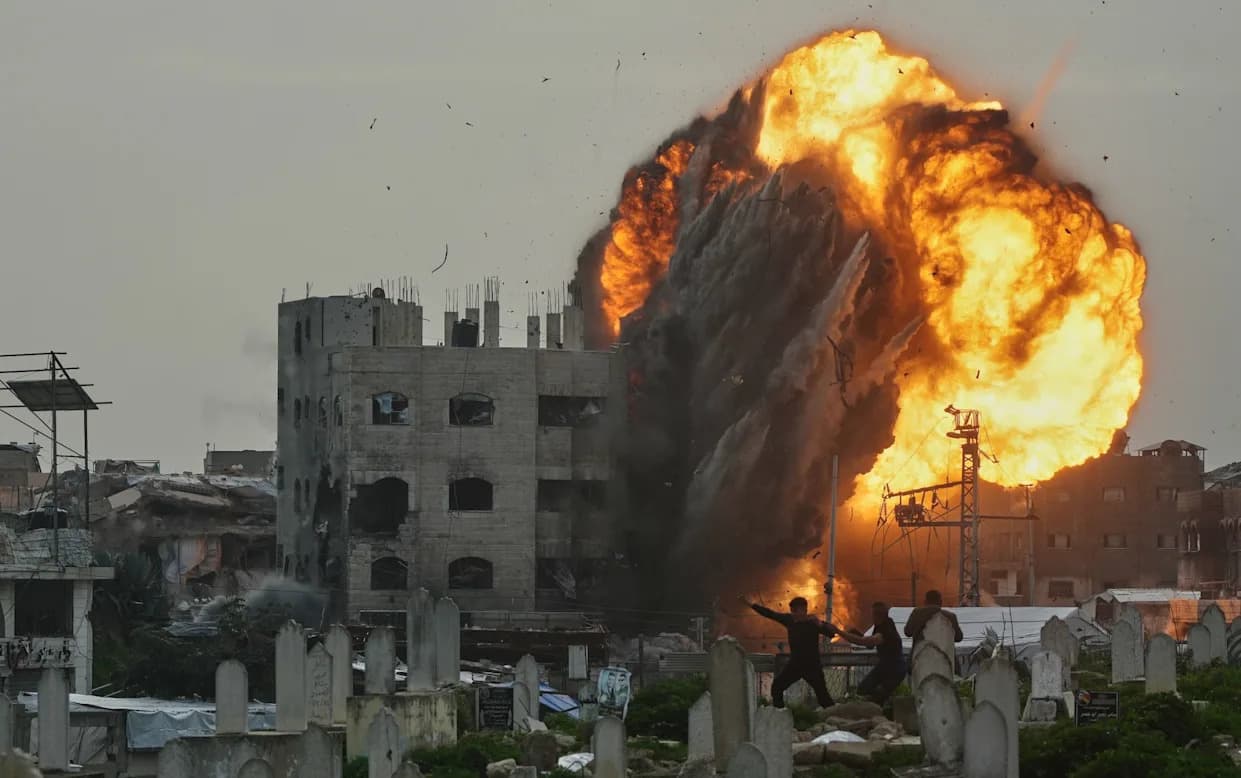
Under the ceasefire arrangement, Gaza is effectively divided: Israel controls about 53% of the territory — much of the east, southern Rafah and parts of the north — while Hamas controls roughly 47%. Israel has marked a "yellow line" with concrete blocks to separate the areas, but U.N. officials say shifting boundaries and enforcement have caused confusion for civilians trying to cross and have triggered clashes that Gaza health authorities report have resulted in hundreds of casualties.
Political Stakes: Statehood And Regional Support
Many international backers — a consortium of European and Muslim-majority countries that endorsed the framework and U.N. Security Council Resolution 2803 — want a clearer pathway to Palestinian statehood built into any long-term agreement. Saudi officials have reiterated that an explicit route to statehood is essential for a durable peace and for normalization with Riyadh.
Outlook
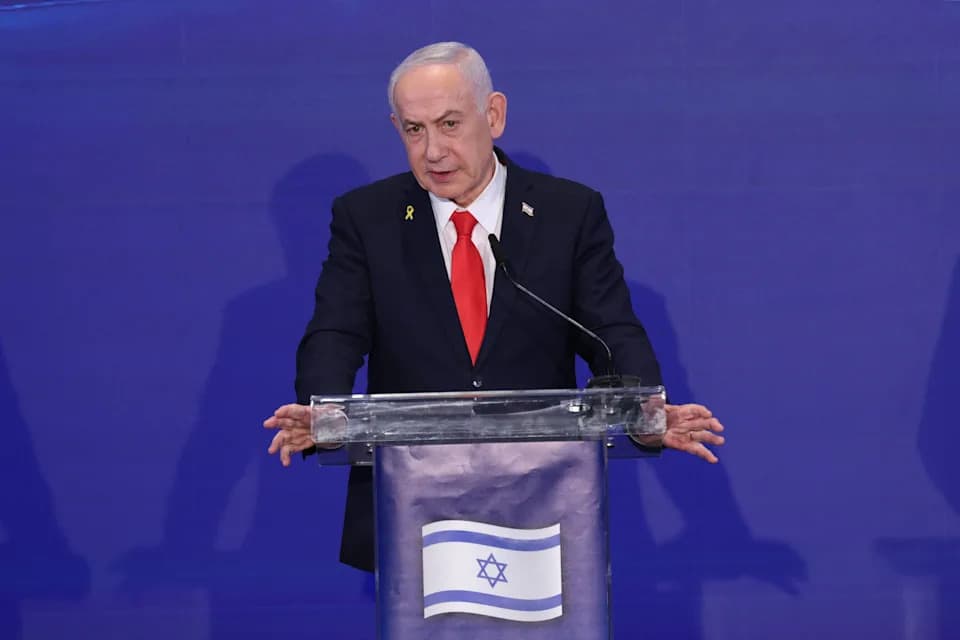
President Trump is expected to meet Israeli Prime Minister Benjamin Netanyahu on Dec. 29 to discuss next steps and to announce early next year the composition of the Board of Peace. Diplomats warn that without clear sequencing, credible guarantees for disarmament and robust answers on ISF mandate and composition, the plan risks faltering or reigniting violence.
Copyright 2025 Nexstar Media, Inc. All rights reserved.
Help us improve.