Bloomberg reported that FDA Commissioner Marty Makary ordered a delay of a safety review for mifepristone until after the 2026 midterms—an allegation the administration denies. HHS and the FDA say the review is taking time because scientific evaluations are complex; critics point to quicker agency action on other drug warnings as evidence of inconsistency. Public opinion strongly favors medication abortion, and telehealth prescriptions account for more than a quarter of U.S. abortions, making any restriction politically consequential.
Did Politics Delay The FDA’s Review Of The Abortion Pill? Bloomberg Alleges A Post-2026 Slowdown

Why the FDA may be dragging out its politicized review of the abortion pill
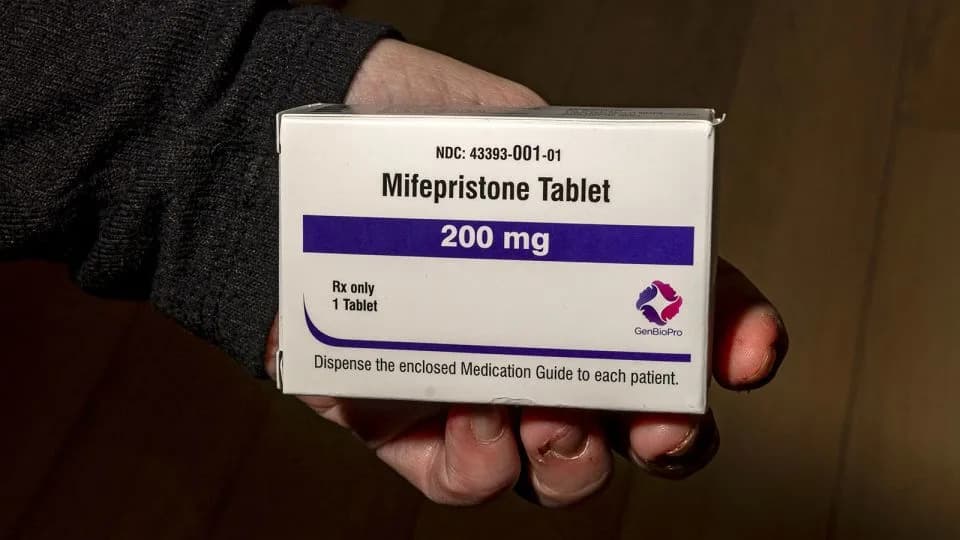
Reporting that the Food and Drug Administration (FDA) has slowed a safety review of the abortion pill mifepristone until after the 2026 midterm elections has reignited debate about whether politics are influencing federal drug oversight. Bloomberg, citing multiple people familiar with the matter, reported that FDA Commissioner Marty Makary instructed staff to delay the review—an action that critics say could preserve broader access to the medication through the elections. MS NOW has not independently verified Bloomberg’s reporting.
What The Reporting Says
According to Bloomberg’s account, Commissioner Makary personally intervened to pause or slow the review process, with the likely effect of avoiding an immediate tightening of access to mifepristone. Advocates warn that a rushed review could lead to restrictions—such as reinstating in-person dispensing requirements—that would make the drug harder to obtain nationwide.
Agency Response
The Department of Health and Human Services (HHS) and the FDA deny that politics are driving the timetable. HHS spokesperson Andrew Nixon told Bloomberg, "Assertions that the FDA is slow walking this review for political purposes are baseless. FDA’s comprehensive scientific reviews take the time necessary to get the science right." Commissioner Makary, speaking to The Daily Signal, said he could not predict the "results or the timeline," and noted that a recent government shutdown had been a setback but promised the agency would publish findings when available.
Andrew Nixon, HHS: "Assertions that the FDA is slow walking this review for political purposes are baseless. FDA’s comprehensive scientific reviews take the time necessary to get the science right."
Why Critics Are Skeptical
Critics point to other recent FDA actions as evidence that the agency can act quickly when it chooses. For example, the FDA moved swiftly to publicize a possible link between prenatal acetaminophen use and autism despite limited evidence—a response that critics say demonstrates the agency’s ability to issue timely safety communications. That contrast fuels suspicion that the timeline for mifepristone’s review may be influenced by political calculations.
Public Opinion And Political Stakes
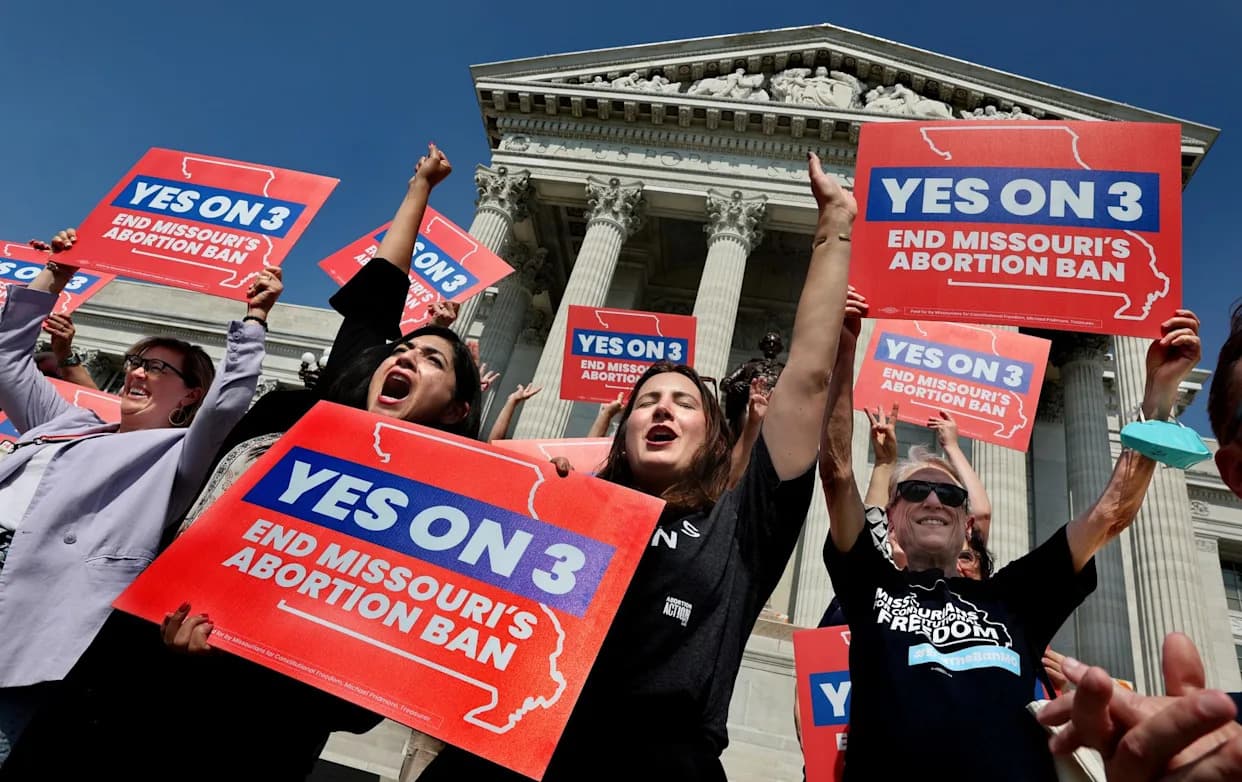
Public support for medication abortion is strong. A 2024 Pew Research Center survey found that 63% of Americans said abortion should be legal in all or most cases, and respondents favored medication abortion by a margin greater than 2-to-1. Telemedicine prescriptions now account for more than a quarter of U.S. abortions, making telehealth access a politically salient issue ahead of the midterms.

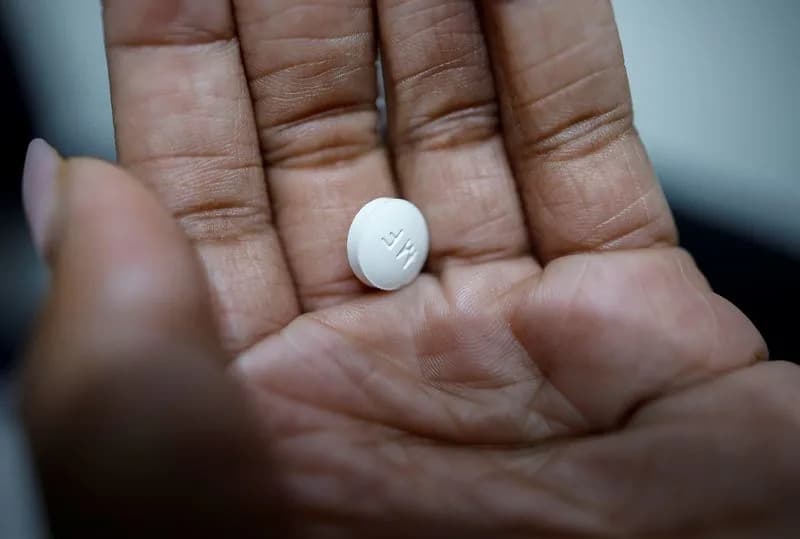
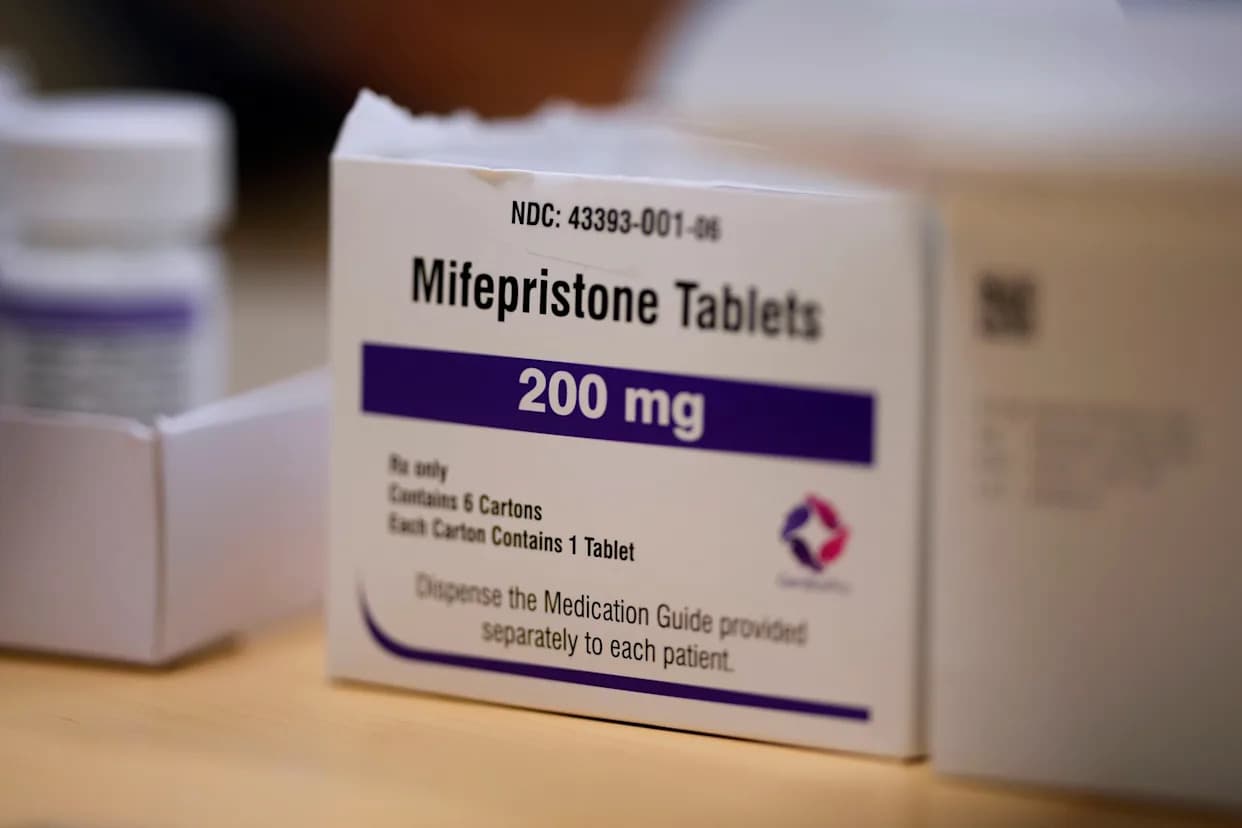
Mifepristone and Misoprostol pills pictured on Oct. 3, 2018.Erin Hooley/Chicago Tribune and Tribune News Service via Getty Images
Advocacy Pressure And Policy Proposals
Conservative groups and some Republican policy blueprints have pushed to restrict telemedicine access to mifepristone. The anti-abortion group Susan B. Anthony Pro-Life America (SBA) called for Commissioner Makary’s firing after the Bloomberg report; SBA previously organized campaigns that resulted in more than 220 members of Congress urging the FDA to end telemedicine prescriptions for the pill. Project 2025 and allied organizations have advocated restoring in-person dispensing or even revoking FDA approval as more extreme options.
Scientific Context
On scientific grounds, many experts argue a review is unnecessary: more than 100 studies have found mifepristone to be a safe and effective option for ending an early pregnancy and for managing miscarriages when used with misoprostol. The FDA first allowed telehealth prescriptions for mifepristone during the COVID-19 pandemic in 2021 and made that allowance permanent in 2023. In response to state-level bans after the fall of Roe v. Wade, eight states enacted so-called shield laws to protect telehealth providers prescribing abortion medications to out-of-state patients.
Potential Consequences
Supporters of strict new requirements say they would restore in-person dispensing and additional clinical checks. Opponents warn that reinstating such rules would reduce access nationwide—even in states where abortion remains protected—by forcing people to travel to fewer clinics and eliminating the convenience and privacy of telehealth prescriptions.
Given the political stakes and broad public support for medication abortion, some Republican officials reportedly prefer not to make major changes to access in the months before the midterms. Observers note the tension between scientific evidence and political strategy as the review proceeds and as stakeholders on both sides intensify pressure on the FDA.
Note: MS NOW has not independently verified Bloomberg’s reporting cited in this article.
Help us improve.