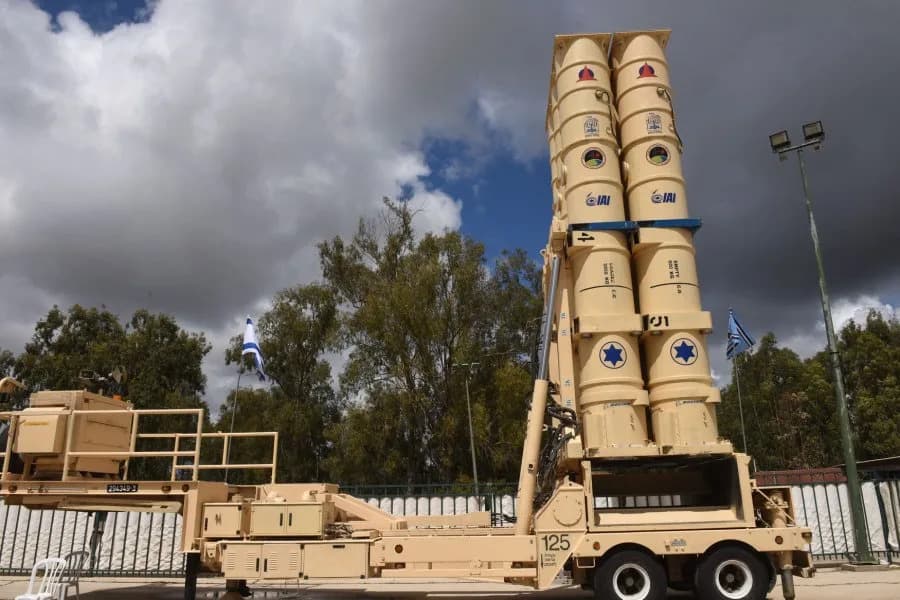
Israel, roughly the size of New Jersey, reported record foreign arms sales of $15 billion in 2024, making it the world’s eighth-largest arms exporter. Demand is driven by internationally proven systems — notably rockets and interceptors related to the Iron Dome missile-defense family — with most purchases coming from European governments as well as partners in Asia and the Middle East.
Global Buyers and Market Reach
Israel ranks behind the United Kingdom but ahead of Turkey and South Korea in global arms exports. European buyers, led by Germany and Finland, account for a substantial share of the business; other notable customers include India, Thailand and Greece. Several Muslim-majority countries, including Morocco, the United Arab Emirates and Bahrain, have also procured Israeli missiles, drones and cybersecurity solutions.
The Iron Beam: Directed-Energy Defense
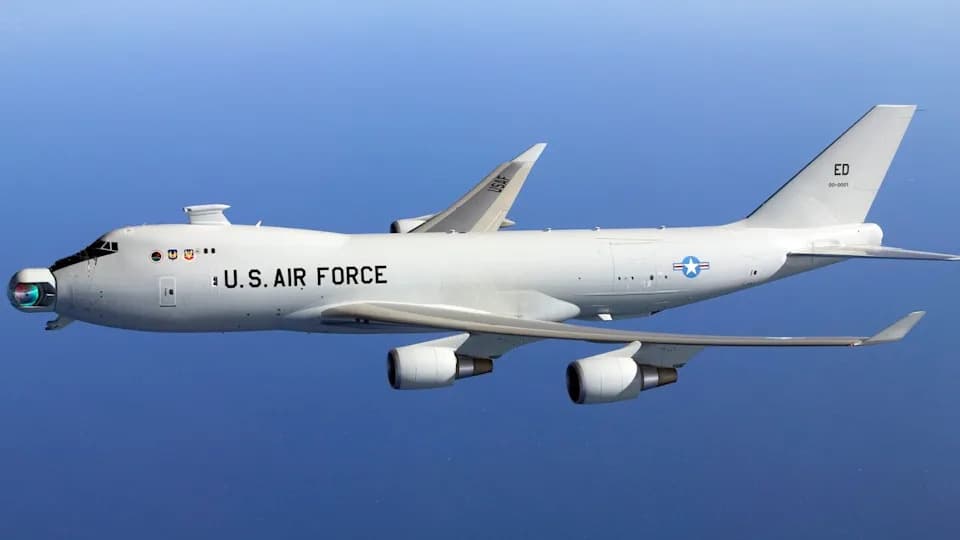
At the same time, Israeli officials publicly revealed the Iron Beam, a directed-energy (laser) system the government says can disable incoming missiles, mortar rounds and unmanned aerial vehicles at ranges up to about six miles (roughly 10 kilometers).
A central selling point is cost per engagement. Officials contrast the Iron Beam’s reported operating cost of roughly $1–$2 per interception with conventional interceptor missiles, which typically cost from tens of thousands to hundreds of thousands of dollars — and in some cases up to $1 million — per shot.
"With the laser, the only cost is electricity," said Yuval Steinitz of Rafael Advanced Defense Systems, the company behind the system. "It is like between $1 and $2, less than the price of a hot dog in New York."
Proponents also emphasize the laser’s speed: a beam travels at the speed of light, removing the flight-time delay inherent in kinetic interceptors. "We have already used it against UAVs launched by Hezbollah in the north and missiles from Iran. It works," said Professor Isaac Ben-David of Tel Aviv University, who previously led research and development at Israel’s Ministry of Defense. Officials say initial deployments will be in northern Israel, where threats from across the border can reach targets within minutes, and that the system will later be adapted for naval use and protection of selected air bases.
Development, Partnerships, And Caveats
Rafael developed the Iron Beam in cooperation with U.S. defense firm Lockheed Martin and with roughly $1.2 billion in Pentagon funding. Israeli officials say the technology is being shared with the U.S. Army’s directed-energy program.
While developers and Israeli officials describe the system as a potential game changer, analysts note that directed-energy weapons have operational limits — including reduced effectiveness in adverse weather or through obscurants like dust and smoke — and that integration into layered defenses will be critical. Officials characterise the Iron Beam as a complementary tool, intended to reduce costs and expand interception capacity alongside existing missile interceptors.
Bottom line: Israel’s record arms exports underscore growing international demand for its defense systems, while the Iron Beam — if its field performance and operational limits continue to meet expectations — could significantly lower per-engagement costs and add a high-speed layer to air-defense architectures.