The Trump administration approved two major arms packages: $6.67 billion for Israel and $9 billion for Saudi Arabia, announced after Congress was notified. Saudi Arabia will receive 730 Patriot missiles and related equipment, while Israel’s purchases include 30 Apache helicopters ($3.8B), 3,250 light tactical vehicles ($1.98B), $740M in power packs and $150M for light utility helicopters. The State Department said the sales would not alter the regional military balance, but some lawmakers criticized the speed and timing of the disclosures.
U.S. Approves $6.67B in Arms for Israel and $9B for Saudi Arabia Amid Regional Tensions
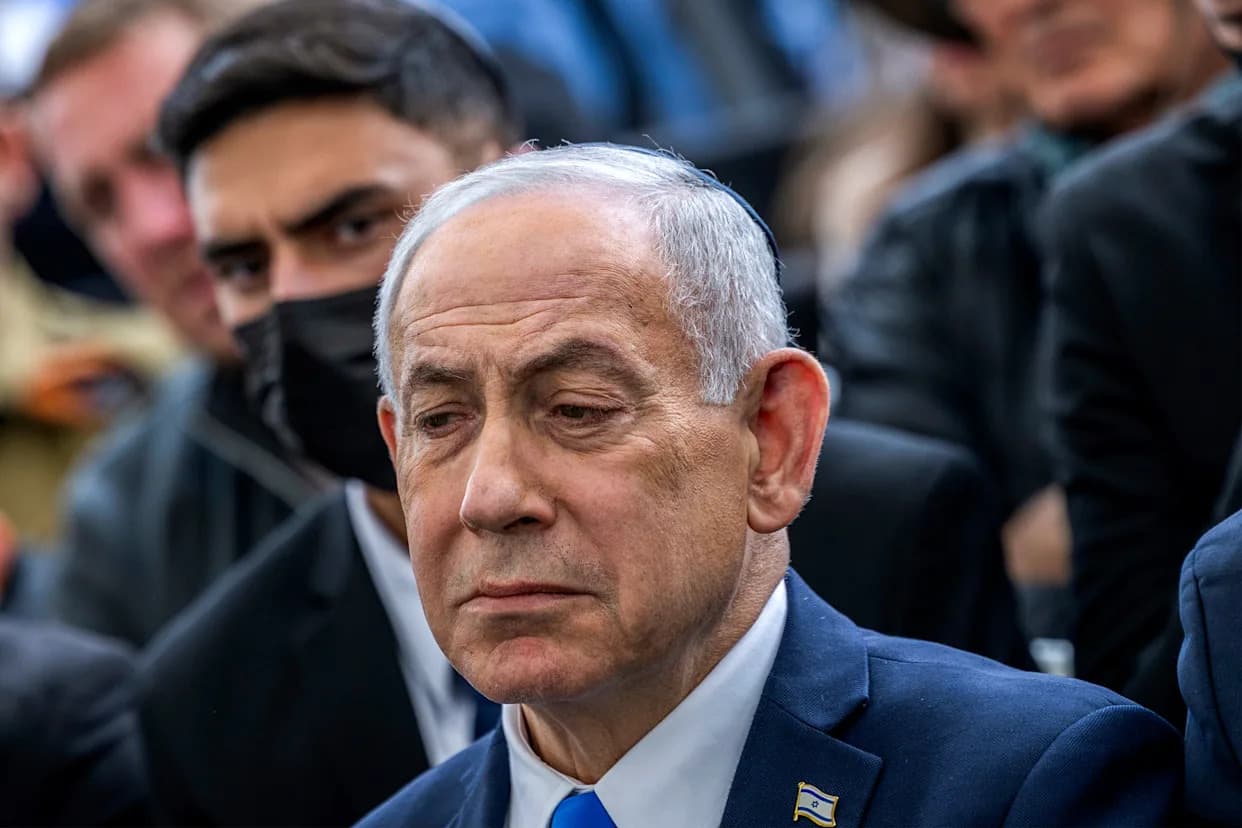
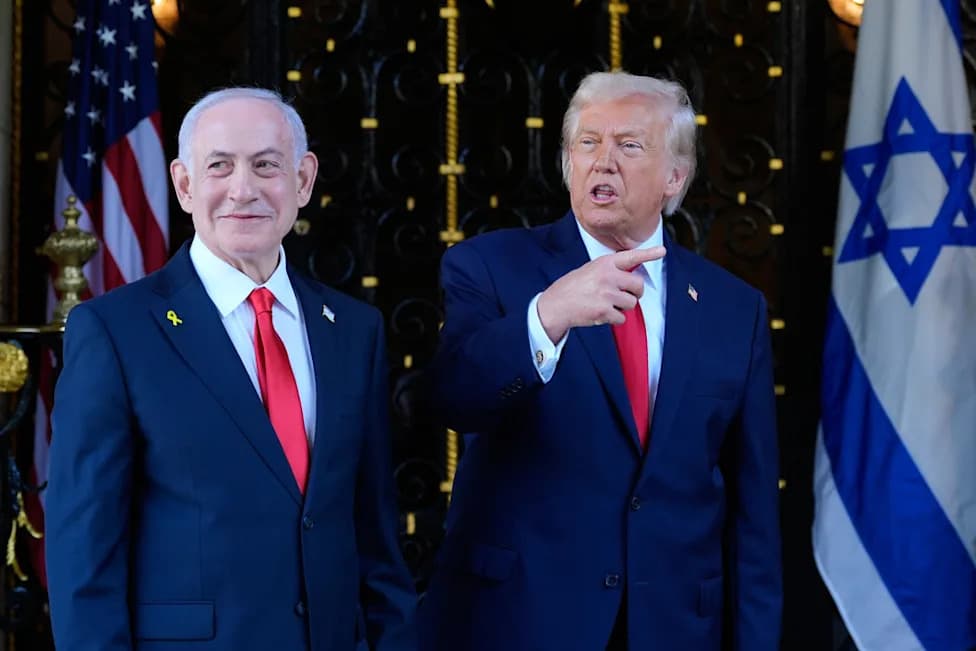
Israel's Prime Minister Benjamin Netanyahu reacts during the funeral of Israeli hostage Ran Gvili, whose remains were brought back to Israel, in the southern town of Meitar on Wednesday, Jan. 28, 2026.(Chaim Goldberg/Pool Photo via AP)(ASSOCIATED PRESS)
The U.S. State Department announced that the Trump administration has approved two major arms packages — $6.67 billion for Israel and $9 billion for Saudi Arabia — notifying Congress amid heightened tensions in the Middle East and concerns about possible military action against Iran. The sales were made public after Congress was formally informed earlier the same day.
The approvals coincide with President Donald Trump’s efforts to advance a ceasefire and reconstruction plan for Gaza intended to end the Israel–Hamas fighting and help rebuild the Palestinian territory after two years of devastating conflict that left tens of thousands dead. Although the ceasefire has largely held, officials say significant obstacles remain, including deploying an international security force to monitor compliance and the complex task of disarming Hamas.
The Saudi Sale
The Saudi package includes 730 Patriot missiles and related equipment. The State Department said the sale "will support the foreign policy and national security objectives of the United States by improving the security of a Major Non‑NATO Ally that is a force for political stability and economic progress in the Gulf region."
Officials added that the additional capability is intended to protect Saudi and allied land forces — including U.S. personnel — and to strengthen Saudi Arabia’s contribution to the region’s integrated air- and missile-defense architecture. The announcement followed meetings between Saudi Defense Minister Khalid bin Salman and senior Trump administration officials.
Arms Packages for Israel
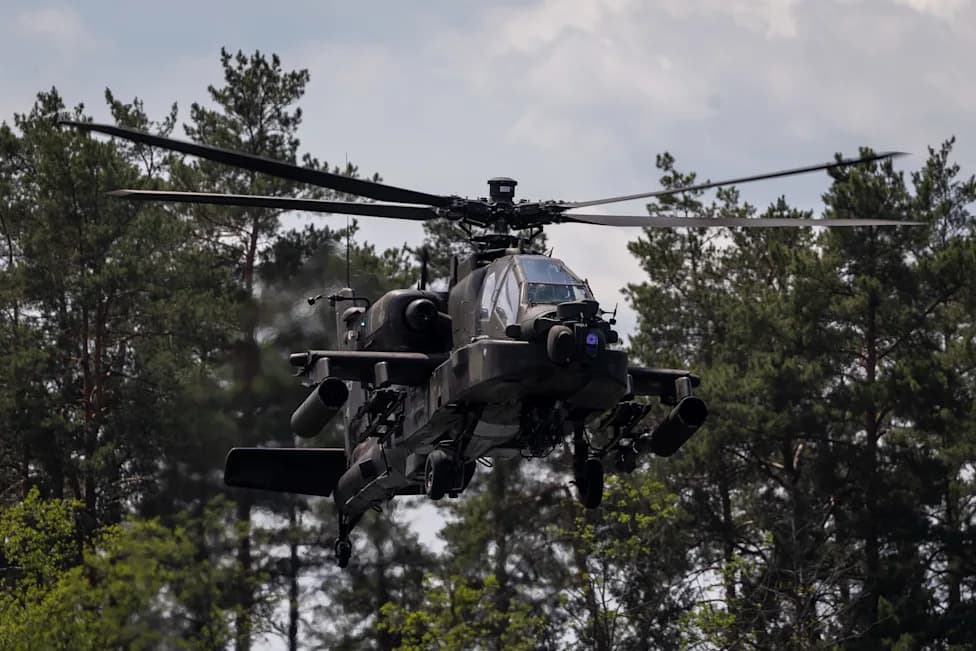
Israel’s approvals are divided into four packages. The largest is for 30 Apache attack helicopters outfitted with rocket launchers and advanced targeting systems, totaling $3.8 billion. Another major component is 3,250 light tactical vehicles, intended to move personnel and logistics and extend lines of communication for the Israel Defense Forces; that portion is valued at $1.98 billion.
In addition, Israel will purchase $740 million in power packs for armored personnel carriers that have been in service since 2008, and $150 million for a small, unspecified number of light utility helicopters to complement existing platforms.
Official Statement and Reactions
In parallel statements, the State Department said none of the sales would change the military balance in the region and that each package would "enhance Israel’s capability to meet current and future threats by improving its ability to defend its borders, vital infrastructure, and population centers." The department reiterated that U.S. support for Israel’s security serves American national interests.
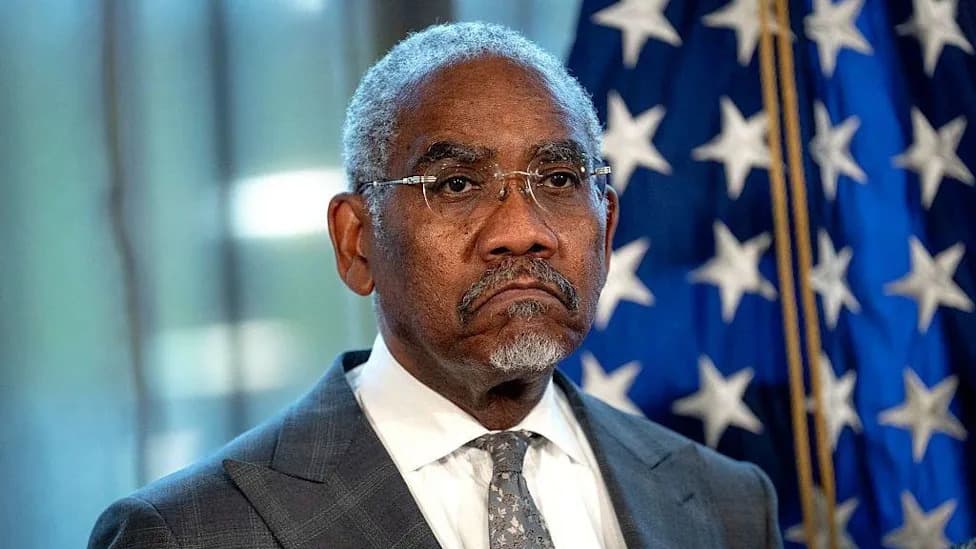
Representative Gregory Meeks, the ranking Democrat on the House Foreign Affairs Committee, criticized the timing and tempo of the announcements. Meeks said the administration moved quickly in a way that risked "disregarding congressional oversight and years of established practice," and called for more engagement with Congress on Gaza policy and the next steps in the region.
The sales underscore a U.S. focus on strengthening regional air- and missile-defense capabilities while lawmakers debate oversight, strategic implications, and how arms transfers fit into broader efforts to stabilize Gaza and the wider Middle East.
Help us improve.