The U.S. has urged Houthi authorities in Yemen to immediately free current and former mission and aid staff detained amid trials alleging foreign espionage. The U.N. reports 59 of its personnel and dozens of other diplomatic and humanitarian workers are being held; some have been detained for years without due process. U.N. leaders condemned the prosecutions as grave human rights violations, while the U.S. called the proceedings "sham trials" and is pressing for unconditional releases as the country endures a severe humanitarian crisis.
U.S. Demands Immediate Release of Detained U.N., Mission and Aid Staff Held by Houthis

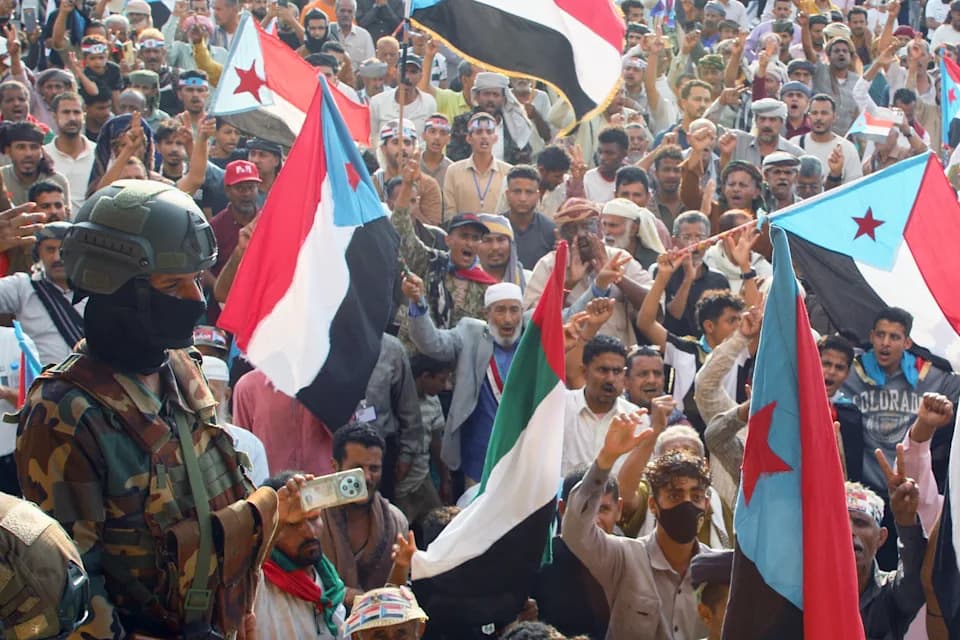
Houthi supporters shout slogans during a protest against Israel in Sana'a, Yemen, on August 29. On Wednesday, the United States called on the militant group to release former and current mission staff detained by the Houthis. File Photo by Yahya Arhab/EPA
The United States on Wednesday renewed calls for Yemen-based Houthi authorities to immediately release current and former international mission and aid workers who have been detained, as the rebels press legal cases that allege foreign espionage carried out under the cover of humanitarian operations.
It remains unclear how many current and former Yemeni nationals who worked for the U.S. Mission to Yemen are being held. The United Nations says 59 of its personnel, plus dozens of diplomatic, non-governmental and civil-society workers, remain in Houthi custody.
U.S. Response
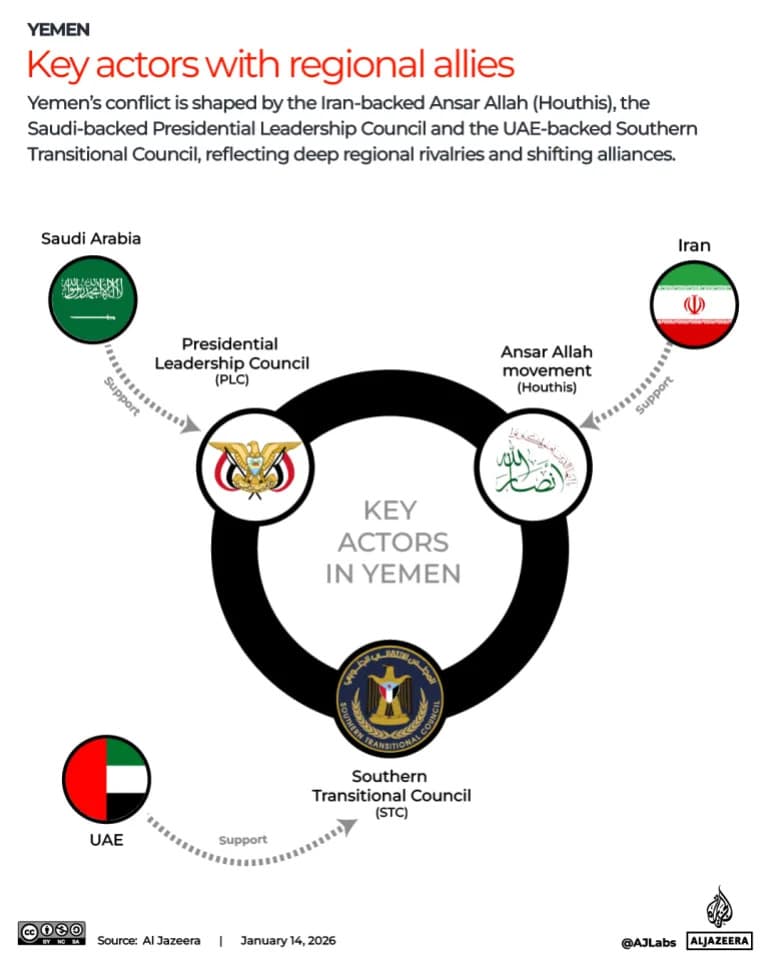
"The Iran-backed Houthis, a designated Foreign Terrorist Organization, have intensified their campaign of intimidation and abuse against Yemeni citizens affiliated with international organizations and foreign governments," State Department spokesperson Thomas Pigott said in a statement.
"The Houthis' arrests of those staff, and the sham proceedings that have been brought against them, are further evidence that the Houthis rely on the use of terror against their own people as a way to stay in power. We call for the immediate and unconditional release of the Mission staff."
The Houthis maintain that the detained workers are members of foreign espionage cells linked to the United States, Britain, Israel and Saudi Arabia and have moved to try those individuals in their courts. Houthi authorities have also warned against foreign interference with what they describe as judicial independence.
U.N. Concerns
U.N. Secretary-General António Guterres said he is "gravely concerned" about the arbitrary detention of 59 U.N. personnel and others held by the Houthis, condemning their referral to a special criminal court. He stressed that some U.N. staff have been detained for years without due process and that U.N. employees enjoy immunity for acts carried out in their official capacities.
Volker Türk, U.N. High Commissioner for Human Rights, said a U.N. colleague detained since November 2021 was presented to the Special Criminal Court on what he called "fabricated charges of espionage connected to his work." Türk described the detentions and alleged mistreatment as "totally unacceptable and a grave human rights violation."
U.N. special envoy for Yemen Hans Grundberg previously reported that 23 U.N. workers were in Houthi custody after a series of detentions. In late August, Houthi-controlled authorities abducted 11 U.N. employees following a raid on World Food Programme facilities in Sanaa — an action that came after airstrikes that reportedly killed several Houthi officials, including Ahmed al-Wawai.
U.N. spokesperson Stéphane Dujarric told reporters that U.N. officials have not been able to speak directly with detained staff but remain in regular contact with Houthi authorities in efforts to secure their release. "We don't want them to be in this court, and we want them to be released," he said.
Diplomatic Reaction and Context
The U.S. Embassy in Yemen condemned the trials as "sham trials" and said they underscore the Houthis' weakness and reliance on intimidation to distract from their inability to govern legitimately. The embassy urged the immediate release of the detained Yemeni citizens so they can return to their families after years of illegal detention.
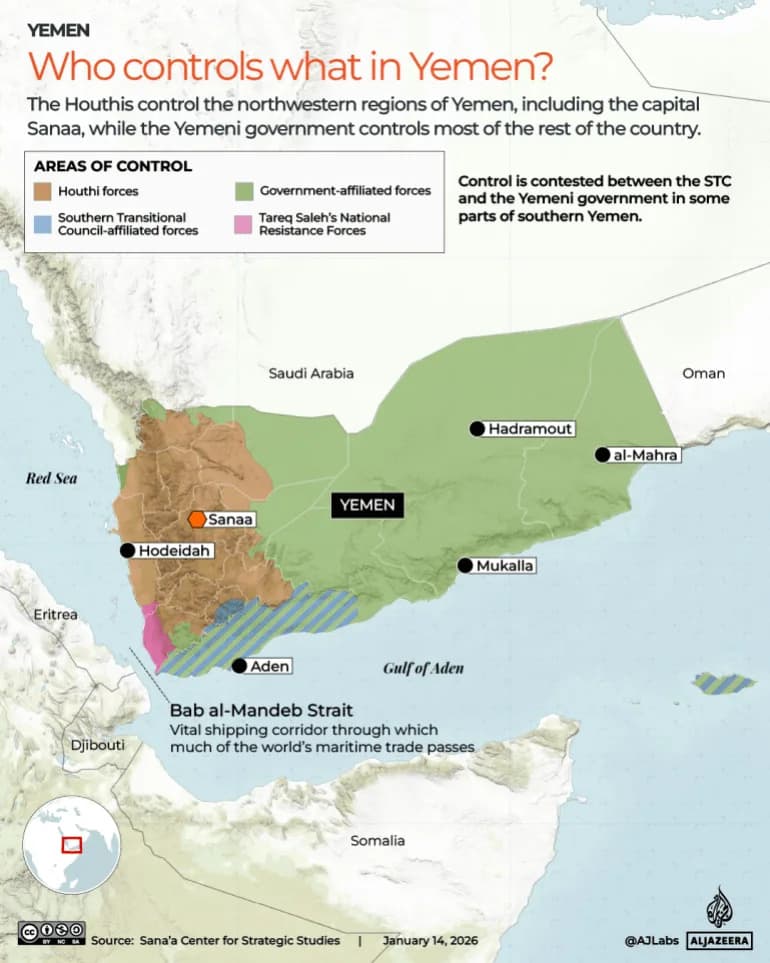
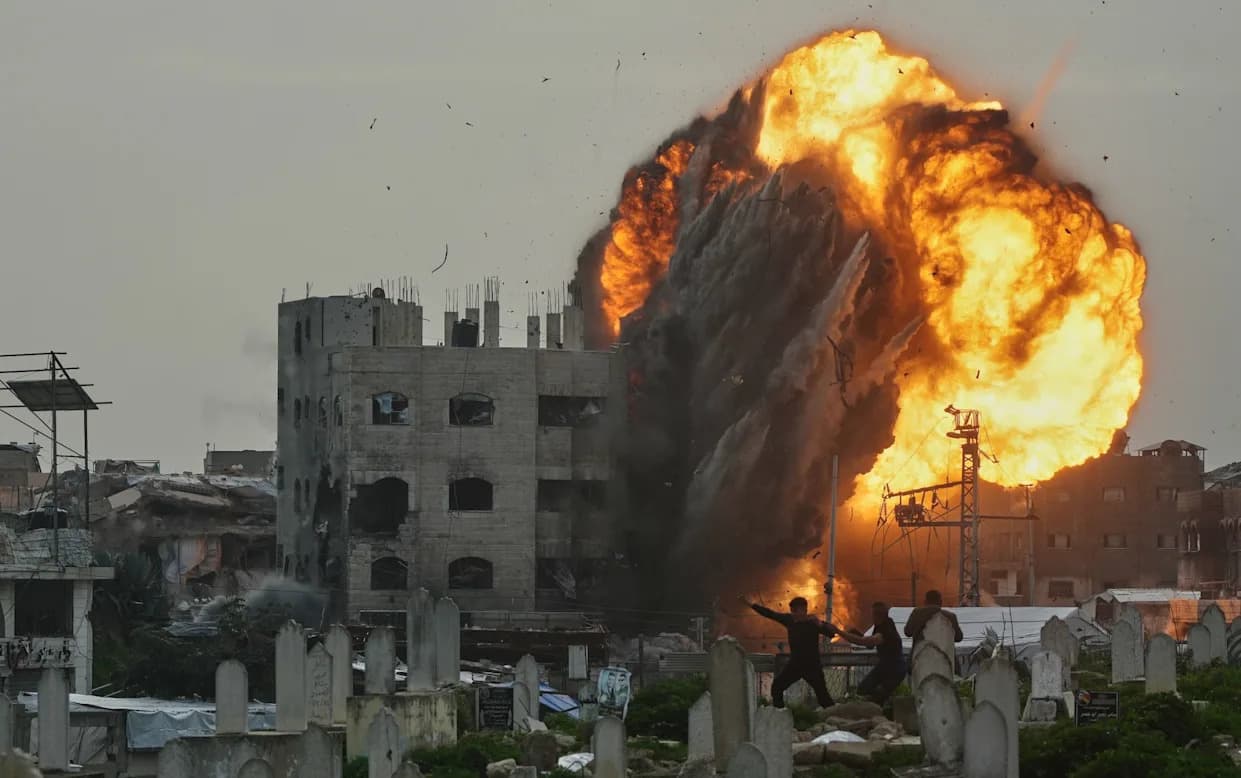
The detentions and prosecutions take place against the backdrop of Yemen's prolonged, 12-year civil war between Houthi militants and the internationally recognized government — a conflict that has produced one of the world's worst humanitarian crises and has made the protection of aid workers especially critical.
Help us improve.