A roadside car bomb struck a pro-government convoy north of Aden, killing five and injuring three. The attack targeted a vehicle carrying Giants Brigades commander Hamdi Shukri, who survived with shrapnel wounds to his leg. Yemen's Presidential Leadership Council called the strike a 'treacherous' attempt to destabilise security and vowed to pursue the perpetrators. The United States embassy condemned the attack, and no group immediately claimed responsibility.
Five Killed in 'Treacherous' Car Bombing Targeting Pro-Government Convoy North of Aden
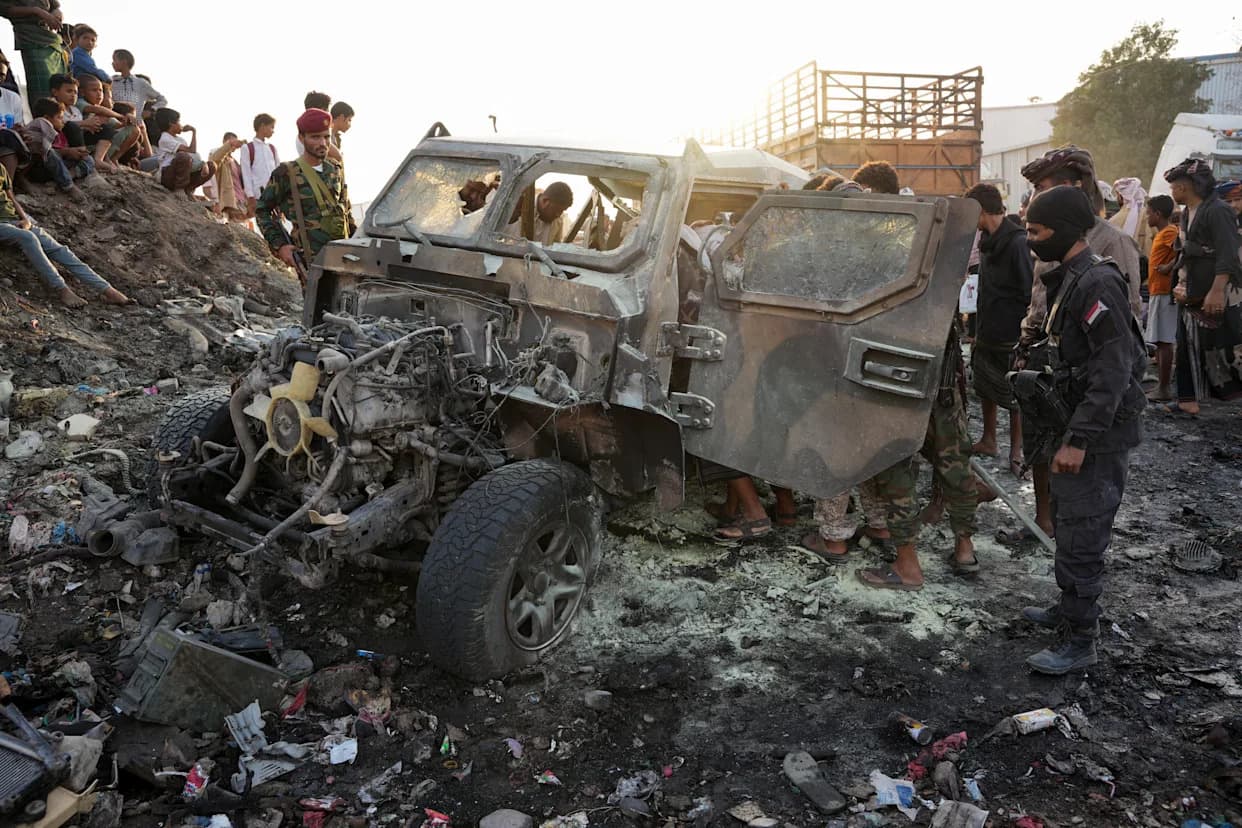
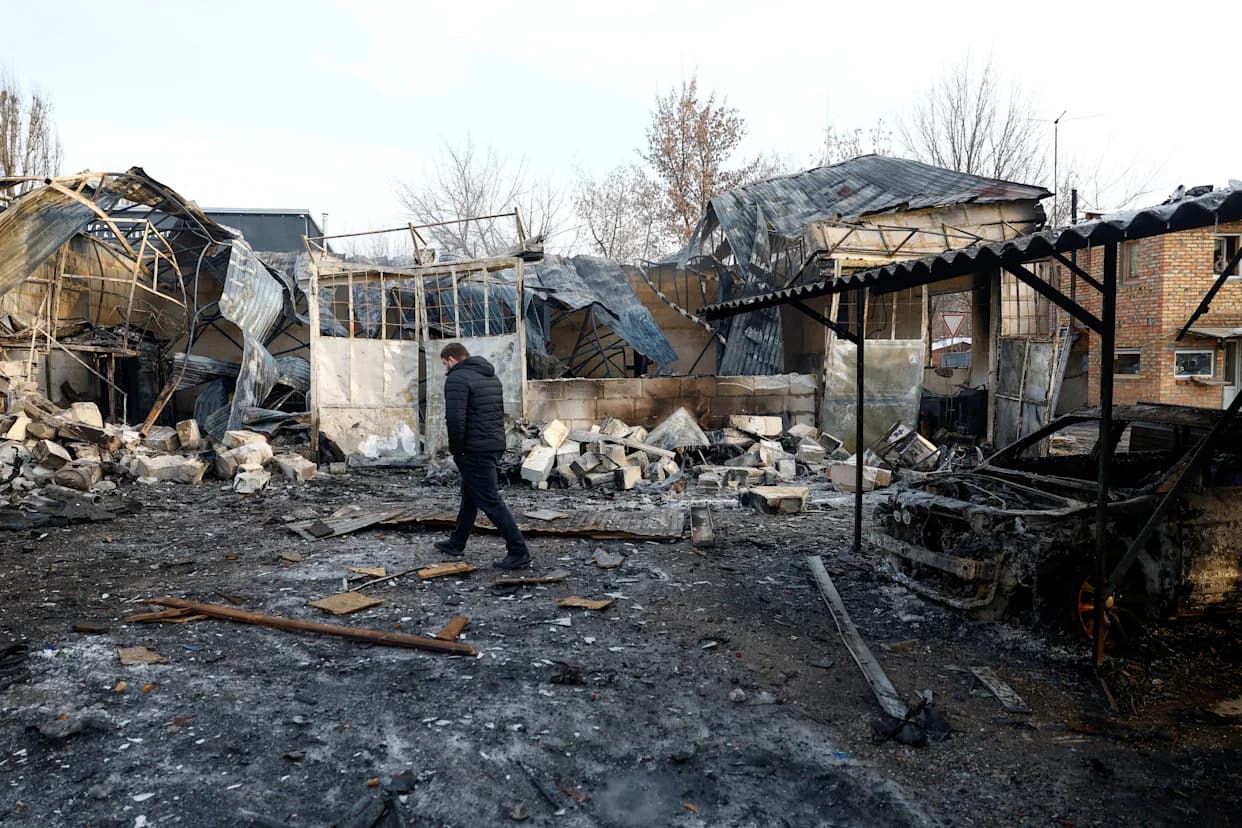
Members of the security forces inspect the site of a deadly car bomb attack near the southern port city of Aden, Yemen, on January 21, 2026 [Reuters]
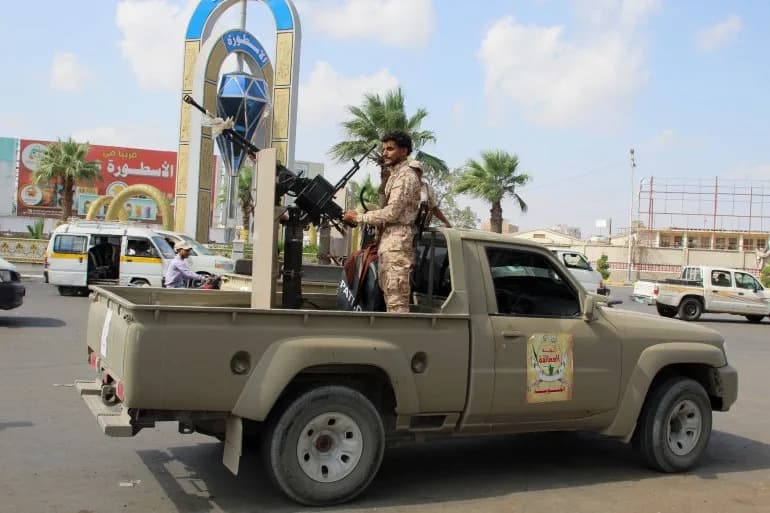
A roadside car bomb struck a convoy linked to forces allied with Yemen's Saudi-backed government on Wednesday, killing five people and wounding three, Yemeni authorities said.
The blast hit a vehicle in the convoy carrying Hamdi Shukri, a commander in the pro-government Giants Brigades, the Presidential Leadership Council said in a statement carried by state-run media Saba.
The council denounced the attack as a 'desperate attempt' to undermine recent efforts to stabilise security with Saudi support and vowed a firm response. Authorities said they would pursue the perpetrators and work to dismantle any related support networks.
'The Yemeni government calls on all national forces and political components to unify ranks in the face of chaos, saboteurs, and terrorism,' the council said. 'Political differences do not justify silence or hesitation when the state itself is being targeted.'
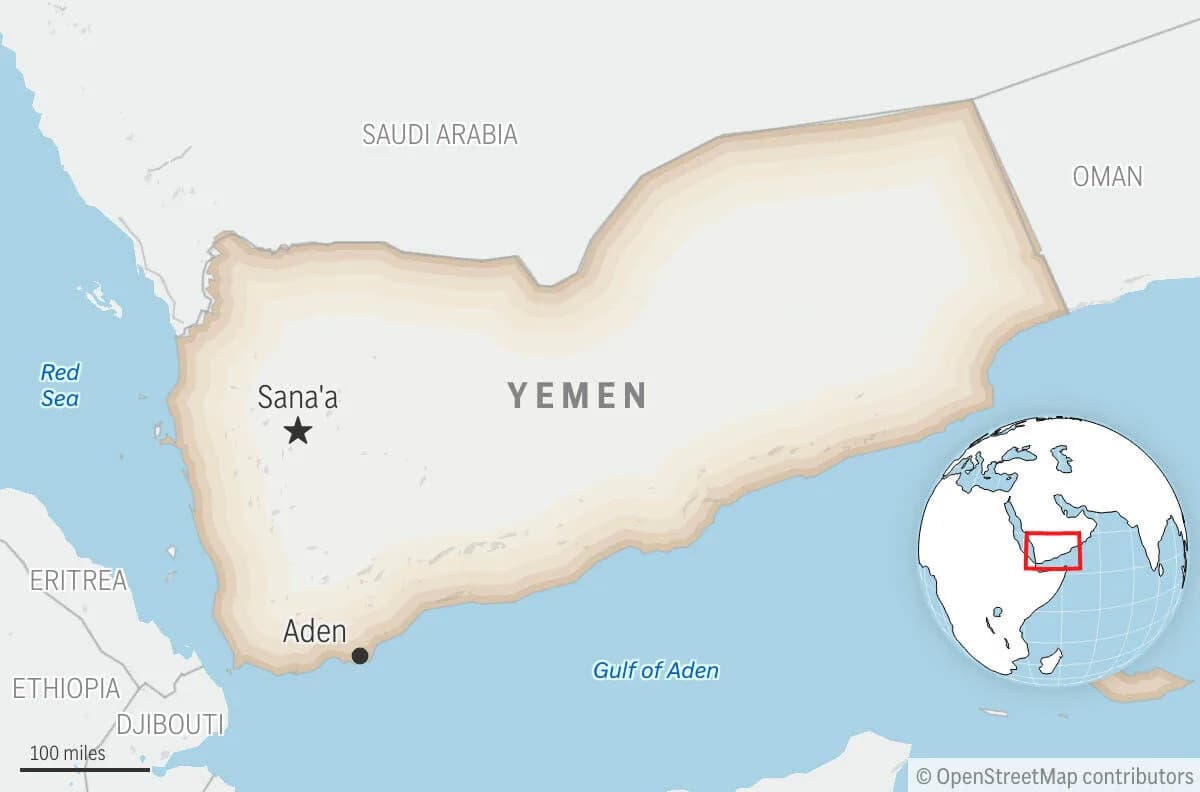
A security source told AFP the explosive device was planted inside a car on the side of the road in the Ja'awla area north of Aden and detonated as Shukri's convoy passed by. Shukri survived the attack but, according to a medical source speaking to AFP, sustained shrapnel wounds to his leg.
The United States embassy in Yemen condemned what it called an 'unprovoked attack against a Yemeni government-affiliated military convoy.' The government has not attributed the strike to any specific group.
Context
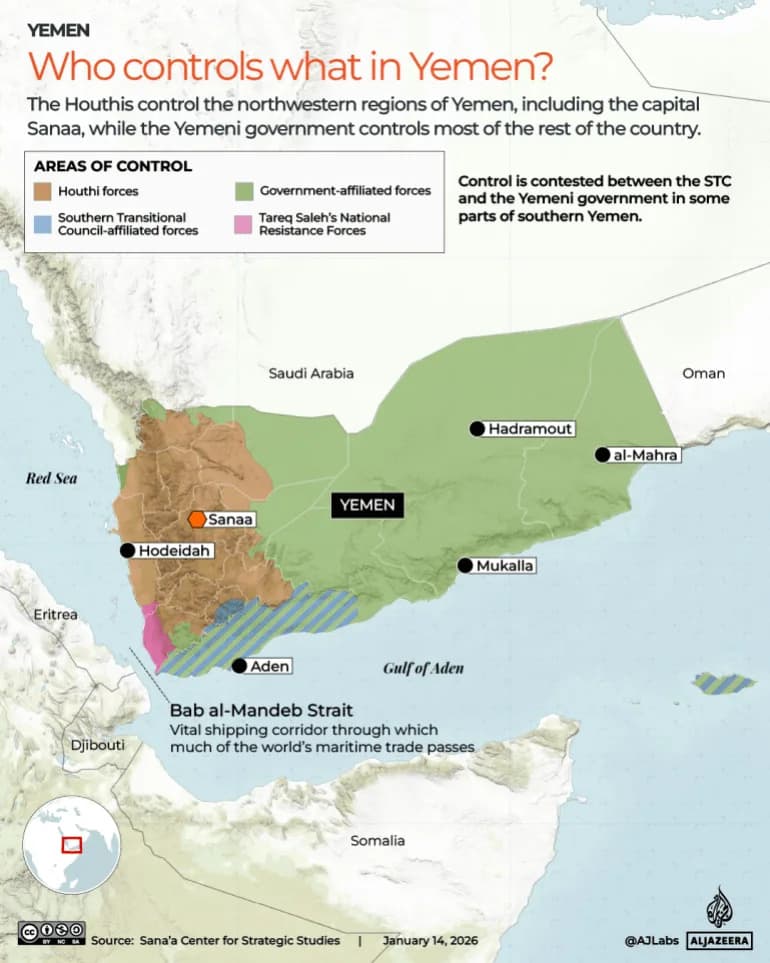
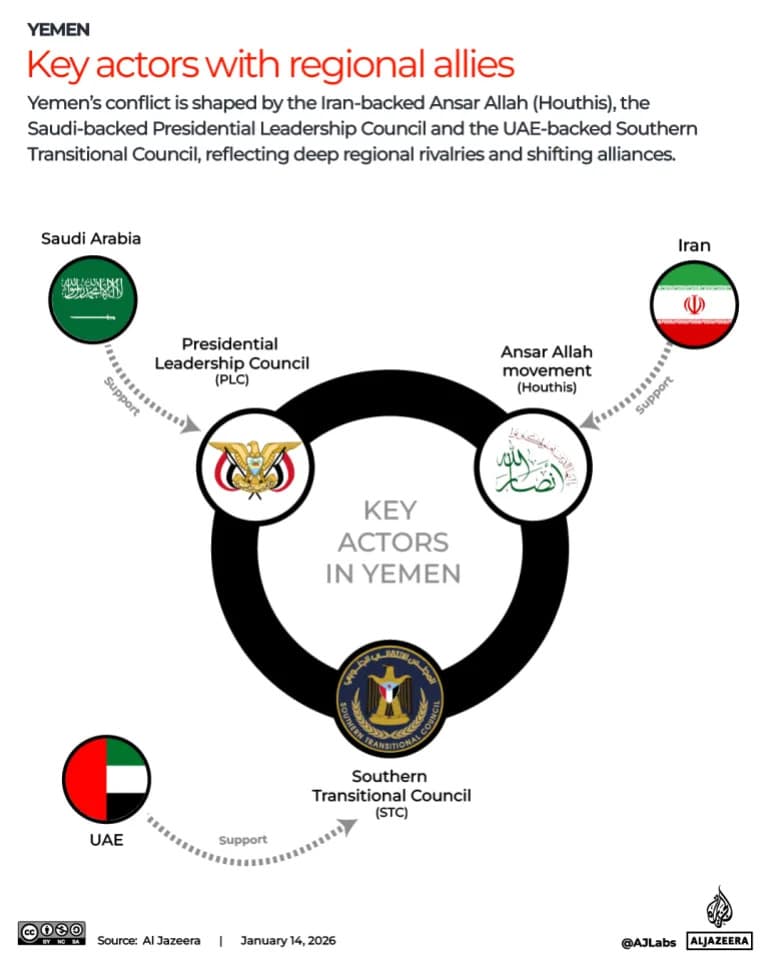
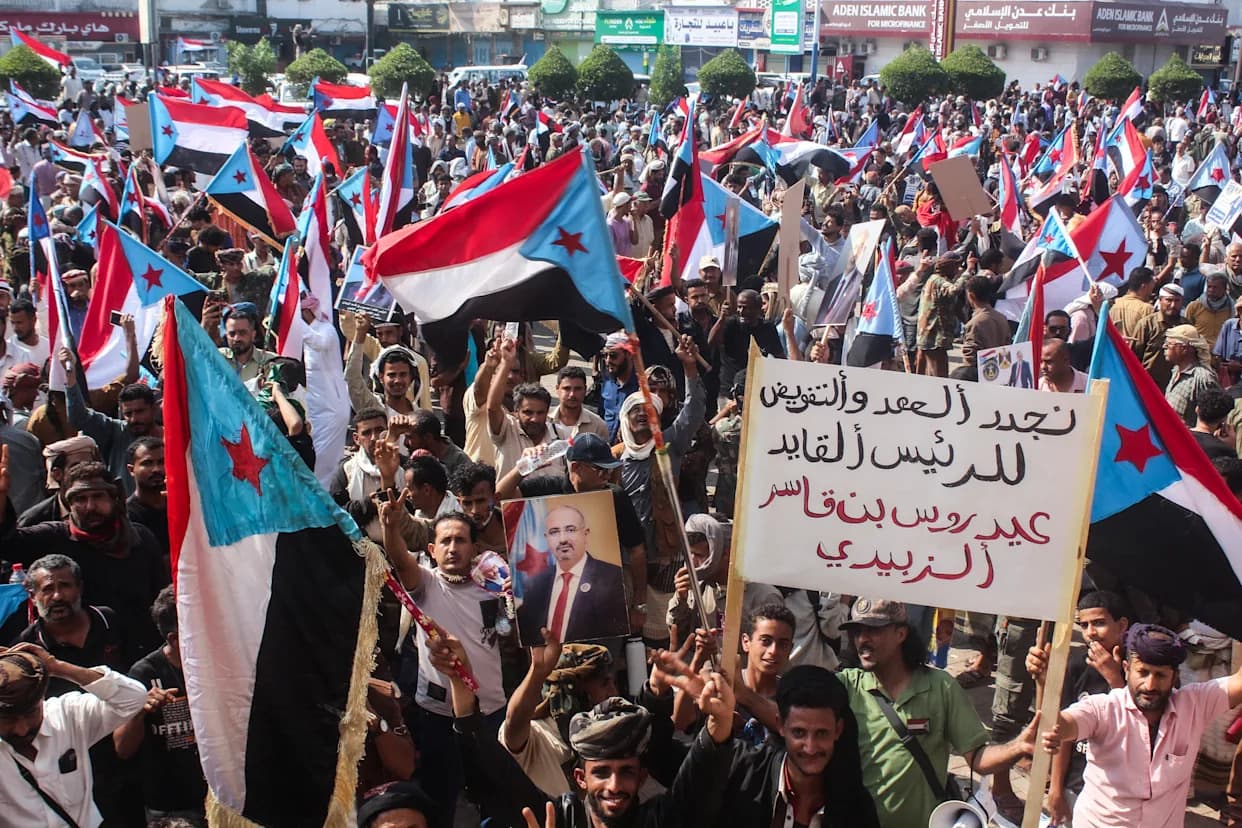
Yemen has been embroiled in a civil war since Iran-backed Houthi rebels seized the capital, Sanaa, in 2014. The conflict has involved regional powers, and recent months have seen tensions between Saudi Arabia and the United Arab Emirates amid clashes between the internationally recognised government and the UAE-backed Southern Transitional Council. Saudi Arabia and the UAE previously joined a coalition fighting the Houthis, a campaign that contributed to a severe humanitarian crisis.
Authorities said the attack aimed to derail security gains and promised 'practical and decisive measures' to restore stability and hold those responsible to account.
Help us improve.