The Associated Press and rights groups report dozens of kidnappings and sexual assaults of Alawite women in Syria since the fall of Bashar al-Assad about a year ago. Amnesty documented at least 36 suspected abductions between February and July in Latakia, Tartous, Homs and Hama. Victims say perpetrators include Sunni extremists and foreign fighters; interim authorities investigated claims but confirmed only one abduction, a finding disputed by monitors. Survivors describe rape, pregnancy and illegal abortions, stigma, divorce and displacement.
After Assad: Dozens of Alawite Women Report Kidnapping and Sexual Violence in Syria

FILE - Members of the Alawite minority gather outside the Russian air base in Hmeimim, near Latakia in Syria's coastal region, March 11, 2025, as they seek refuge there after recent violence and retaliatory killings in the area. (AP Photo/Omar Albam, File)(ASSOCIATED PRESS)
A growing number of women from Syria's Alawite minority say they have been kidnapped and sexually assaulted since the fall of Bashar al-Assad about a year ago, according to interviews and human rights reports. Victims and rights groups say many attacks appear motivated by sectarian hatred and have involved Sunni extremists and foreign fighters.
Victims' Accounts
One woman in her mid-30s told The Associated Press she was seized by three armed men in July near her home on the Mediterranean coast, forced into a van and driven three hours north. She said she was held in an abandoned building, where she was raped twice over several days. She described being passed through checkpoints and held in a location with dozens of armed men. After she was released, she learned she was pregnant and obtained an abortion; her husband later divorced her and remarried.

FILE - Children on the top of an ousted Syrian government forces tank that was left on a street in an Alawite neighbourhood, in Homs, Syria, Dec. 26, 2024. (AP Photo/Leo Correa, File)(ASSOCIATED PRESS)
Other survivors described similar ordeals: a teenager allegedly raped repeatedly for 10 days while held in a basement, and a 19-year-old who said three masked foreign fighters abducted her, beat her and kept her locked in a basement before releasing her under the condition that she "learn about Islam." Many victims and relatives spoke on condition of anonymity out of fear of reprisals.
Scale, Locations and Perpetrators
Amnesty International reported that it received credible allegations of at least 36 abductions of Alawite women and girls between February and July. The reported incidents occurred in the Alawite heartland along the coast—Latakia and Tartous provinces—and in nearby Homs and Hama.
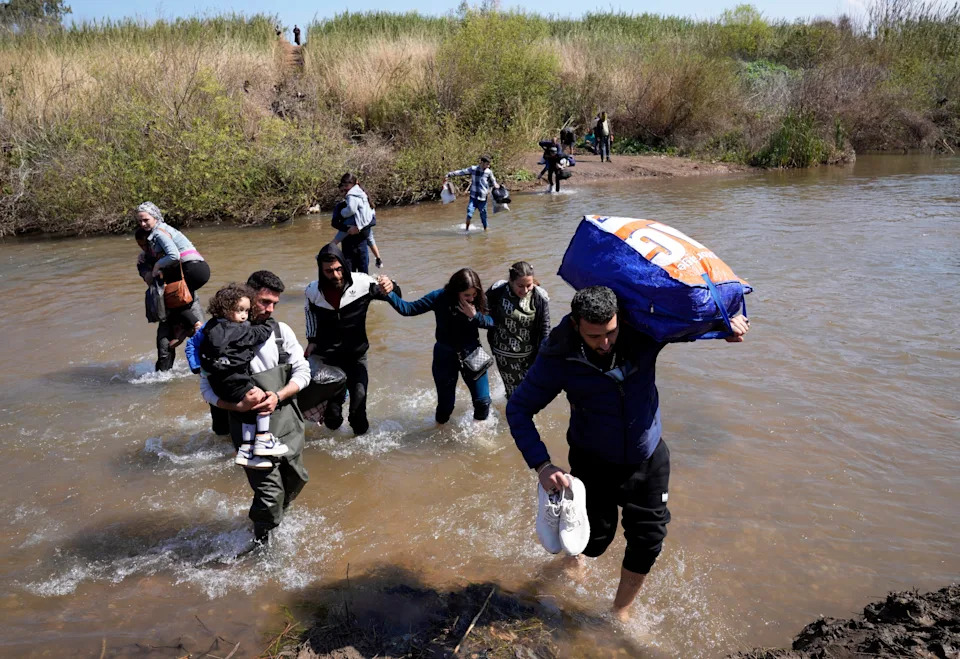
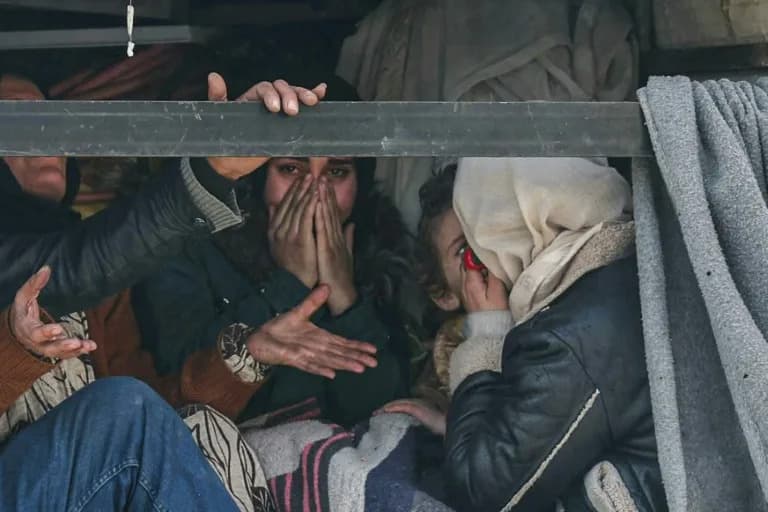
FILE - Syrian Alawite families who fled the clashes in Syria carry their luggage as they cross a river marking the border between Syria and northern Lebanon near the village of Heker al-Daher in Akkar province, Lebanon, March 11, 2025. (AP Photo/Hussein Malla, File)(ASSOCIATED PRESS)
Rights monitors and victims say perpetrators include Sunni extremists and foreign jihadi fighters, some of whom fought alongside Hayat Tahrir al-Sham (HTS) during Syria's civil war. Observers warn that some attackers justify their crimes by viewing Alawites as heretics or by claiming revenge for past abuses during the Assad family's decades in power.
Government Response and Disputes
The interim authorities set up a committee in the Interior Ministry to investigate reported kidnappings. The ministry told reporters it examined 42 cases and confirmed only one as a genuine abduction, saying other claims involved elopements, domestic disputes, blackmail or prostitution. Rights groups and independent monitors—including the Britain-based Syrian Observatory for Human Rights—have strongly disputed the ministry's conclusions and say many cases remain unaddressed.

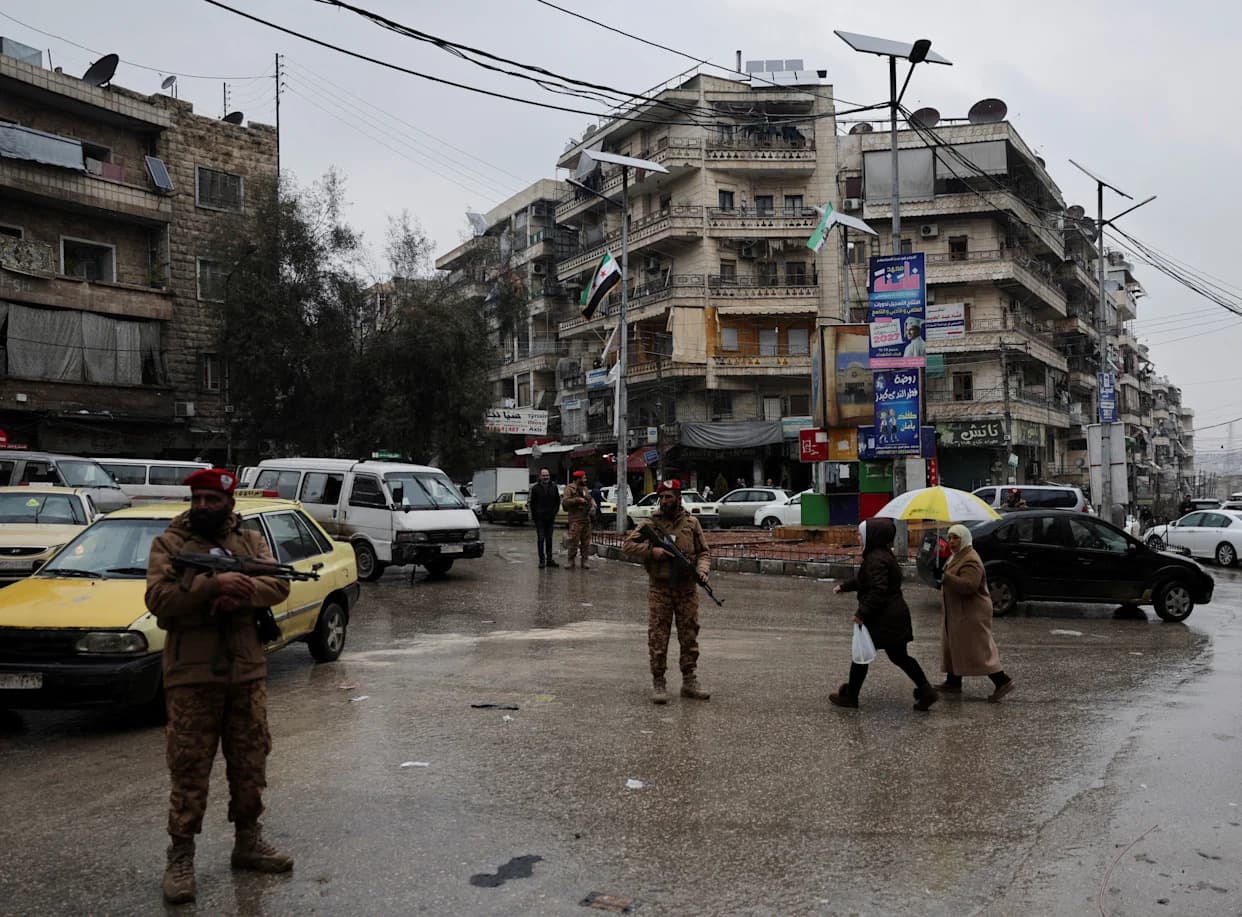
FILE- Syrian security forces inspect vehicles at a checkpoint, following a recent wave of violence between Syrian security forces and gunmen loyal to former President Bashar Assad, as well as subsequent sectarian attacks, in Latakia, in Syria's coastal region, March 11, 2025. (AP Photo/Ghaith Alsayed, File)(ASSOCIATED PRESS)
"The kidnappings cannot be denied," said Agnes Callamard, secretary-general of Amnesty International, urging authorities not to dismiss or downplay the reports because they are disturbing.
Human Cost
Survivors describe lasting physical and psychological harm: sexual violence, unwanted pregnancy and illegal abortions, social stigma, divorce and forced displacement. Several families, fearing retaliation, told the AP they fled Syria. Many victims said they reported the assaults to security officials but received little information about follow-up or arrests.
Context and Concerns
Observers note the attacks recalled the Islamic State's enslavement and mass sexual violence against Yazidi women in Iraq a decade ago, raising fears of sectarian-driven abuses and impunity. Rights groups say more transparent investigations, protections for survivors and independent monitoring are urgently needed to stop further violence and ensure accountability.
Reporting: The Associated Press interviewed victims and relatives, who requested anonymity; additional reporting was contributed by Sarah El Deeb in Beirut and Ghaith Alsayed in Damascus.
Help us improve.