Belgium is resisting an EU proposal to repurpose about €197 billion in frozen Russian assets held at Euroclear, warning that seizure could provoke retaliation from Moscow. The European Commission wants to use the funds as part of a €165 billion package to support Ukraine, but Belgian Prime Minister Bart De Wever seeks legal and financial guarantees to avoid disproportionate liability. EU leaders aim for consensus at the December 18 summit; the Commission may consider invoking Article 122 if Belgium remains opposed.
Belgium Hesitates Over €197B Frozen Russian Assets, Citing Risk Of Kremlin Retaliation

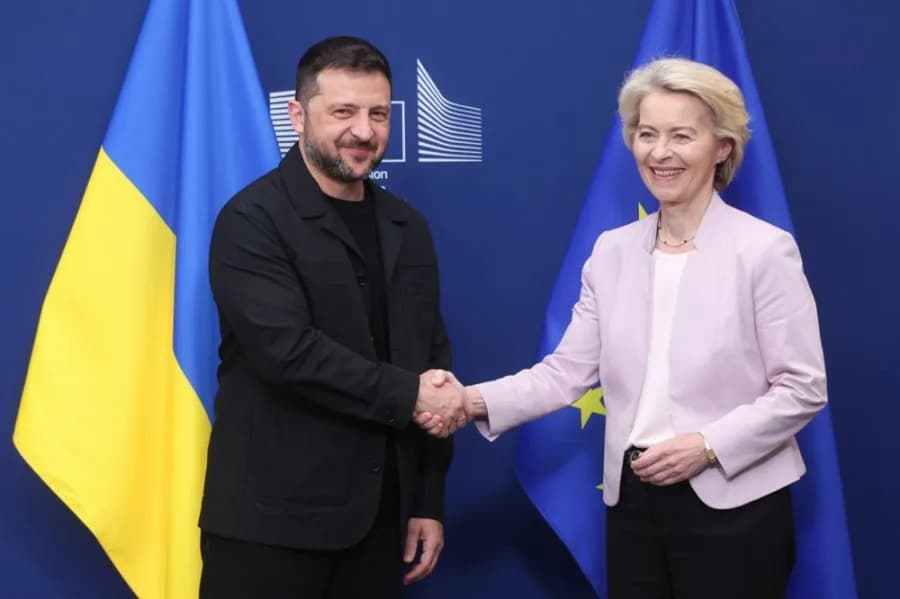
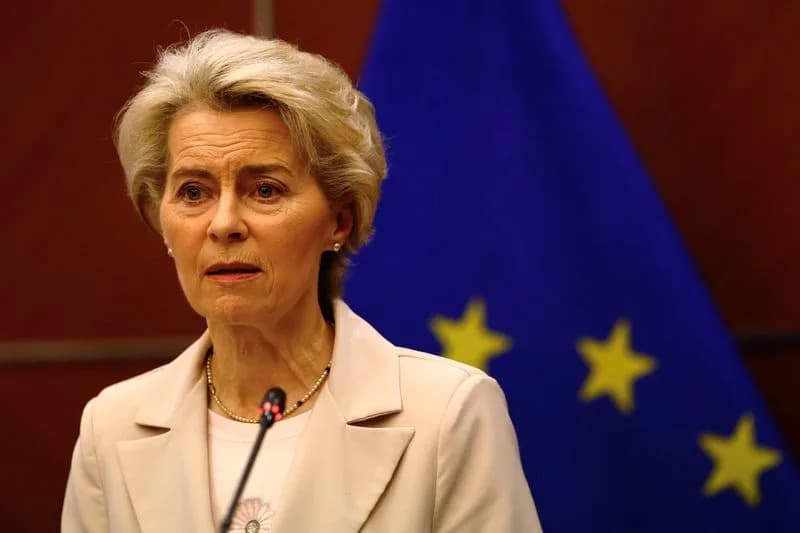
Belgium is resisting a European Commission proposal to transfer roughly €197 billion in frozen Russian assets held at Euroclear to Ukraine, saying the move could invite retaliation from Moscow. European Commission President Ursula von der Leyen and German political leader Friedrich Merz have been engaging Belgian Prime Minister Bart De Wever to secure agreement ahead of a December 18 EU summit.
What’s At Stake
Belgian authorities estimate that about €197 billion (approximately $224 billion) in sanctioned Russian assets are held at Euroclear, the Brussels-based financial clearing house. The Commission has proposed redirecting those funds as part of a €165 billion financial package (roughly $190 billion) to help Ukraine meet budgetary shortfalls and sustain its defense effort.
Belgium’s Concerns
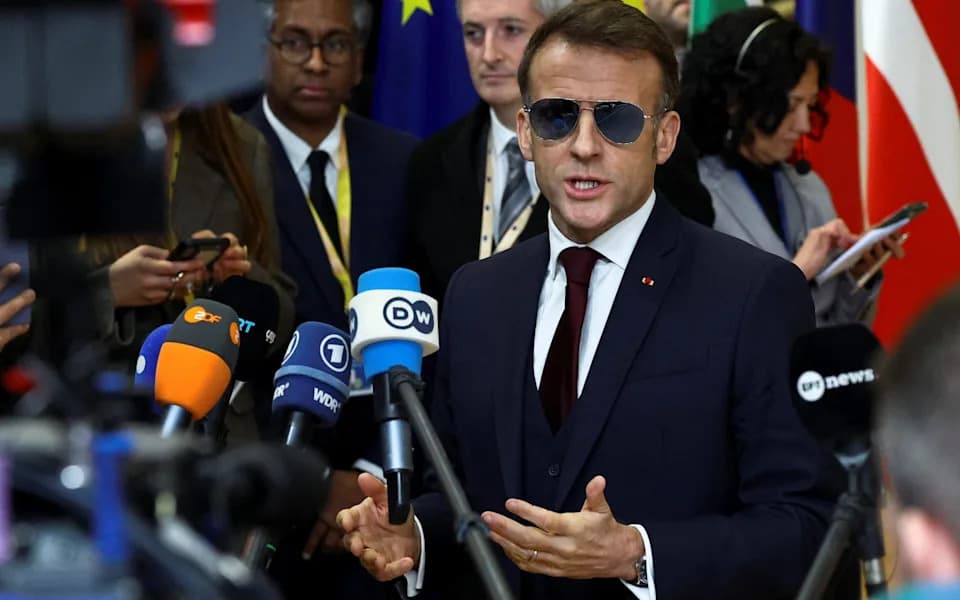
Prime Minister Bart De Wever has warned that confiscating assets could be interpreted by Moscow as an act of war and could prompt a range of retaliatory measures against Belgium. Belgium and Euroclear are seeking legal and financial guarantees from other EU member states before committing to the plan, arguing they should not bear disproportionate risk or potential liability — for example, being forced to repay seized funds if a future negotiated settlement with Russia required compensation.
Diplomatic Pressure And A Tight Timeline
EU leaders face a pressing deadline: Ukraine is projected to run out of available funds for the war by April, and EU heads of state and government will meet on December 18 to agree on financing for the next two years. That timing has prompted multiple high-level visits to Brussels to press Belgium to accept the reparation proposal.
Public Warnings From Moscow
Dmitry Medvedev, deputy head of Russia’s Security Council and former president, warned on X that if the EU "steal[s] frozen Russian assets" for a "reparations loan," Moscow might view it as a casus belli with all relevant implications for Brussels and its allies.
Risks Below The Threshold Of War
Analysts caution that Russia has a portfolio of so-called "gray zone" tools that fall short of open warfare but can inflict political, economic, or security harm. Robert Kremzner of the New Lines Institute highlighted examples such as information operations, cyberattacks, election interference, GPS spoofing, sabotage of undersea infrastructure, and targeted violent acts.
Possible EU Options
The European Commission says it has designed safeguards to protect member states and financial institutions from potential reprisals. If Belgium remains opposed, von der Leyen could consider moving forward under EU treaty mechanisms such as Article 122, allowing action by majority vote — a step that would be politically sensitive.
Requests for comment to the Belgian government and Euroclear were not answered before publication.
Help us improve.