Seth Jones warns in The American Edge that U.S. stockpiles of long‑range missiles could be exhausted "after roughly a week or so" in a conflict over Taiwan, revealing serious U.S. industrial shortfalls. He stresses that production capacity — not just innovation — will decide prolonged wars, highlights a U.S. advantage in undersea warfare, and calls for urgent procurement, shipbuilding, and AI integration reforms.
Top Security Expert Warns U.S. Could Exhaust Long-Range Missiles Within A Week If War With China Breaks Out

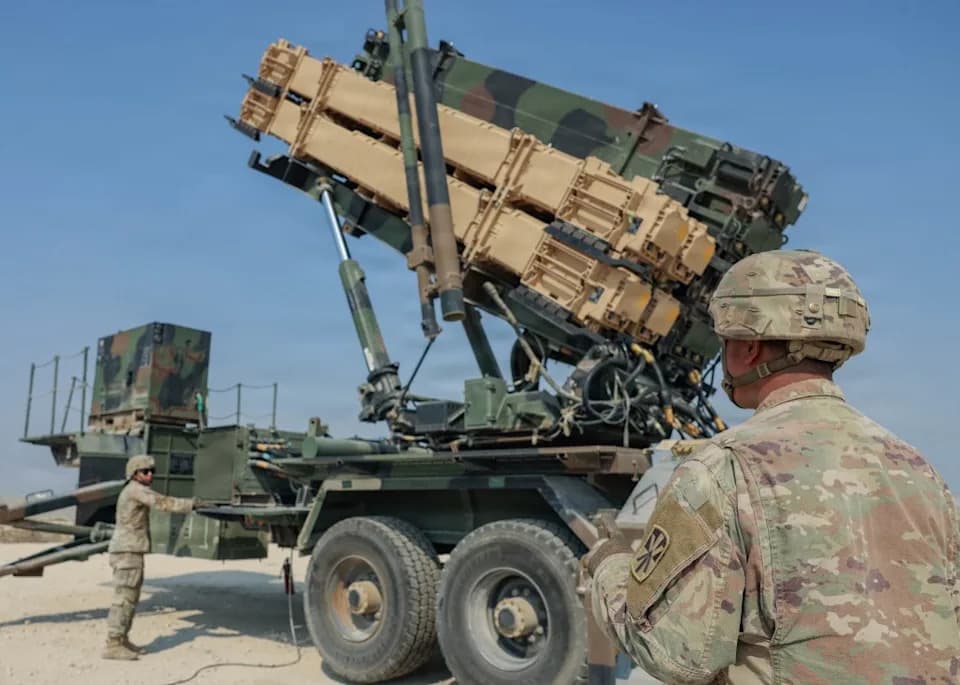
Defense analyst Seth Jones warns in his new book The American Edge that the United States could deplete critical long-range missile stocks "after roughly a week or so of conflict" in a war over Taiwan — a shortfall he says exposes serious weaknesses in America’s defense industrial base as China adopts a near‑wartime posture.
Why Jones Is Alarmed
Jones, a former Pentagon official and head of the Defense and Security Program at the Center for Strategic and International Studies (CSIS), argues that today’s U.S.–China competition is the most consequential strategic rivalry the United States has ever faced. He contrasts China’s integrated, globally connected economy with the isolated and brittle Soviet system, and says Beijing’s economic weight is enabling mass production across military domains.
“The gap is shrinking,” Jones writes, noting rapid Chinese advances from advanced aircraft to an expansive shipbuilding effort he describes as "upwards of 230 times the size of the United States."
Production, Not Just Innovation
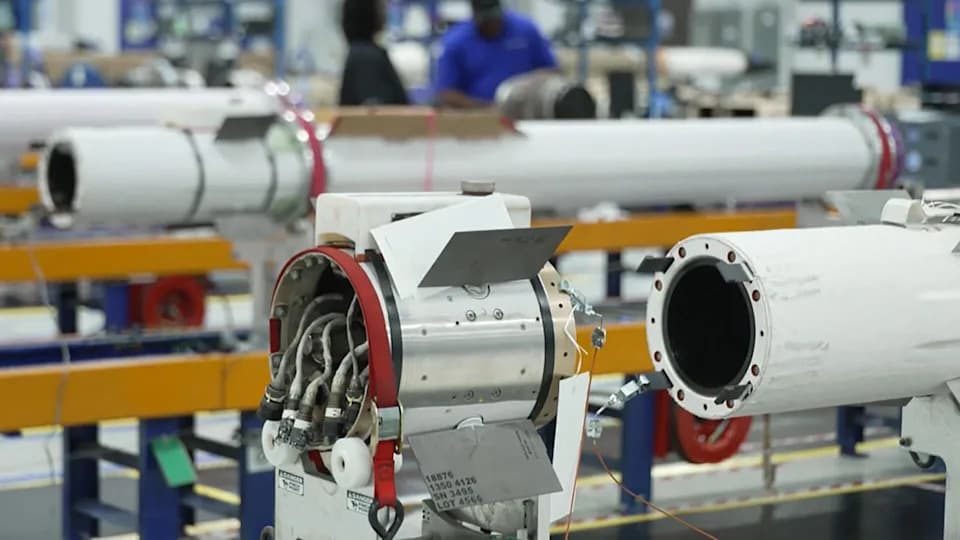
In The American Edge, Jones emphasizes that prolonged wars are often decided by production capacity as much as by technological edge. China has fielded a broad array of long‑range missiles designed to threaten U.S. ships and aircraft far from Taiwan, making stockpile size and production throughput central to any American strategy in the Indo‑Pacific. Jones warns current U.S. munitions stockpiles would not sustain a protracted conflict.
U.S. Advantages — And Limits
Jones highlights one notable U.S. advantage: undersea warfare. He says Beijing still struggles with undersea sensing and anti‑submarine warfare, which could allow U.S. attack submarines and unmanned underwater vehicles to threaten any Chinese attempt at an amphibious crossing or blockade of Taiwan. At the same time, Jones points to persistent weaknesses in the People’s Liberation Army (PLA), including corruption, inefficiencies at state‑owned firms, joint‑operations challenges, and limited power projection beyond the first island chain.
What Needs To Change
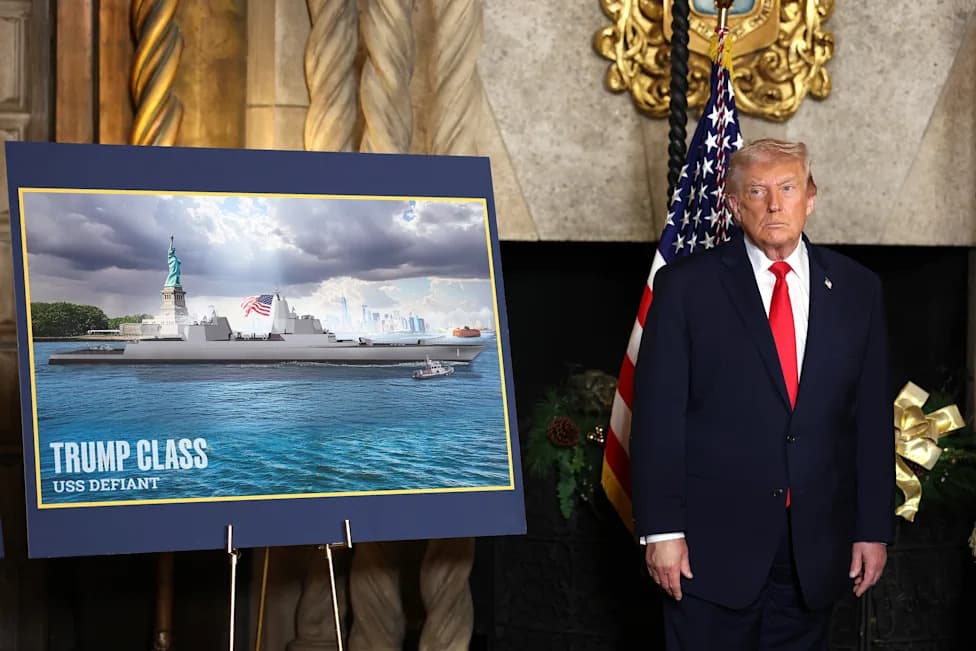
Jones argues the U.S. defense industrial base is hampered by long acquisition timelines, aging shipyards, complex contracting rules, and production lines not sized for great‑power conflict. He calls for urgent reforms: multiyear procurement for key munitions, streamlined contracting, larger procurement budgets, expanded shipbuilding capacity (including allied shipyards), and faster integration of commercial artificial intelligence capabilities.
He gives cautious credit to recent Pentagon reforms — including rapid‑acquisition offices in the Army, Air Force, and Navy and provisions in the latest National Defense Authorization Act — but warns the scale of change required is far greater. "The Pentagon writ large is a massive bureaucracy," he says. "There’s been some progress, but it’s trench warfare right now."
AI And Industrial Urgency
Jones also stresses that artificial intelligence will reshape battlefield sensing and decision‑making faster than many expect. He urges closer collaboration between the Pentagon and commercial AI leaders such as Nvidia and Google to handle high‑volume threats like swarming missiles and drones and to process vast satellite and sensor datasets for surveillance and intelligence.
Bottom line: Jones believes the United States still has time to rebuild its industrial advantage, but only if it acts quickly to accelerate production, invest more in procurement, and adopt a genuine "wartime footing." He warns China already appears to be operating at that level of urgency.
Help us improve.