President Xi Jinping’s anti-corruption purge of the PLA — including the Rocket Forces and senior commanders such as General Zhang Youxia — combines a drive to eliminate graft with a push to modernise China’s military. U.S. intelligence in 2024 exposed serious shortcomings in some missile silos, accelerating leadership changes. Analysts say Xi seeks credible military options on Taiwan by the late 2020s while concentrating authority at the top and increasing defence spending to support rapid modernisation.
Xi’s Anti-Corruption Drive Reshapes PLA as Beijing Builds Military Options on Taiwan
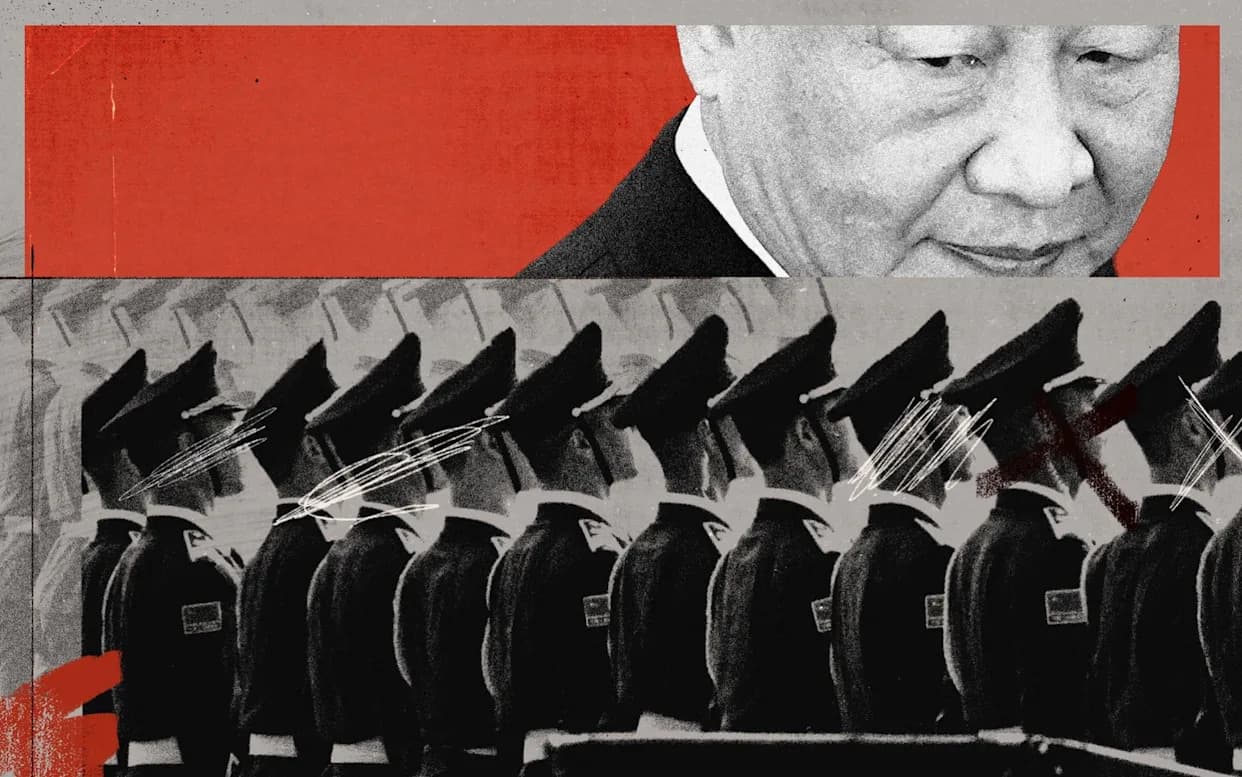
Xi purge
At the press of a button, missile-silo lids in western China should rise to allow the launch of weapons capable of reaching the United States. But U.S. intelligence published in 2024 concluded some silo construction materials were inappropriate and that some missiles contained water rather than fuel — a finding that deeply embarrassed Beijing and helped trigger a sweeping shake-up of the Rocket Forces leadership.
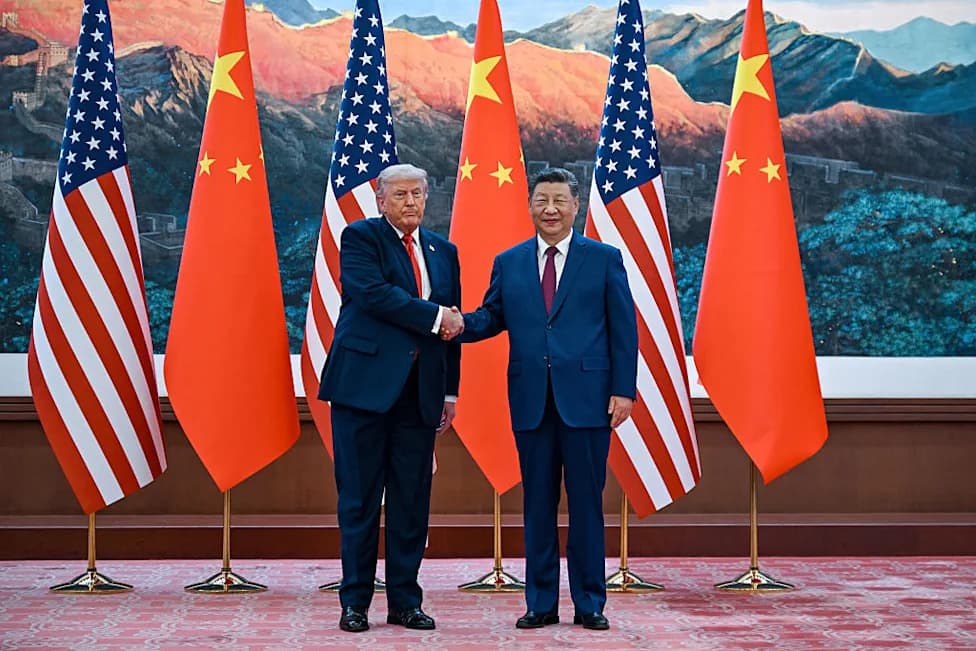
That personnel purge sits within a broader, long-running campaign by President Xi Jinping to root out corruption across the People’s Liberation Army (PLA), reassert political control and accelerate a sweeping modernisation of China’s armed forces. In recent months Mr Xi has removed senior commanders, including General Zhang Youxia, the PLA’s highest-ranking uniformed officer and a childhood acquaintance of the president.
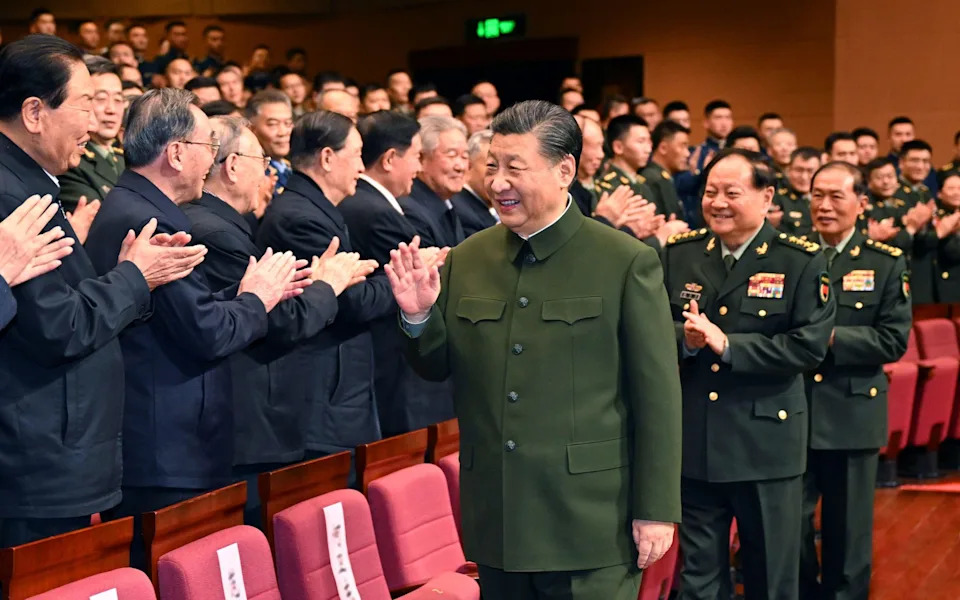
Gen Zhang Youxia, the highest-ranking uniformed commander in the PLA, was ousted last week - Xinhua / Alamy
Why the Purges Matter
Analysts say the anti-graft drive serves multiple aims. It targets financial malfeasance that can hollow out operational readiness and also enforces political loyalty to Xi as chairman of the Central Military Committee (CMC). The campaign has concentrated power at the very top: publicly visible CMC membership has been reduced to Mr Xi and Zhang Shenmin, who leads the military anti-corruption apparatus.
“In its scope and scale, it’s breathtaking,” said Jonathan Czin, a former CIA China analyst. He added that the effort signals focus on operational issues rather than distraction.
Observers warn that purges can cut away institutional experience. Some critics argue that removing large numbers of senior officers risks eroding the expertise needed for complex, multi-domain operations. Supporters counter that the clean-out was necessary to break patronage networks that had long undermined promotions, procurement and training.
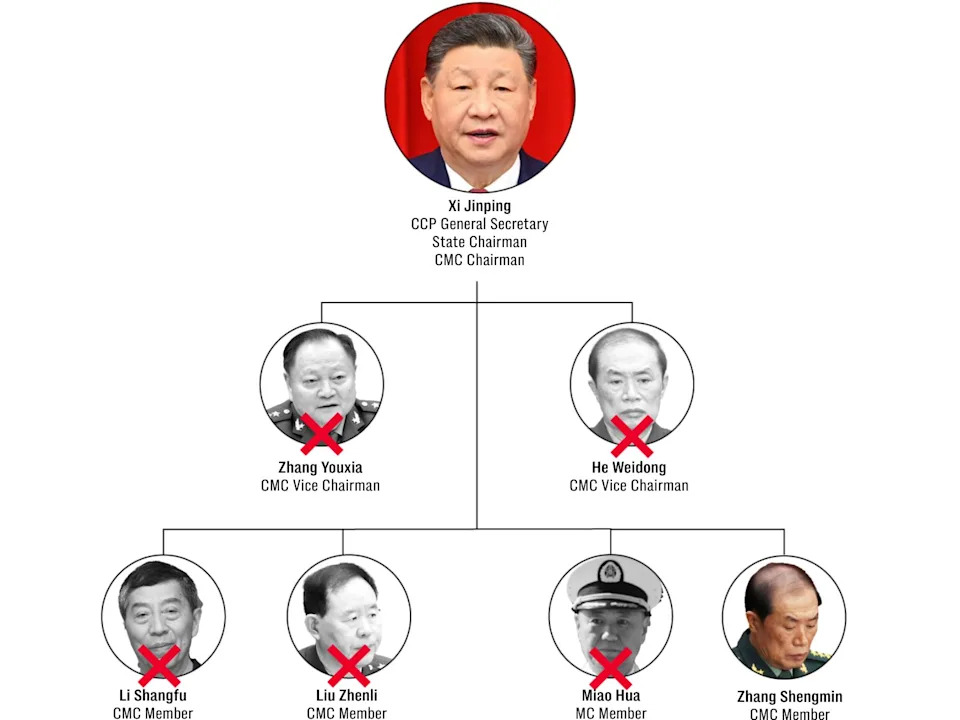
3001 Xi\'s Central Military Commission purge
Modernisation, Spending and the Taiwan Question
Beyond anti-corruption, Xi’s aim is to transform the PLA into a modern, joint force able to support a range of options on Taiwan. Some Western assessments cited by analysts project that Beijing wants credible military options by as early as 2027 and aspires to be the world’s leading military power by 2049.
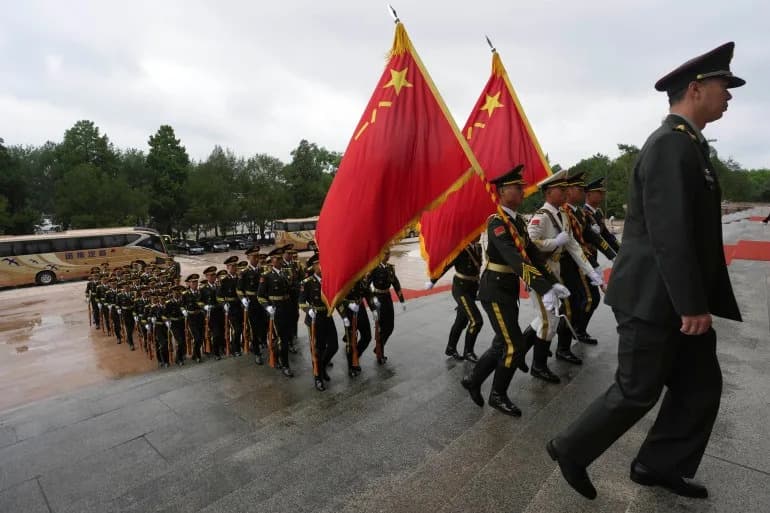
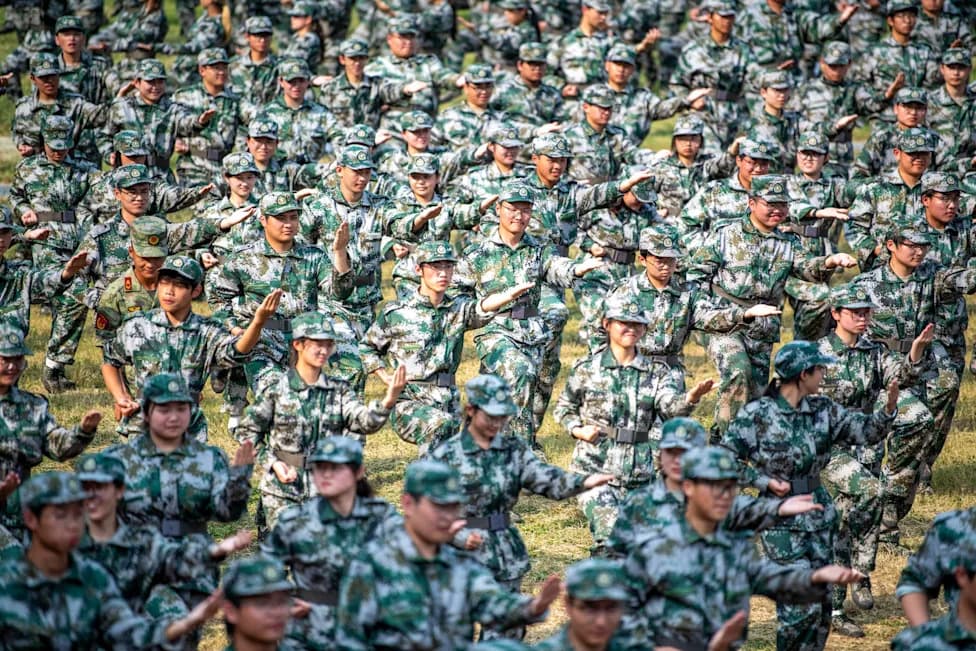
Since 2015, defence reforms have included a 300,000-person reduction in army size, reorganisation of command structures, and heavy investment in naval, air, missile, cyber and space capabilities. The official defence budget is approximately $250 billion, though independent analysts believe the true figure is higher because some spending remains off-budget.
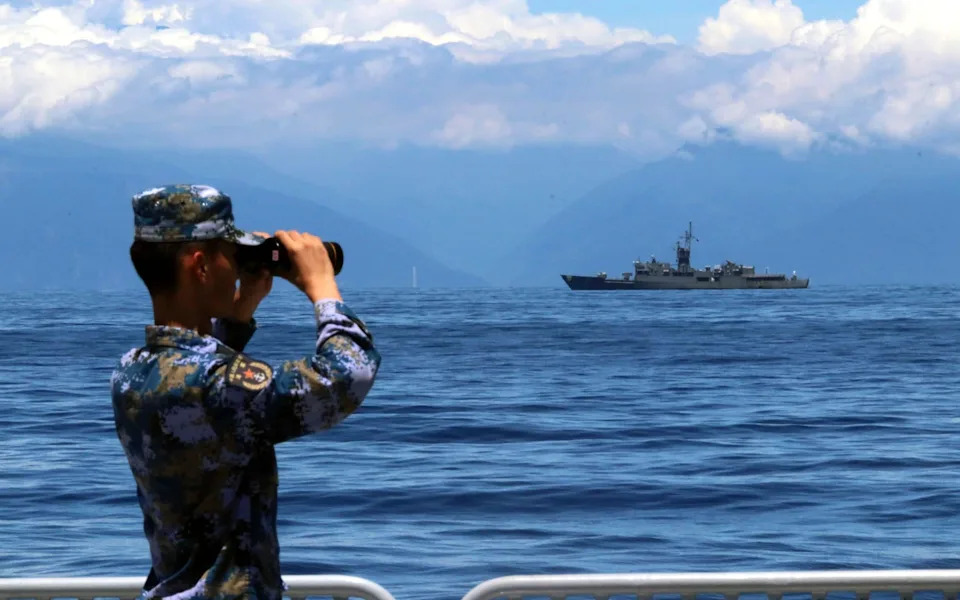
China is holding drills in waters around Taiwan - Lin Jian/Xinhua
U.S.-style intelligence disclosures and the removal of Rocket Forces leadership demonstrate the reputational and operational risks Xi is trying to eliminate. At the same time, China has continued to hold large-scale exercises around Taiwan — including the largest drills on record following a November purge of senior officers linked to the Eastern Theatre Command.
Balancing Options and Risks
Analysts emphasise that political reunification by peaceful means may still be preferred by Beijing, given the enormous human and economic costs of an invasion and the uncertain international response. But most agree Xi wants firm military options — and is willing to enforce discipline ruthlessly to ensure the PLA meets the timetable and standards he demands.
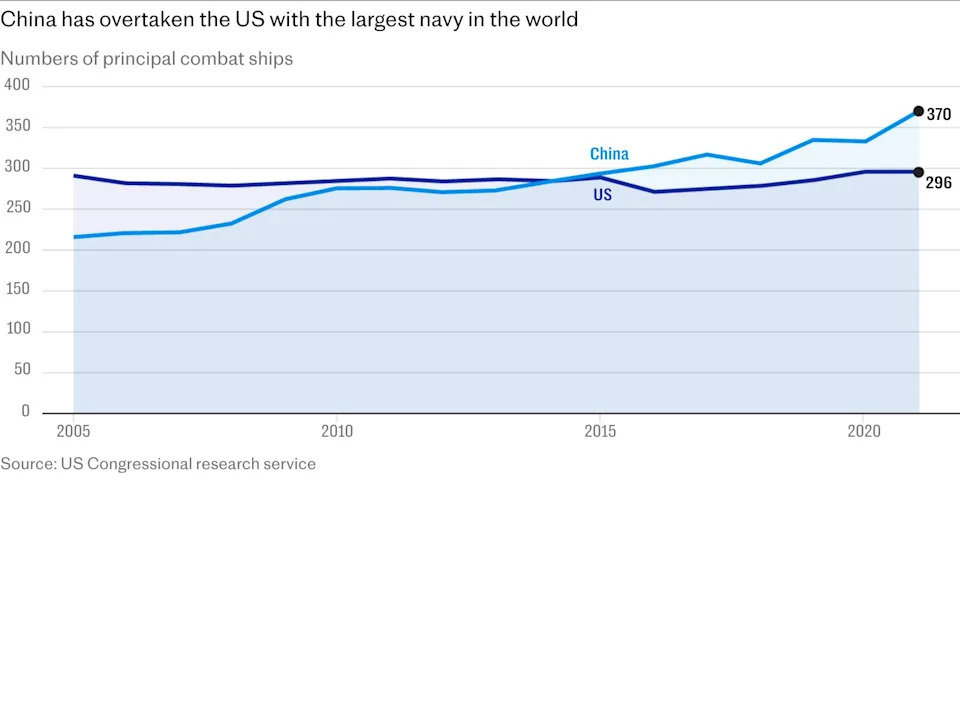
0810 China under Xi - largest navy
In short, the anti-corruption campaign functions both as a tool to remove graft that could degrade capability and as an instrument to ensure loyalty and accelerate reform. The outcome is a PLA that is visibly more modern and better resourced, but also more tightly controlled from the top — with potential long-term trade-offs in institutional depth and professional autonomy.
Implications: Continued purges and increased spending are likely to keep China’s military on a fast modernisation track while concentrating decision-making power in Xi’s hands. That dual trend will be central to how Beijing approaches Taiwan and broader regional strategy in the coming years.
Help us improve.