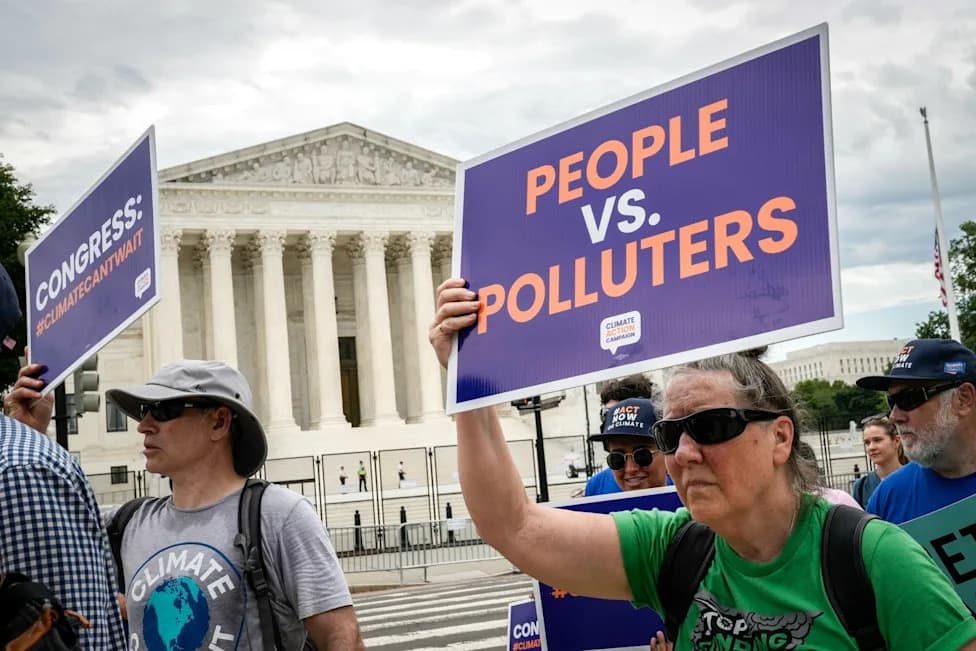
Residents near a shuttered steel mill in Conshohocken, PA, mobilized to block a proposed data center, citing noise, light, pollution and higher electricity bills. Analysts say community opposition delayed or canceled 20 projects worth nearly $100 billion in Q2. The backlash is bipartisan and has already shaped local and state races, suggesting the rapid expansion of AI-related infrastructure could face growing political and practical constraints.
Local Backlash Is Slowing the U.S. Data-Center Boom — A Conshohocken Case Study

For more than a century a steel mill in Conshohocken, a Philadelphia suburb, anchored the town's industrial economy. After its original owner went bankrupt in the 1970s the plant changed hands several times and was idled indefinitely last summer. A developer then proposed converting the site into a large data center, arguing the facility would repurpose 19th-century industrial land for 21st-century technology.
Local Fight in Conshohocken
At an October meeting of the Plymouth Township Planning Agency, developer Brian O'Neill presented the project as an economic win. He told planners the facility would generate about $21 million a year in revenue and, in his words, bring "no traffic, no kids in the school system, nothing but cash flow." The developer did not respond to requests for further comment.
For residents around data centers, there’s just no positive.
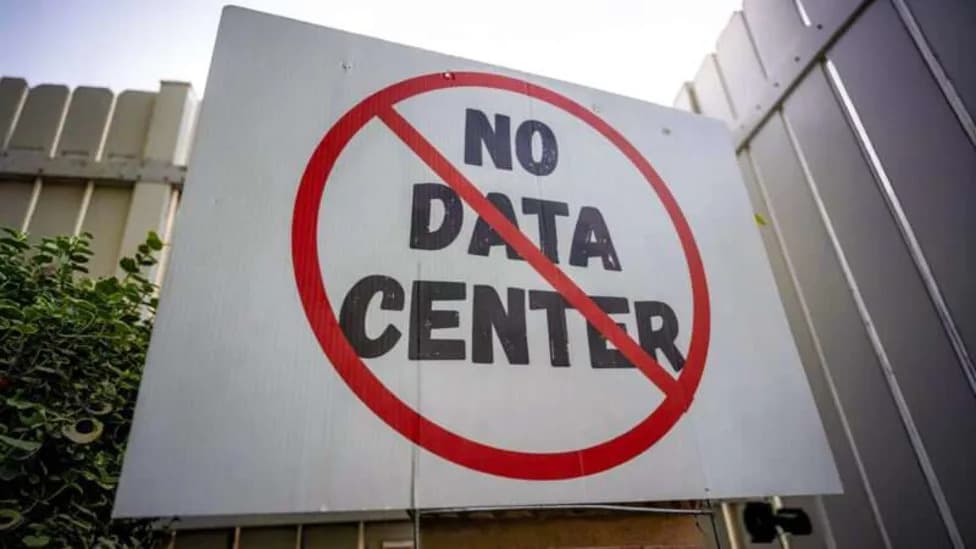
Neighbors such as Genevieve Boland and her roommate Patti Smith quickly organized after learning of the proposal. They posted flyers, mobilized on local Facebook pages, and rallied nearby residents around concerns about noise, light, and air pollution — and especially rising electricity costs.
Why Residents Worry
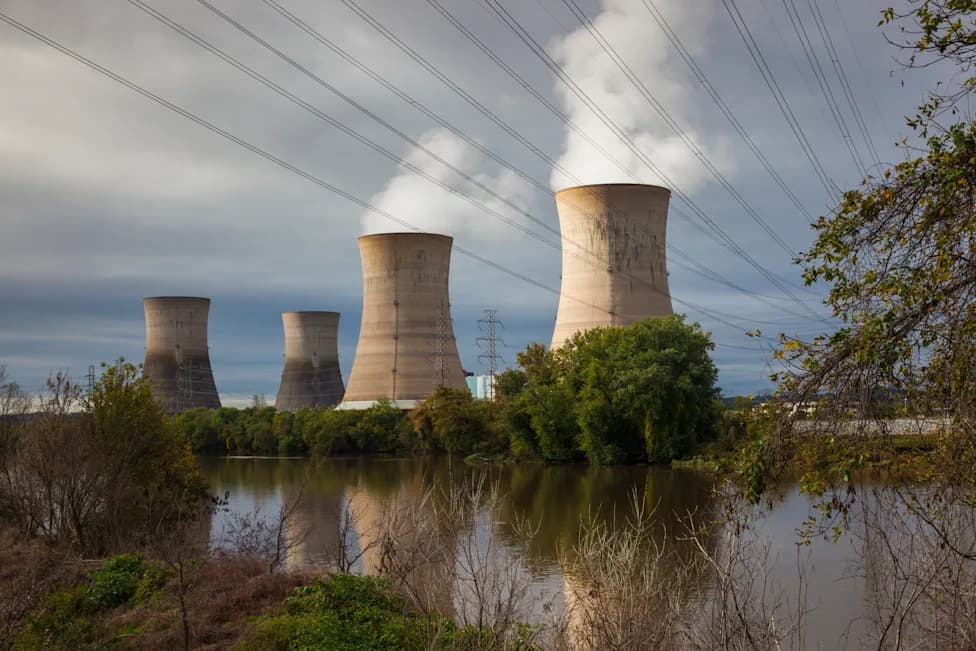
Data centers are power-hungry facilities. Pennsylvania sits inside a regional electricity grid that has absorbed a surge of new data centers in recent years. Nearby states have already seen consequences: electric bills rose roughly 20 percent in New Jersey last year, a spike that became a central issue in that state's governor's race.
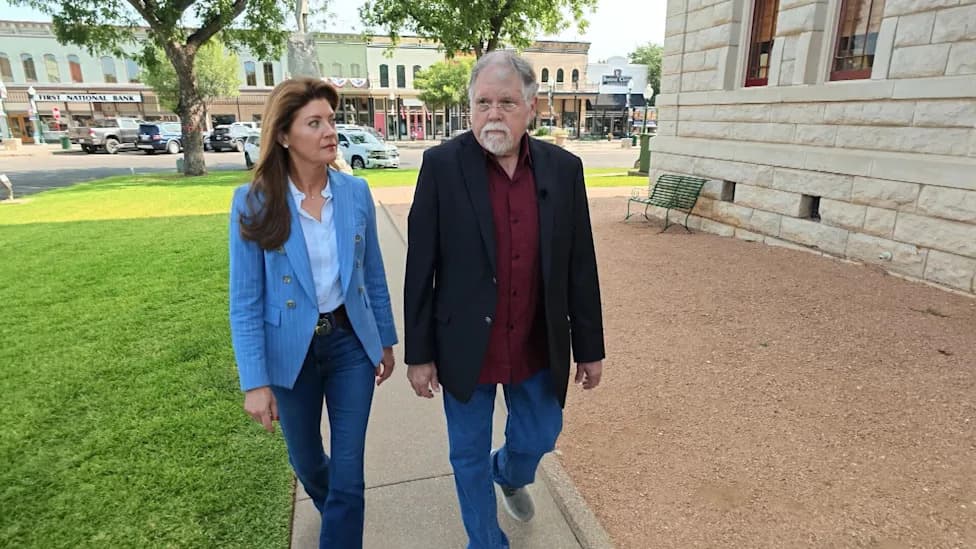
Local residents worried that rapid data-center buildouts could drive up utility rates, strain infrastructure, and change neighborhoods that thought they were insulated from heavy industrial use. "Obviously our utilities are going to skyrocket and I don't want to see that happen," said local resident Mark Musial.
Growing, Bipartisan Political Pushback
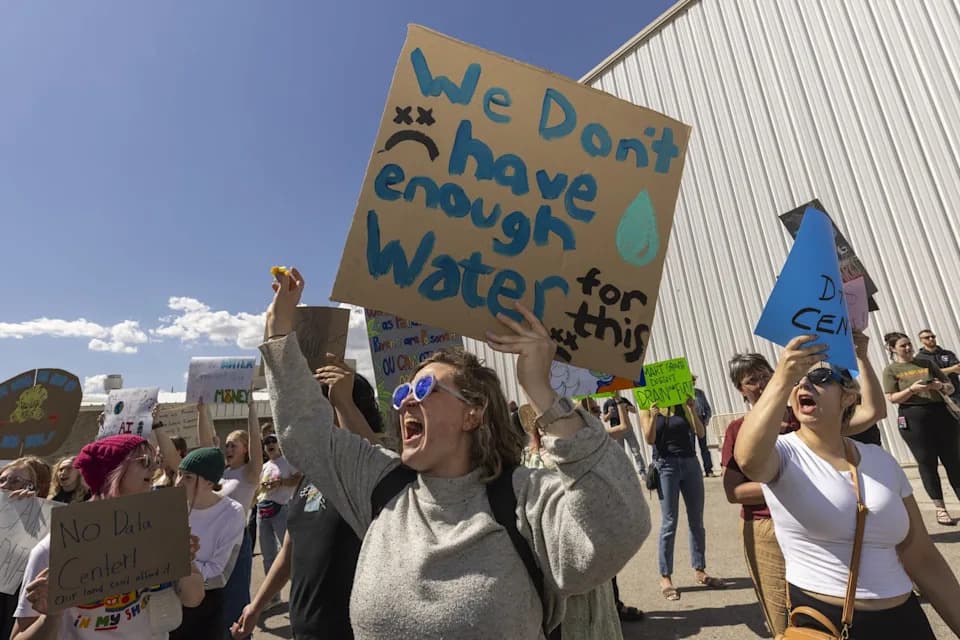
The backlash against data centers is spreading beyond Conshohocken. Data Center Watch, a monitoring project run by analysts at 10a Labs, reported that in the second quarter of this year 20 data-center projects worth nearly $100 billion were delayed or canceled after community opposition.
Analysts say the opposition is bipartisan. Miquel Villa of 10a Labs noted that resistance has appeared in both red and blue states. The issue has influenced state and local contests: Democratic candidates in New Jersey and Virginia included criticism of data-center growth in their winning messages, and in Georgia two Democrats won seats on the State Public Service Commission amid voter concerns about rising utility bills.
Virginia — home to the world's largest concentration of data centers — saw multiple local races where the buildout was a dominant topic. Democrat John McAuliff, who campaigned to flip a Northern Virginia state assembly seat, said more than two-thirds of his voter conversations touched on data centers.
What Happened Next In Conshohocken
Last month the developer abruptly withdrew the application for the Conshohocken project after the proposal ran into a legal complication. Boland and Smith say they're relieved but not finished: they've connected with organizers in other communities and Boland launched a website to coordinate statewide resistance. "Data centers everywhere, data centers in your backyard — it's not inevitable," Boland said.
Why This Matters
As artificial intelligence and cloud computing expand, demand for data-center capacity will continue to rise. But these local fights show that the buildout faces social, political, and infrastructural limits: concerns about power costs, environmental impacts, and local quality of life can stall or stop megaprojects. Developers and elected officials who treat these projects as purely economic wins may find communities pushing back — and elections reflecting those concerns.
Help us improve.