The National Park Service has updated its 2026 free-admission calendar, adding President Trump’s June 14 birthday while removing Martin Luther King Jr. Day and Juneteenth as waived-fee dates. The revised schedule also adds several federal holidays and commemorative dates, and drops a number of conservation and public-lands observances. Separately, a Department of the Interior proposal would limit fee waivers to U.S. residents and impose a $100 surcharge at 11 top parks for international visitors.
NPS Revamps Free-Admission Calendar: Trump’s Birthday Added; MLK Day and Juneteenth Dropped

National Park Service Rewrites Waived-Fee Calendar for 2026
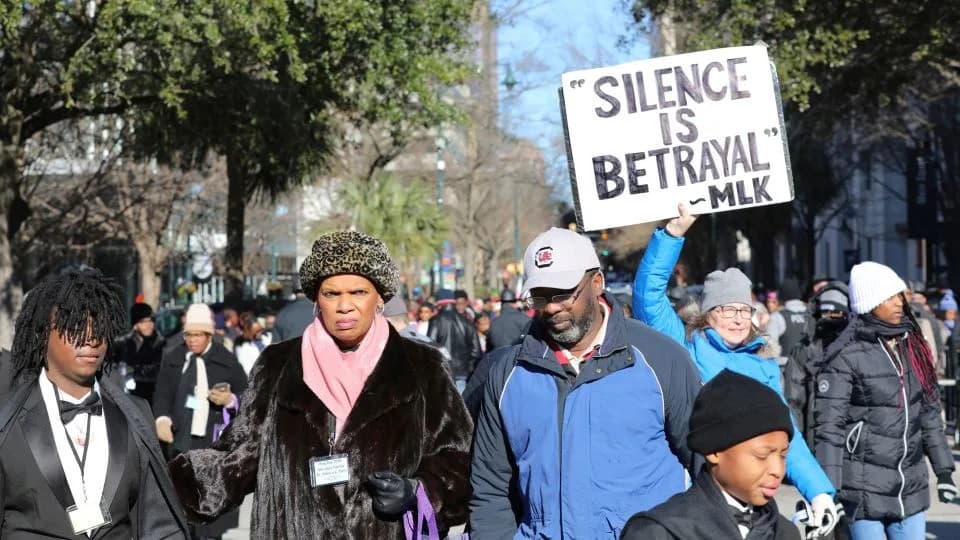
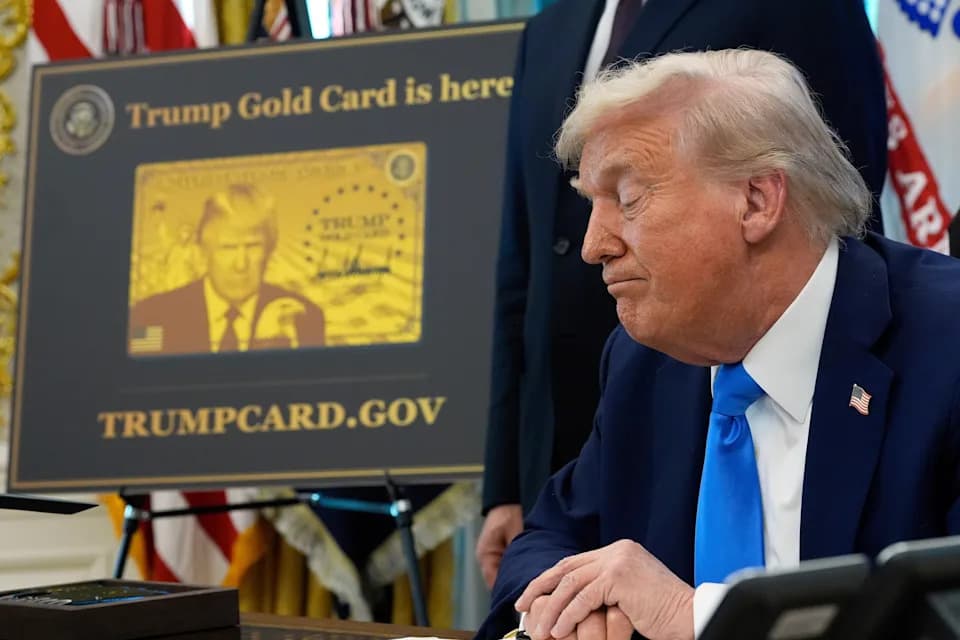
The National Park Service (NPS) has revised its annual schedule of free-admission days for 2026, adding President Donald Trump’s birthday (June 14) while removing several long-standing fee-waived observances, including Martin Luther King Jr. Day and Juneteenth.
What’s Being Added
Under the updated calendar, the NPS will waive entrance fees on the following dates in 2026:
- President Trump’s birthday / Flag Day (June 14)
- Presidents’ Day
- Memorial Day
- Three days over the July 4 weekend
- NPS 110th birthday (August 25)
- Constitution Day (September 17)
- Theodore Roosevelt’s birthday (October 27)
What’s Being Removed
The revised schedule removes these previously recognized free days:
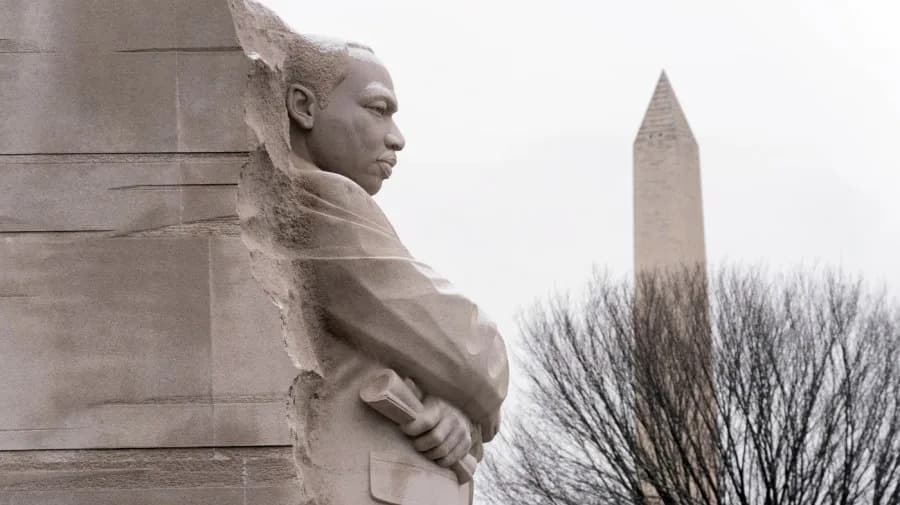
- Martin Luther King Jr. Day
- Juneteenth (added as a free day in 2024)
- First day of National Park Week
- Bureau of Land Management’s birthday
- Great American Outdoors Day
- National Public Lands Day
- First Sunday of National Wildlife Refuge Week
Veterans Day will remain a waived-fee day.
Who Qualifies For Free Admission?
The free-admission days under the new calendar will apply to U.S. residents only, reflecting a separate Department of the Interior proposal described as an “America-first” fee structure. Under that proposal, effective January 1, 2026, international visitors would pay the standard entrance fee plus an additional $100 at 11 of the most-visited parks. The annual park pass for non-U.S. residents would be set at $250, compared with the $80 pass for U.S. residents.
Administration officials have framed the changes as part of broader policy shifts, including scrutiny of diversity, equity and inclusion (DEI) initiatives. Earlier this year, on Juneteenth — the oldest annual U.S. observance marking the end of slavery — President Trump criticized the number of what he called “non-working holidays,” saying they cost the country significant sums.
Context And Conservation Notes
The decision to add Theodore Roosevelt’s birthday highlights the administration’s emphasis on presidents associated with conservation: Roosevelt is often credited with greatly expanding the national park system during his presidency. The NPS said the changes reflect its updated calendar of waived fees for 2026; the Interior Department’s separate proposal would determine which visitors qualify for those waivers.
What To Watch: The fee changes affecting non-U.S. residents are currently a Department of the Interior proposal; implementation details and final rules should be confirmed with the NPS and DOI before travel plans are made.
Help us improve.