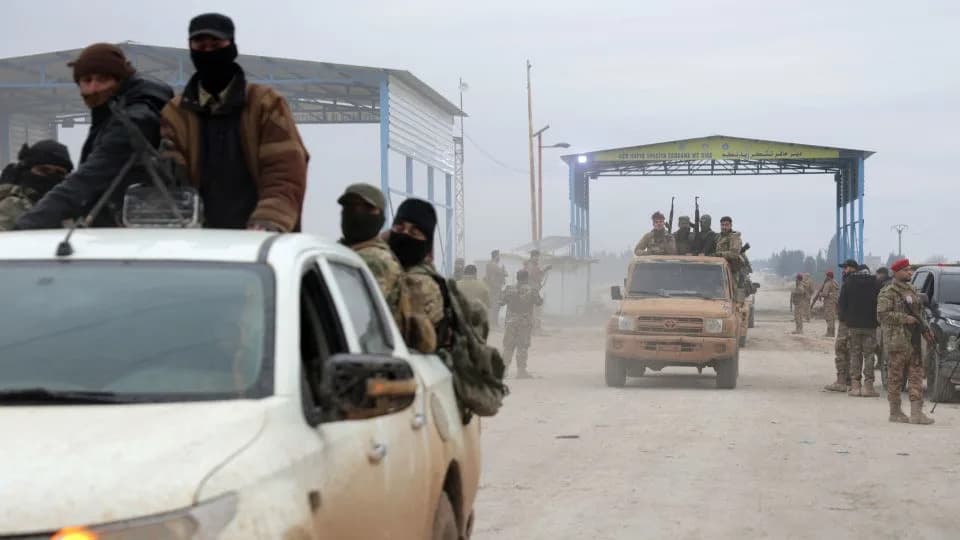
One year after pro-Assad forces were driven from Hama, the city is celebrating with hope and caution. Rebels led by Ahmed al-Sharaa captured Hama on December 5, 2024, and soon after took Damascus, ending Bashar al-Assad’s 24-year rule. The jubilation is tempered by the memory of Hama’s 1982 massacre and by ongoing sectarian violence and foreign strikes that continue to threaten stability.
Hama Marks One Year of Liberation: Streets Filled With Hope — and Caution

Hama Marks One Year Since Assad Loyalists Were Driven Out
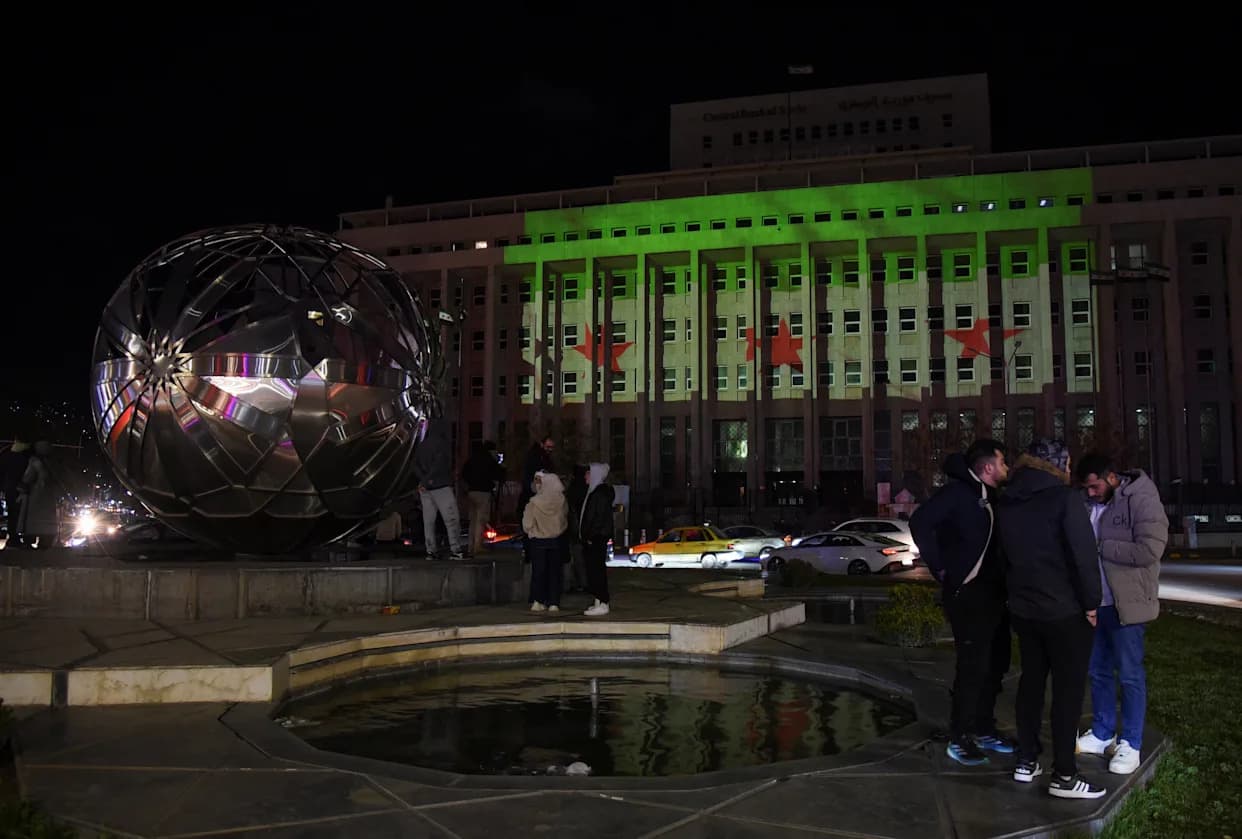
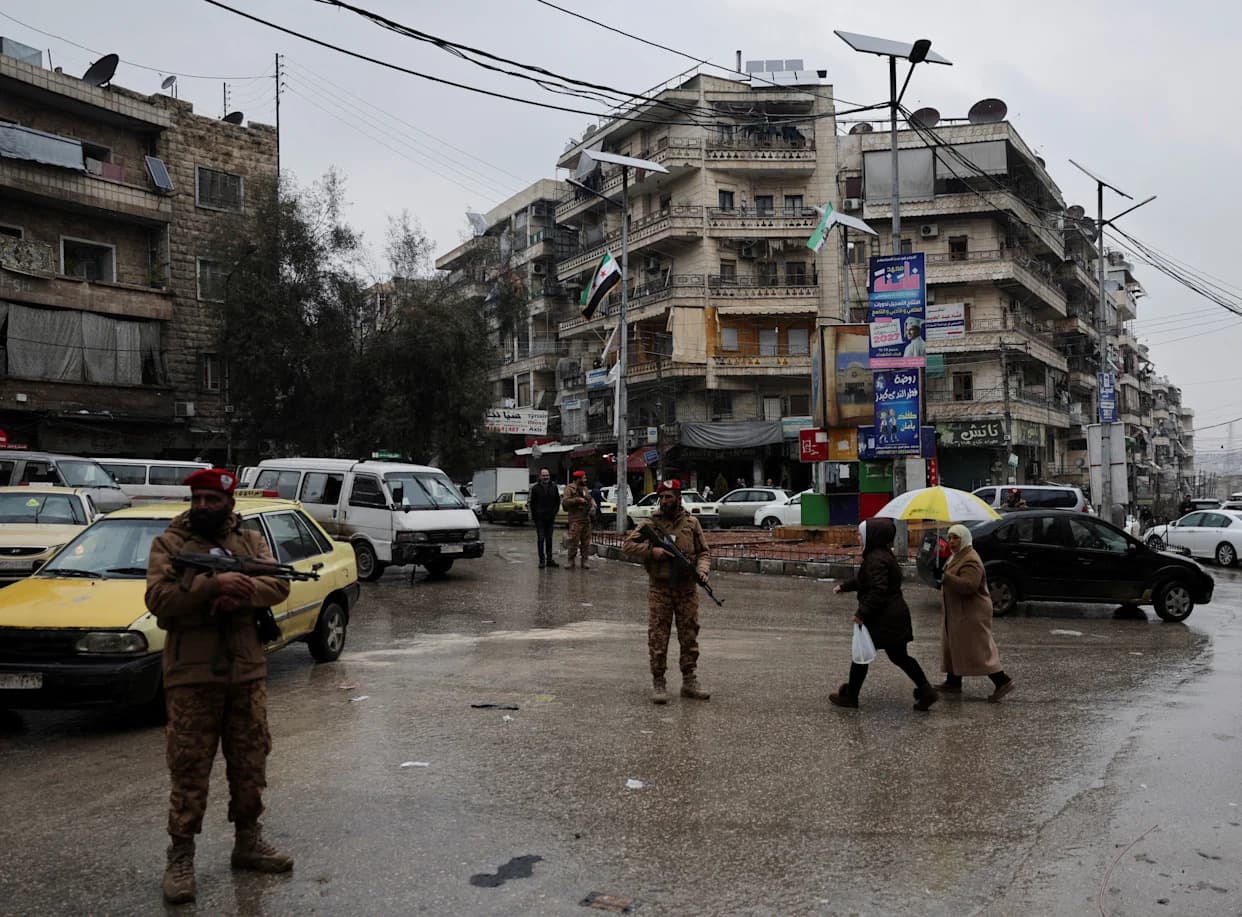
Thousands poured into the streets of the central Syrian city of Hama to mark one year since forces loyal to Bashar al-Assad were expelled — an event that preceded the longtime ruler’s removal from power. Reporters at the city’s al-Assi Square described scenes of jubilant crowds waving flags, singing and chanting as families celebrated what many hope is a turning point for the country.
“There is hope for the future,” Al Jazeera’s Assed Baig said, reporting that balconies and rooftops were full of people marking the anniversary.
How Events Unfolded
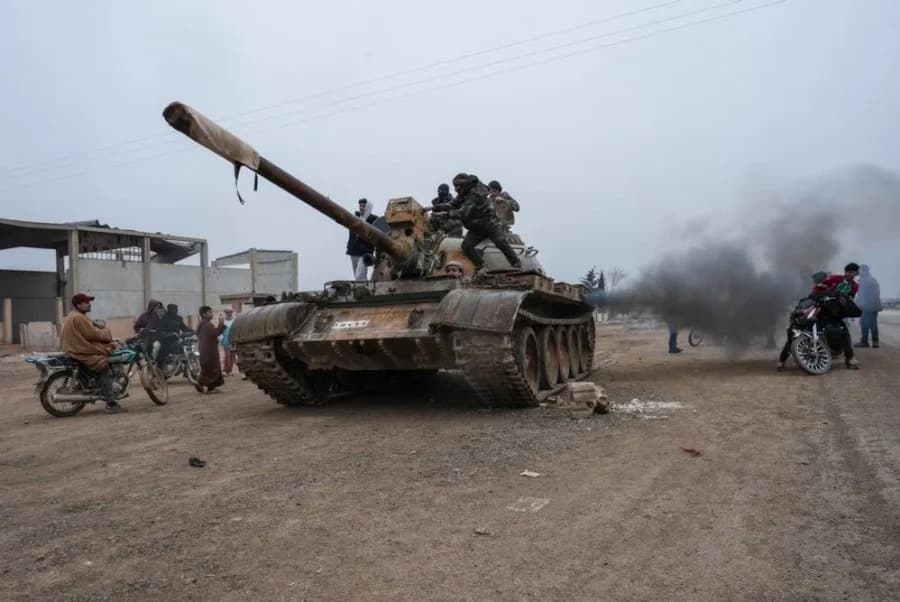
On December 5, 2024, rebel forces led by Ahmed al-Sharaa seized Hama as part of a rapid offensive toward the capital. Days later they captured Damascus, ending Bashar al-Assad’s 24-year rule and prompting the deposed president to flee to Russia, according to contemporary accounts.
Historical Pain and Present Celebrations
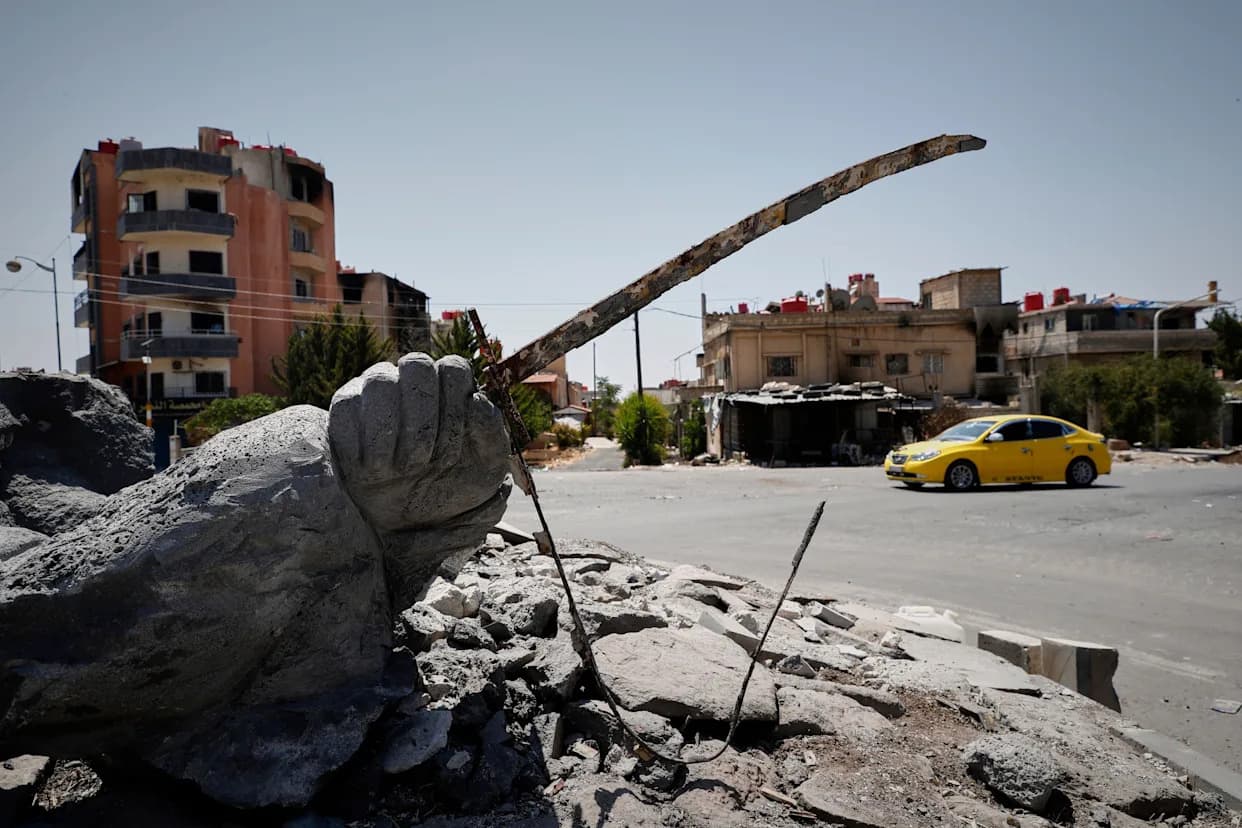
Hama’s celebrations carry particular resonance because of the city’s traumatic history. In 1982, Hama endured a brutal crackdown under then-President Hafez al-Assad. Government forces besieged and bombed districts and carried out mass arrests and executions. The Syrian Network for Human Rights estimates between 30,000 and 40,000 people — including entire families — were killed during that suppression.
Baig contrasted today’s atmosphere with his last visit two decades ago: back then, he said, residents whispered for fear that a single sentence could lead to detention, disappearance or worse. Now, he reported, people are openly celebrating and expressing hope.
Leadership, Diplomacy and Ongoing Violence
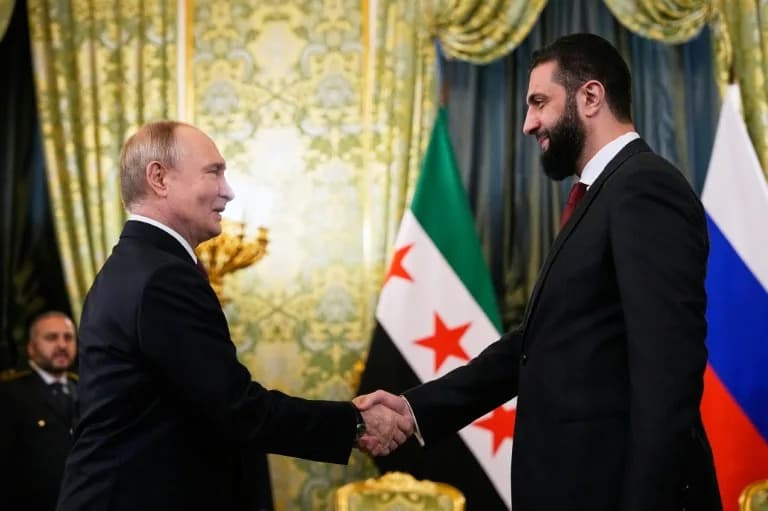
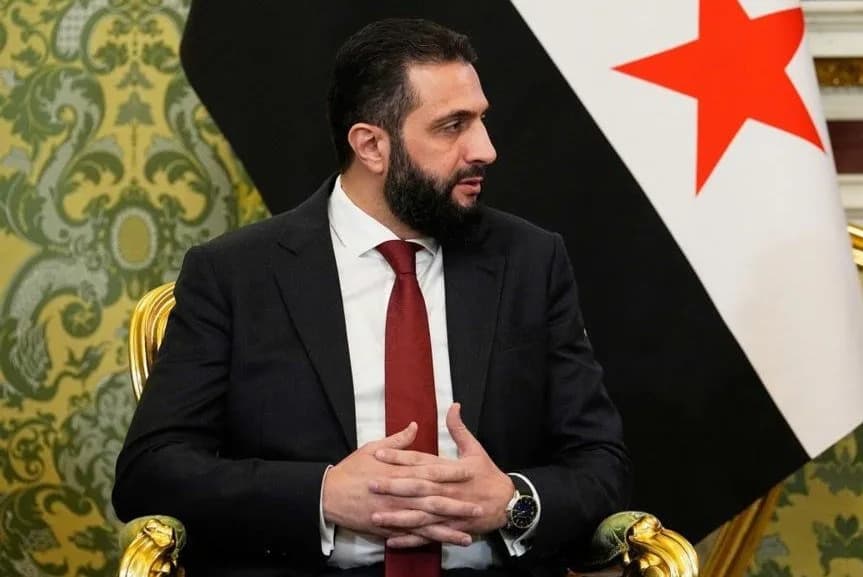
Ahmed al-Sharaa, who once led an al-Qaeda-linked faction in Syria and later the splinter group Hayat Tahrir al-Sham, is serving as president for a five-year transitional period. Since taking power he has undertaken extensive diplomatic outreach, restoring ties with regional and Western capitals, securing sanctions relief and hosting a United Nations Security Council delegation. In September he became the first Syrian leader in six decades to address the UN General Assembly.
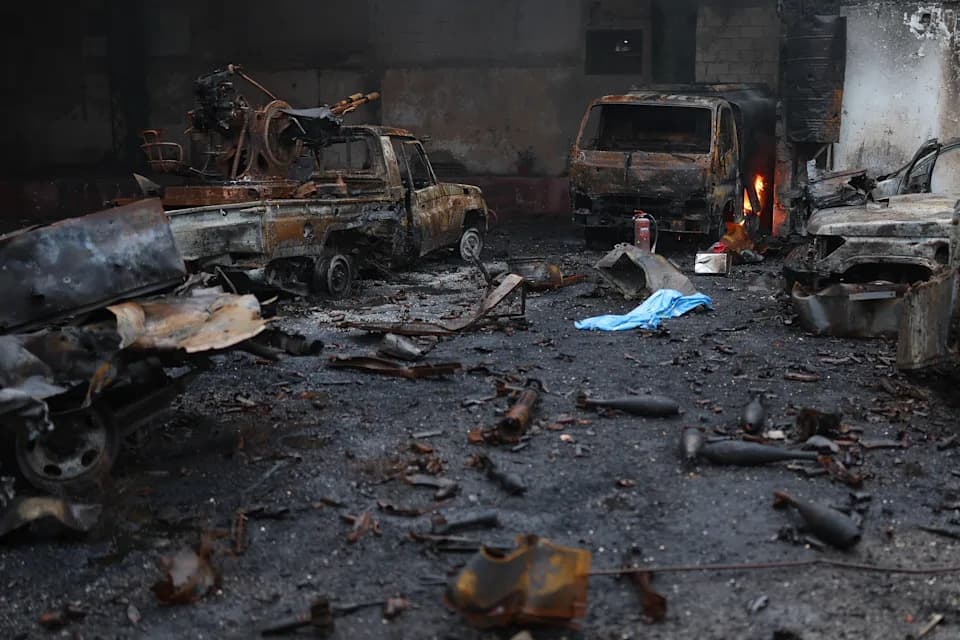
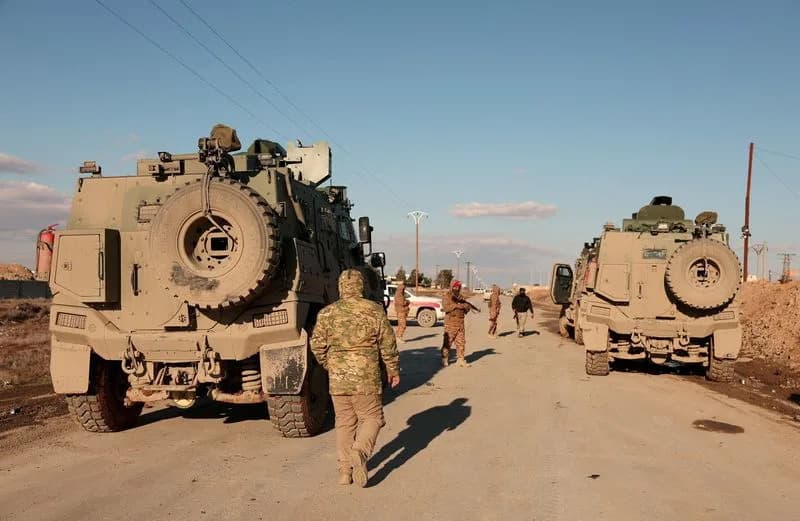
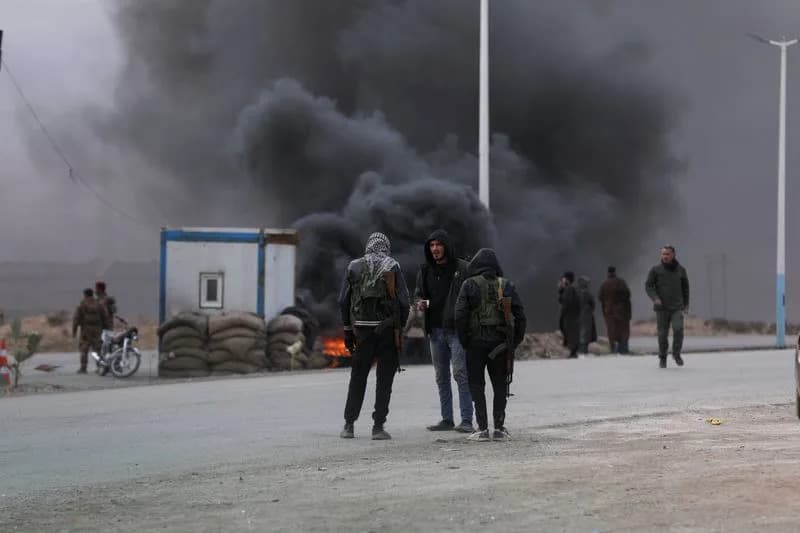
Despite diplomatic gains, analysts and monitors warn that sectarian violence and reprisals remain a serious threat to stability. The Syrian Observatory for Human Rights reported more than 1,700 deaths in March in clashes and reprisals targeting the Alawite community. Further fighting in the Druze-majority Suwayda province in July left hundreds dead, including many civilians, the monitor said.
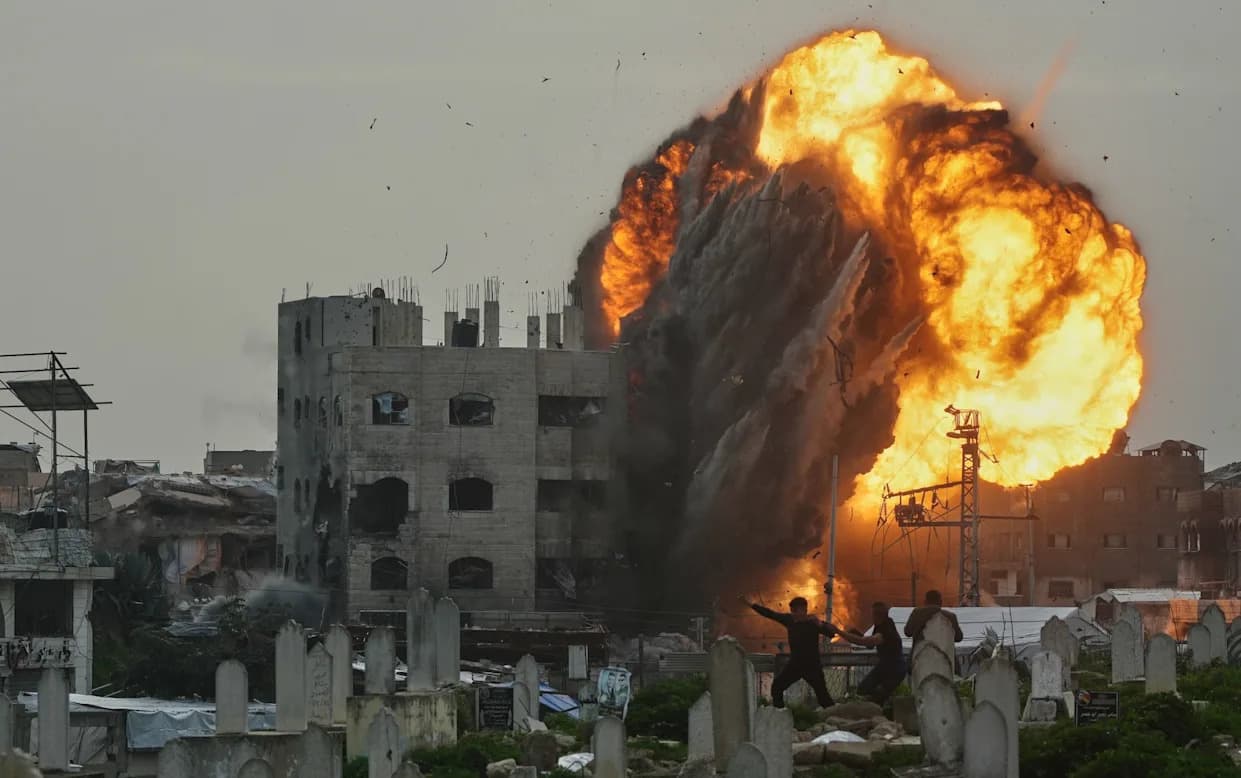
Israel has continued to carry out air strikes in southern Syria and around Damascus, saying its operations aim to protect local communities; however, many Druze leaders have rejected that justification. A recent strike in the Damascus countryside near Beit Jinn reportedly killed at least 13 people, including children.
Voices From Analysts and Locals
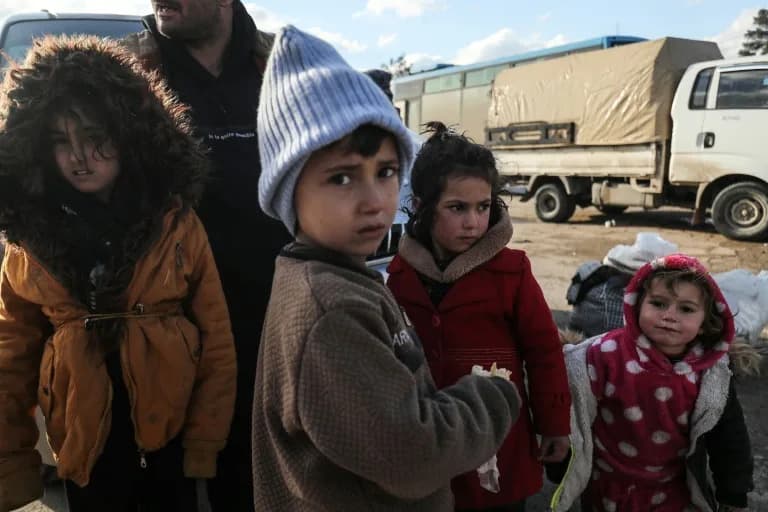
Nanar Hawach, a senior Syria analyst at the International Crisis Group, said the country has "opened a new chapter" by rebuilding diplomatic ties and attracting investment, but cautioned that international rehabilitation will mean little if Syrians do not feel safe in their streets. Gamal Mansour, a researcher at the University of Toronto, said many Syrians, fearful of the chaos a power vacuum might unleash, view al-Sharaa as "the only option that provides guarantees." In Hama, residents voiced hope that the new government can deliver unity and freedom for all Syrians.
Note: This article preserves reported facts and contemporary accounts while clarifying historical context and current concerns about security and reconciliation across Syria.
Help us improve.