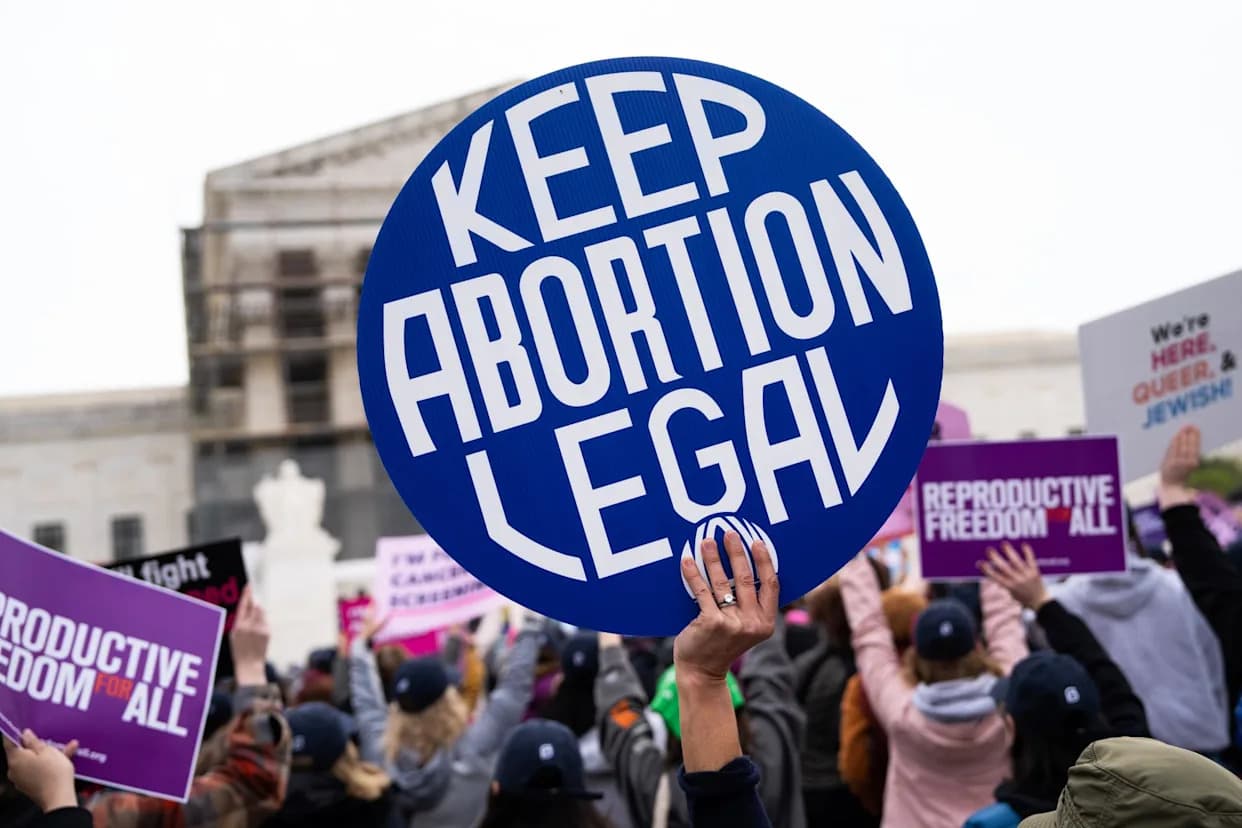
Texas' new law lets residents sue people they suspect of making, distributing or mailing medication used for abortions into or out of the state, exposing providers and manufacturers to civil liability while explicitly exempting patients. The measure targets providers operating under "shield laws" in states such as Massachusetts and New York, which researchers say facilitated more than 12,000 abortions per month in states that ban the procedure by the end of 2024. Out‑of‑state providers say they will continue shipping pills for now, while early enforcement attempts have produced limited results — setting the stage for likely interstate legal battles.
Texas Law Lets Residents Sue Suspected Abortion‑Pill Providers — A New Front In The Interstate Fight

New Texas Law Targets Providers Who Mail Or Distribute Abortion Medication
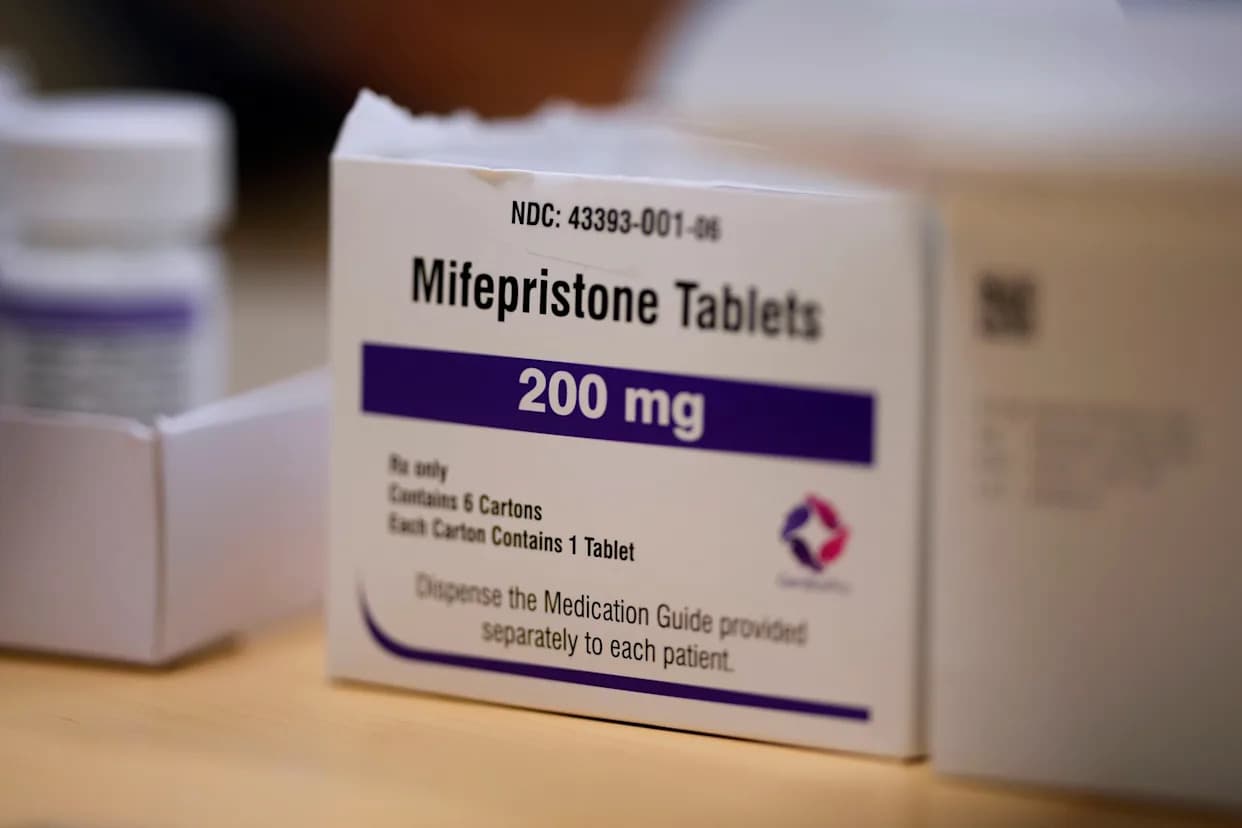
Texas residents can now file civil lawsuits against people they suspect of manufacturing, distributing or mailing medication used for abortions into or out of the state, under a new law that took effect on Thursday. The statute is the first of its kind designed to slow the flow of abortion pills into states that prohibit the procedure.
Penalties, Scope And Who Is Exempt
Under the measure, abortion providers who mail pills into Texas could face civil penalties of at least $100,000. Manufacturers of abortion medications are also exposed to lawsuits. People who take the pills themselves are explicitly not subject to suit under the law.
Designed To Counter “Shield Laws”
Supporters say the law is intended to confront so‑called "shield laws" enacted by some Democratic‑led states after the fall of Roe v. Wade. Those shield laws aim to protect clinicians from out‑of‑state prosecution when they send medication across state lines. Research by the Society of Family Planning, via its #WeCount project, estimated that by the end of 2024 providers in shield‑law states such as Massachusetts and New York were facilitating more than 12,000 abortions a month in states that ban the procedure, including Texas.
"They are going beyond their jurisdiction and their authority by coming into Texas and hurting Texas women and killing Texas babies with abortion pills," said John Seago, president of Texas Right to Life and a leading architect of Texas' broader abortion restrictions. "We think there is going to be a kind of this standoff between Texas and New York that maybe goes back to the Supreme Court. I would be very interested to get that case. We're actually looking to spur that on."
Context And Legal Response
The new law echoes a 2021 Texas statute that allowed private citizens to sue individuals they believed had "aided or abetted" an abortion. That earlier law led many providers to stop in‑state operations out of fear of litigation, though relatively few suits were filed.
State attorneys and prosecutors have already attempted cross‑jurisdictional enforcement. Texas Attorney General Ken Paxton sued a New York doctor last year alleging she mailed abortion pills to a Texan and later sued a New York county clerk; a New York judge dismissed the clerk suit in October, finding the clerk had been applying New York law. Louisiana has indicted the same New York doctor and issued a warrant for a California physician accused of mailing pills into that state, but those prosecutions have not advanced significantly.
Provider And Patient Reactions
Several out‑of‑state providers who operate under shield laws say they will continue shipping medication while they remain legally able to do so. Dr. Angel Foster, co‑founder of the Massachusetts Medication Abortion Access Project (MAP), said the group's practice has been "no anticipatory obedience" — they will continue to provide care across the U.S. until legally compelled to stop.
The law has also had an immediate emotional effect on Texans who have obtained mailed medication abortions. A woman identified as Amelia, who received pills through MAP, described her discovery of pregnancy as traumatic and said the medication option brought relief. But she also said the law left her fearing for her future in Texas and considering relocation.
Broader Implications
Telemedicine now accounts for roughly one in four U.S. abortions, and medication abortion has become a major driver of abortion access since Roe's reversal. The Texas law is likely to spur legal clashes between states that protect abortion access and those that seek to limit it — potentially reaching the U.S. Supreme Court. For now, enforcement faces practical and constitutional hurdles, and the law's real‑world effects will depend on litigation outcomes and whether out‑of‑state providers change their practices.
What to watch next: lawsuits filed under the new statute, challenges from shield‑law states, and whether federal or state courts block enforcement.
Help us improve.