Many women worldwide lack basic knowledge about menopause. Perimenopause can begin in the mid-30s and symptoms — from hot flashes to mood shifts and increased cardiovascular and respiratory risks — often last around seven years. Early or premature menopause is rising in some low- and middle-income countries, driven partly by surgical hysterectomy and limited healthcare access. Experts urge better public education, clinician training and post-reproductive health policies to reduce stigma and improve care.
Global Lack of Menopause Awareness Is Putting Women’s Health at Risk

Thirty-eight-year-old Rosy Devi says her life changed after a 2019 hysterectomy led to premature menopause. She describes persistent body aches, breathlessness after short walks, sudden intense heat and sweating, and occasional chest pain. Living in Bihar and raising four children, Devi says she never expected menopause to arrive so early or to affect her so deeply: “Now I am really feeling old… The body, the face, everything has changed.”
What is menopause — and when does it start?
Menopause is defined as 12 consecutive months without a menstrual period and marks the end of a woman’s reproductive years. Most women experience it between 45 and 55 years (World Health Organization), but a substantial minority reach menopause earlier: studies in the US and South Korea estimate about 9.4% experience it between 40–44 and around 8.6% before 40. In rare cases it can occur in the 20s. Causes include natural ovarian aging, surgical removal of ovaries during hysterectomy, and medical treatments such as chemotherapy or radiation.
Perimenopause: the lead-up
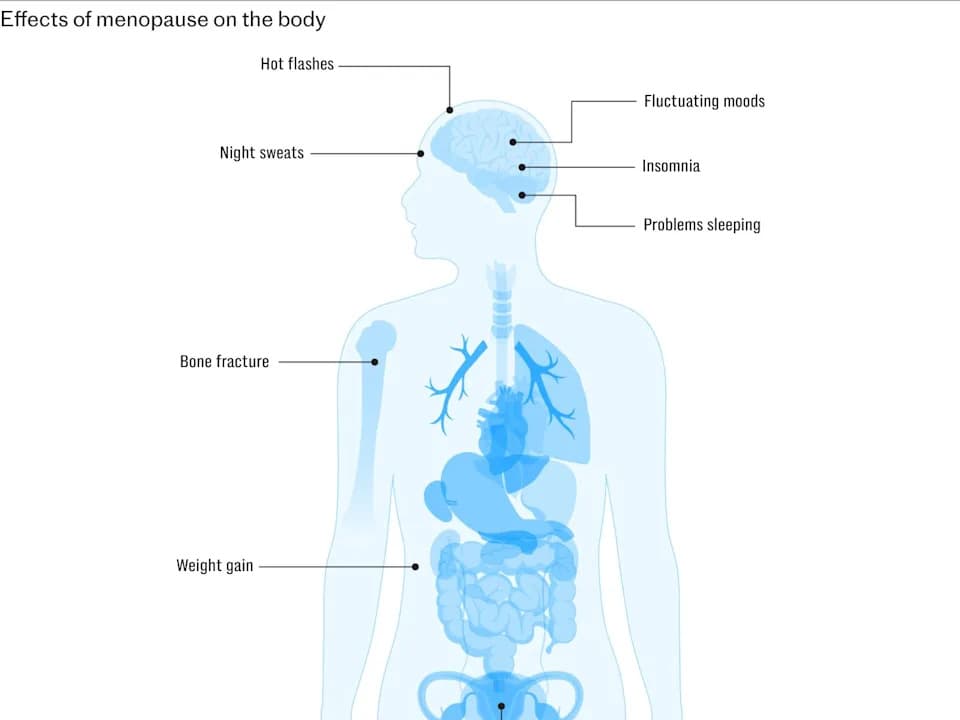
Perimenopause is the transition phase when the ovaries produce progressively fewer hormones. It can begin in the mid-30s and commonly lasts four to eight years. Symptoms include irregular periods, hot flashes (hot flushes), sleep disruption and mood changes, though many women do not recognize these signs as the start of menopause.
Symptoms — much more than hot flashes
While hot flashes and night sweats are the most widely recognized symptoms (reported by roughly 80% of women), menopause can cause a wide range of physical and emotional changes. Common symptoms include vaginal dryness, urinary urgency, insomnia, mood swings, depression and irritability. Women also report headaches, migraines, incontinence, heart palpitations, joint and muscle pain, changes in libido, difficulties with concentration, weight gain and hair thinning. Less commonly, women notice dry eyes, visual changes, increased bruising, dry mouth, acne, itchy skin or scalp, and—for some—an unexpected increase in libido.
Early and premature menopause: who is most affected?
Menopause before age 45 is classed as early; before 40 it is premature. Research suggests rates of early and premature menopause are rising in some low- and middle-income countries. In parts of rural India, for example, limited healthcare access, low awareness and higher rates of surgical hysterectomy contribute to higher rates of premature menopause. Studies indicate some women are pressured into hysterectomies for conditions like heavy bleeding or fibroids and may not fully understand the implications of the surgery.
Long-term health risks
The decline in estrogen around menopause raises long-term health concerns. Cardiovascular disease risk increases because estrogen helps regulate cholesterol and fat distribution — postmenopausal women face higher chances of coronary heart disease, heart attack and stroke. Respiratory conditions such as COPD have also been linked to menopause, especially when it occurs prematurely. Mental health is affected too: menopausal transition correlates with higher risks of depression and anxiety alongside commonly reported irritability and sleep disruption.
Treatments, access and safety
Hormone therapy (HRT) is the most effective treatment for many menopausal symptoms and can reduce some long-term risks. Estrogen-only therapy is typically prescribed for women who have had a hysterectomy; combined estrogen-progestogen therapy is used for others. Typical treatment durations are two to five years or longer; symptoms can return after stopping therapy. HRT availability and uptake are higher in high-income settings due to cost, health-system access and clinician familiarity, producing disparities even within wealthier countries.
Known side effects of HRT include irregular vaginal bleeding and breast tenderness. There are small increases in the risks of blood clots, gallbladder disease and certain cancers; the absolute risk depends on therapy type, duration, age and individual health. Other medications (for example, some antidepressants) can reduce hot flashes. Many herbal remedies claim benefit but lack robust evidence; lifestyle measures — quitting smoking, reducing alcohol, regular exercise, stress management and maintaining a healthy weight — are universally recommended and often the most accessible options.
What needs to change
Experts call for improved public education, better clinician training, and health policies that address post-reproductive needs. Teaching young people about menopause can normalize it as a life stage rather than a taboo. Expanding access to evidence-based treatments, building post-reproductive health programs, and reducing stigma would help women recognise symptoms early, get appropriate care, and lower long-term health risks.
Sources and contributors: interviews and research contributions by Gayathri Delanerolle, Joyce Harper, Nikita Rajput, Om Kurmi, and Rosy Devi. Written by Sashikala VP.
Help us improve.