President Trump announced plans to roll back Biden-era fuel-efficiency rules, saying the change will help lower new-car prices as part of a broader affordability push. Industry analysts caution the regulatory change is unlikely to reduce sticker prices soon, while households continue to face high costs for groceries, utilities and health care. Polling shows widespread skepticism about price relief, and recent state and special-election results have underscored voter unease. The administration points to tariff rollbacks and drug-pricing proposals as steps toward easing cost pressures.
Trump Ramps Up Affordability Push, Rolls Back Fuel Rules as Voters Voice Cost Concerns

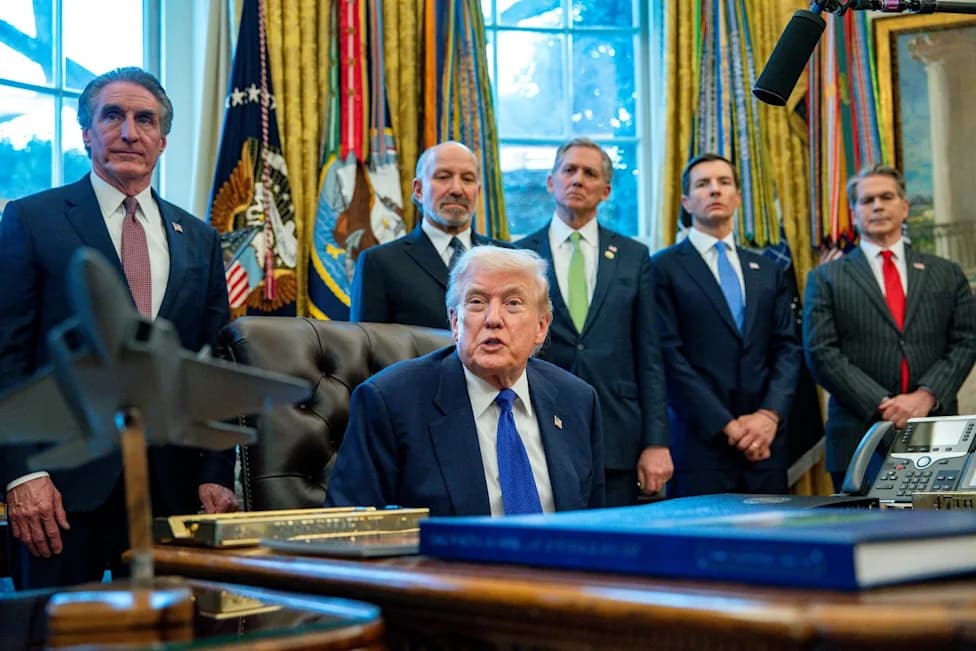
The White House on Wednesday announced plans to roll back Biden-era fuel-efficiency regulations, arguing the change will help bring down the price of new cars as part of a broader affordability agenda. The administration framed the move as corrective action to reduce costs for consumers, while critics and industry analysts say any price relief is unlikely to materialize in the near term.
Speaking from the Oval Office, President Donald Trump called the previous standards a "green new scam" that had "brainwashed" people and said the new approach would produce vehicles that are both more affordable and environmentally responsible.
"People were paying too much for a car that didn't work as well," he said. "Now, they're going to have a great car that's environmentally friendly, but it's going to cost you a lot less."
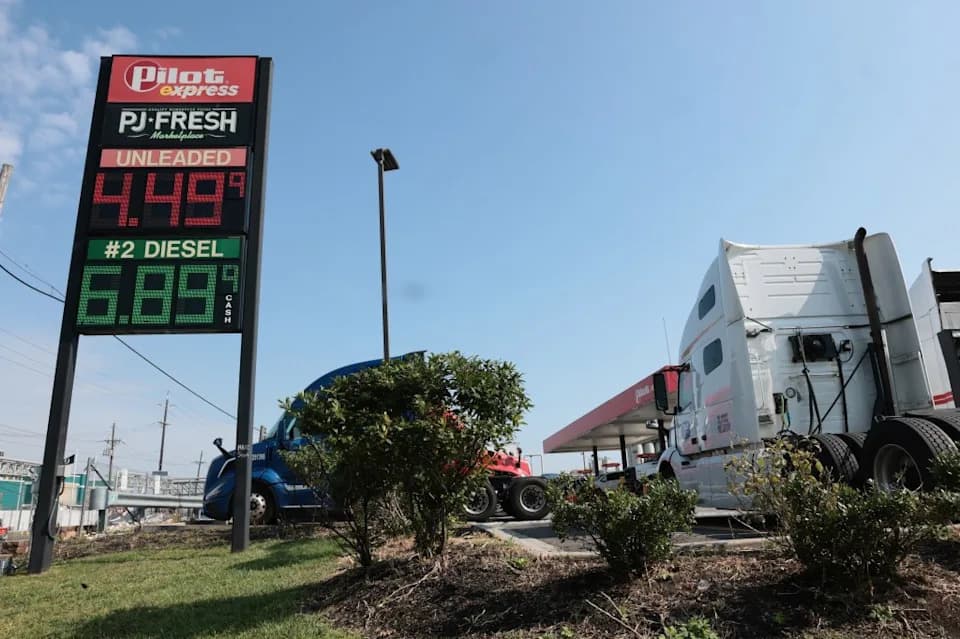
Industry experts counter that altering fuel-efficiency rules will not immediately lower sticker prices, pointing to supply-chain factors, production timelines and the pace of regulatory change. Meanwhile, many households continue to struggle with elevated expenses for groceries, utilities and health care.
Administration officials have urged patience, saying the changes are part of a longer-term strategy to reduce costs after what they describe as years of damaging policy choices by Democrats. At a Cabinet meeting, the president dismissed Democratic messaging on affordability as political showmanship, and Vice President J.D. Vance predicted an economic upswing in 2026.
"2026 is going to be the year when this economy really takes off," Vance said.
Yet public opinion remains skeptical. A Yahoo!/YouGov poll conducted before Thanksgiving found 49 percent of respondents believe Trump's actions since taking office have raised prices. The survey also showed more people currently blame Trump for the level of inflation (38 percent) than blame former President Biden (31 percent).
Several Republican senators acknowledged the political pressure. Sen. Todd Young (R-Ind.) said he has legislative proposals to address cost drivers such as housing, but added that Congress needs closer cooperation from the administration to convert policy ideas into law. Sen. Josh Hawley (R-Mo.) said constituents told him they "can't afford their health care," underscoring the breadth of affordability concerns.
Electoral signals of voter unease have emerged in recent state and local contests. Democrats won gubernatorial races in New Jersey and Virginia where affordability was a central issue, and a special election in Tennessee produced a narrower-than-expected result in a district President Trump won handily in 2024. Republican strategists inside a private briefing acknowledged the party needs to be more explicit about how it will ease cost pressures.
The administration has taken concrete steps it says will ease prices, including rolling back certain tariffs on consumer goods such as beef and coffee and advancing drug-pricing proposals. The White House has also promoted messaging — including a post titled "Lower Prices, Bigger Paychecks" — that highlights falling commodity indexes for some grocery items and real-wage improvements.
On Wednesday, Mr. Trump reiterated that commodity prices such as beef and eggs are "coming down." While retail egg prices have eased, beef prices remain elevated; industry leaders have warned of ongoing pressure on meat costs. Senators and administration aides urged patience, saying some price relief is already appearing while other areas will take longer to improve.
"Much work remains," said White House spokesperson Kush Desai, adding that with inflation cooling and real wages rising, the administration is confident its agenda will restore working-class prosperity.
Jordain Carney contributed to this report.
Help us improve.