Earth was hit by a "stealth" coronal mass ejection that produced little warning because it left only faint signatures in solar imagery. These CMEs often originate higher in the corona and affect a limited spatial region, making them easy to miss with standard coronagraph monitoring. Researchers recommend examining images across different timescales, combining intensity data with imagery, using advanced processing, and leveraging off-angle spacecraft views like STEREO to reveal hidden eruptions. The recent strike briefly increased geomagnetic activity and pushed auroras as far south as Denmark and Maine.
Surprise 'Stealth' Solar Storm Slammed Earth — Why It Was Missed and How Scientists Want to Catch the Next One

Earth was struck by a surprise coronal mass ejection (CME) that arrived with little advance notice — a so-called "stealth" storm that escaped routine detection. The event highlighted gaps in current monitoring and pointed to practical ways researchers hope to spot similar eruptions earlier.
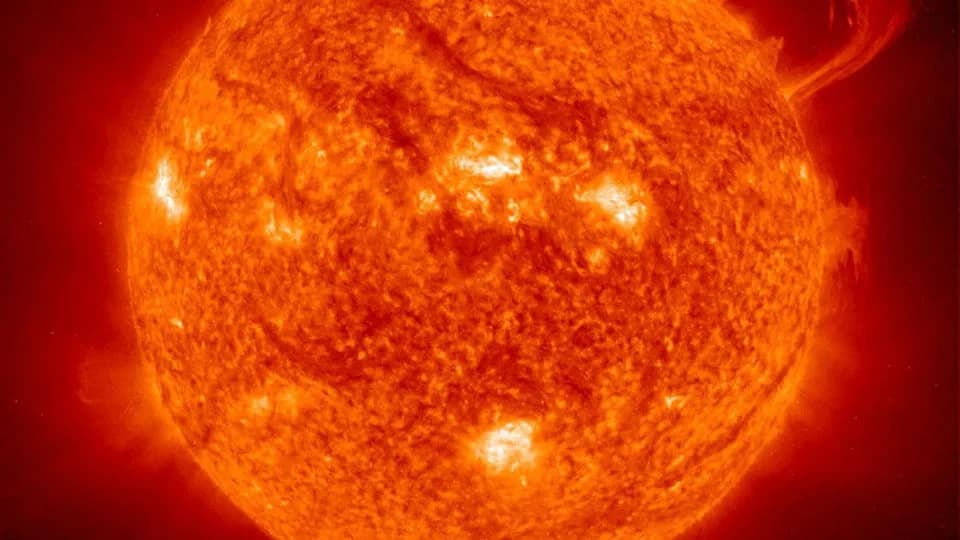
On November 20, NOAA warned of enhanced solar wind from a coronal hole — a darker, cooler patch in the Sun's outer atmosphere whose open magnetic field lines let plasma stream into space. Coronal holes are more common as the Sun declines from its 11-year peak toward solar minimum and can drive elevated geomagnetic activity. But that forecast was only the prelude: an unexpected CME followed and intensified the solar wind streaming past Earth that morning.
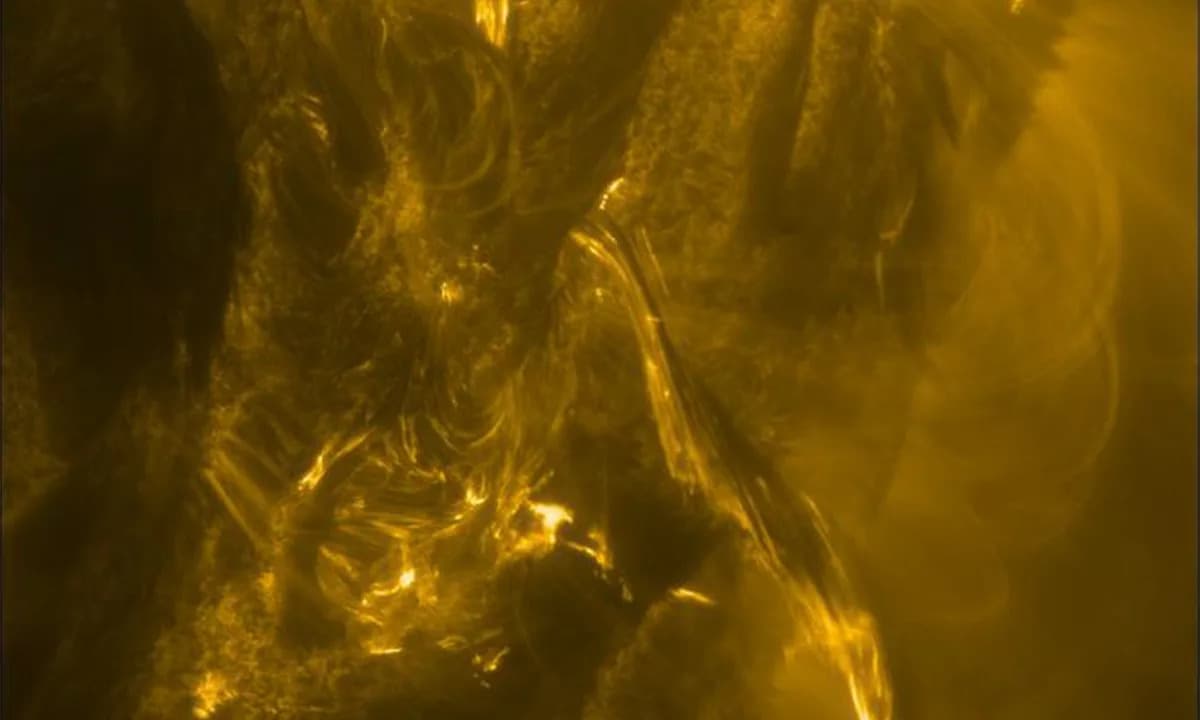
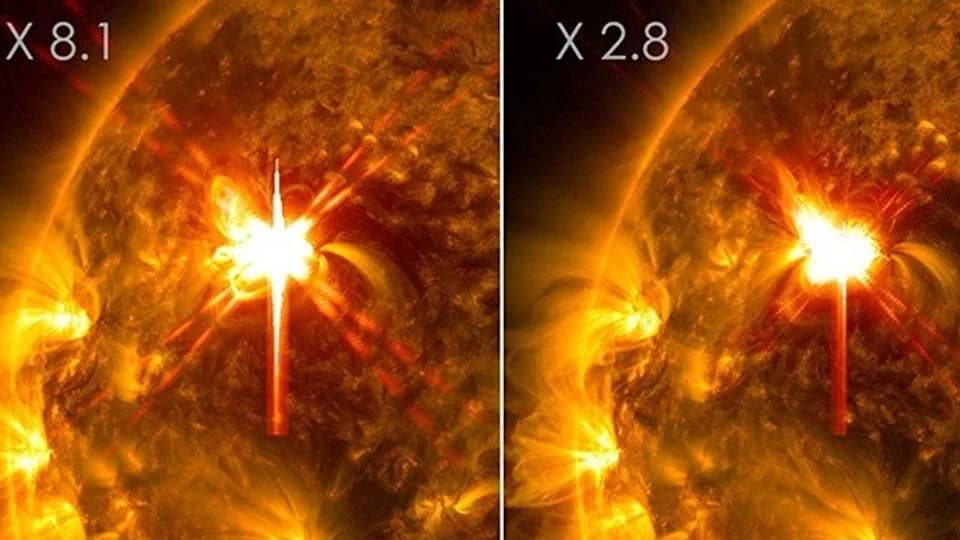
CMEs form when stressed magnetic fields in the Sun's lower corona suddenly reconfigure in a process called magnetic reconnection. That realignment releases vast electromagnetic energy and ejects magnetized coronal material into space. Most CMEs are tracked by coronagraphs and spacecraft, but some — particularly stealth CMEs — produce only faint brightenings or dimmings on solar images and can evade standard detection methods.
Researchers note two reasons stealth CMEs are hard to spot: they often originate higher in the corona where magnetic fields are weaker, and their eruptive signatures can be spatially limited rather than widespread. In other words, how much of the corona the eruption disturbs appears to matter more for detectability than the exact altitude where it begins.
"It appears that the key factor in how 'stealthy' an eruption is relates more to the eruption's spatial extent than its launch altitude," researchers wrote. They also found that difference images made with larger time separations sometimes reveal the clearest signatures of these weak eruptions.
After reviewing multiple stealth events, scientists discovered that structural changes in the corona — shifts in loops and faint brightenings — sometimes appear in imagery even when intensity records show little. Viewing angle also matters: some storms were visible against the solar disk, while others were first apparent just off the Sun's limb.
A 2021 study showed several earlier stealth CMEs were only identified after NASA's twin STEREO spacecraft observed the events from different perspectives. Building on that insight, the recent analysis recommends several practical steps to improve early detection: examine image sequences taken at varied intervals to spot subtle changes, combine intensity data with imagery to better interpret faint activity, apply advanced image-processing techniques to enhance weak signatures, and use off-angle or multi-viewpoint observations when possible.
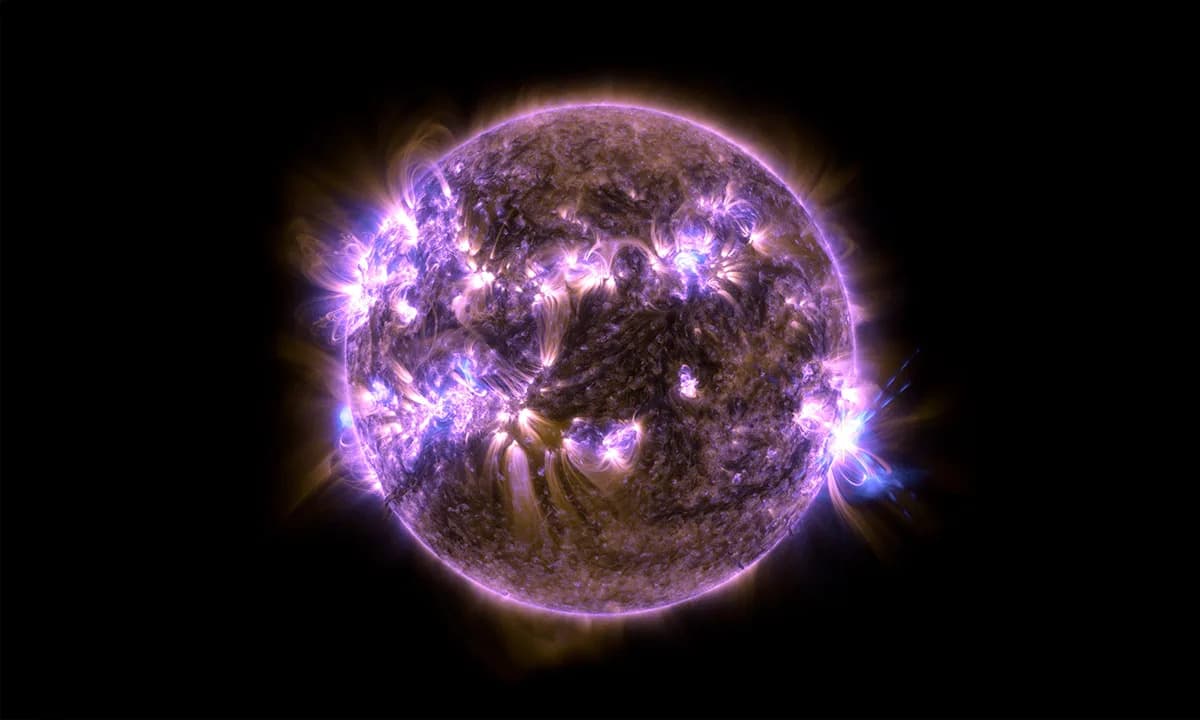
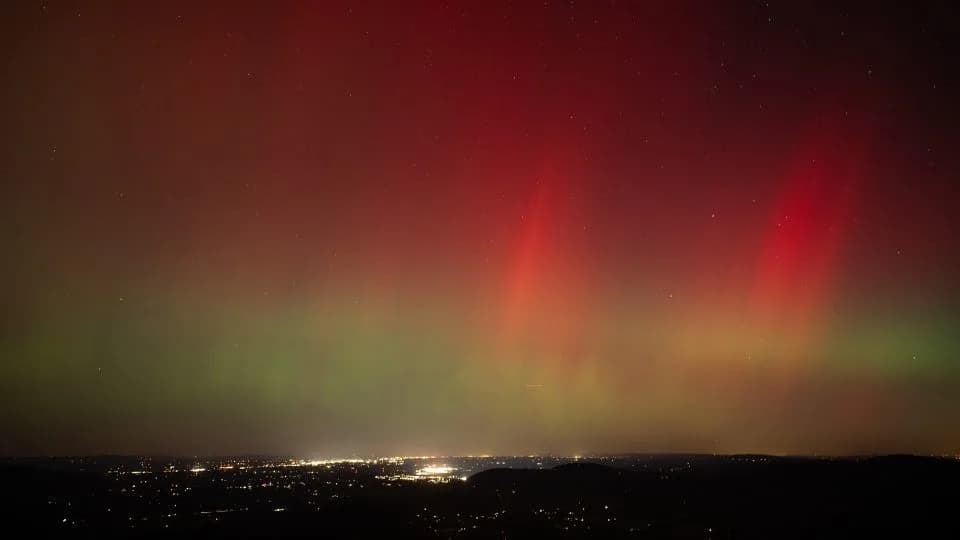
In this case the incoming particles produced a brief increase in geomagnetic activity and pushed auroras unusually far south — with displays reported as far south as Denmark and Maine, painting the northern skies in vivid purples and reds.
Stealth CMEs are a reminder that the Sun can still surprise us. Improved imaging, smarter processing and multiple viewpoints should reduce future false negatives and give utilities, satellite operators and navigation services more warning when the next subtle storm is brewing.
Help us improve.