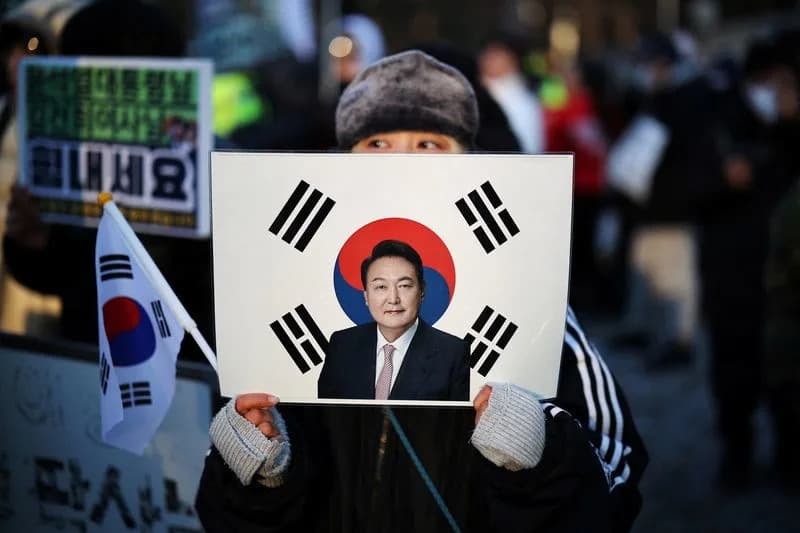
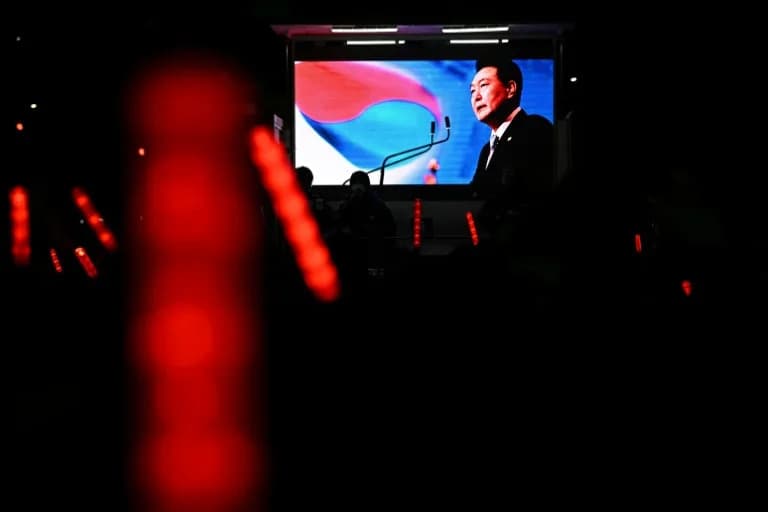
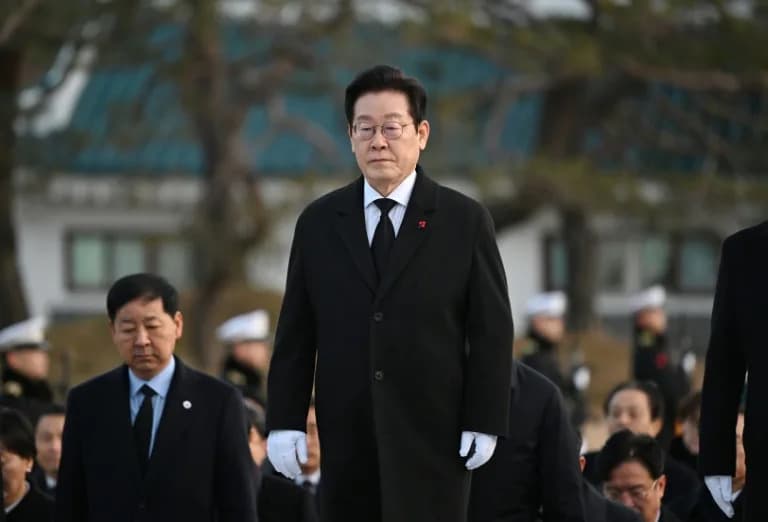
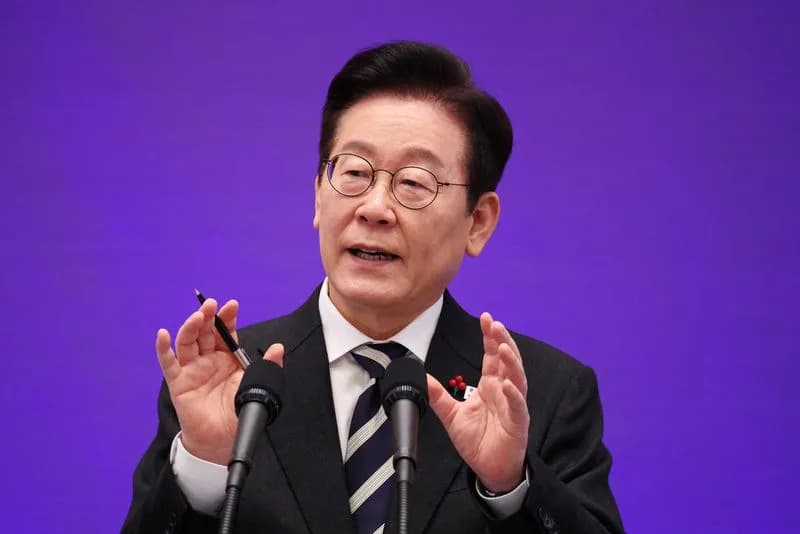
President Lee Jae Myung commemorated the first anniversary of the Dec. 3, 2024, martial law attempt, praising citizens who peacefully thwarted what he called a self-coup and saying they "deserve the Nobel Peace Prize." The emergency decree lasted about six hours before roughly 190 lawmakers overturned it, but the incident led to months of political turmoil and impeachment proceedings. Former President Yoon was removed from office on Apr. 4 after the Supreme Court upheld his impeachment and now faces trial on insurrection charges; several senior officials are also on trial. Lee proposed making Dec. 3 National Sovereignty Day and called for accountability and national unity.
President Lee Says South Koreans 'Deserve' Nobel Peace Prize After Thwarting Martial Law

President Lee Jae Myung on Wednesday praised South Korean citizens for their peaceful resistance to last year’s abrupt martial law declaration, saying the people "deserve the Nobel Peace Prize" for showing the world the resilience of the country's democracy.
What happened on Dec. 3, 2024
Lee marked the first anniversary of what he called the "revolution of light," recalling the events of Dec. 3, 2024, when then-President Yoon Suk Yeol issued an emergency martial law decree. The move lasted roughly six hours and was rapidly challenged: in the early morning some 190 lawmakers gathered at the National Assembly and voted to nullify the decree, and the government formally lifted the martial law during a Cabinet meeting.
Public response and presidential remarks
Lee described how thousands of citizens rushed to the legislature, blocking armored vehicles and helping lawmakers access the chamber. He praised the crowds who kept vigil through the night and helped avert what he called a self-coup.
"It was the first time in the 21st century that a self-coup occurred in a democracy like South Korea," Lee said in a televised address. "But it was also the first time in world history that the coup was prevented peacefully and beautifully by unarmed people."
He argued the episode showed the world South Korea’s democratic resilience and announced plans to designate Dec. 3 as National Sovereignty Day, with the government intending to make it a national holiday.
Aftermath and legal proceedings
Although the decree was short-lived, the episode triggered months of political turmoil and prolonged impeachment hearings. On Apr. 4 the Supreme Court issued a unanimous decision upholding Yoon's impeachment, and he was removed from office. Yoon now faces trial on charges including insurrection, which could carry life imprisonment or, in theory, the death penalty if convicted.
Several other senior officials are on trial or facing indictments related to the martial law attempt. Former Prime Minister Han Duck-soo faces charges in a case expected to reach a verdict in January; former Defense Minister Kim Yong-hyun, former National Police Agency Commissioner General Cho Ji-ho, and former Interior Minister Lee Sang-min are also involved in insurrection-related proceedings.
Accountability and unity
Addressing the ongoing legal cases, Lee emphasized the need to hold those responsible accountable. "Strict punishment of those who participated in the coup is just the beginning," he said, adding that a "just unity" is essential to prevent any future threats to popular sovereignty.
Lee also noted strong international interest in South Korea since the crisis, saying global leaders have expressed high expectations for the country's democratic example. "In an era of uncertainty where democracy is threatened and the world order is rapidly changing, the world is paying attention to the great courage and determination shown by our people," he said.
Help us improve.