South Korea’s National Assembly passed a law creating specialized three-judge panels in Seoul courts to hear cases of rebellion, treason and foreign subversion after criticism of how the rebellion trial of former president Yoon Suk Yeol has been handled. The bill, revised so it does not apply retroactively, passed 175–2 amid a conservative boycott and a 24-hour filibuster. The law takes effect when President Lee Jae Myung signs it; it will not affect Yoon’s ongoing trial but would apply if the case reaches the high court.
South Korea Approves Law Requiring Special Court Panels for Rebellion Cases After Yoon Trial Complaints

FILE - South Korea's impeached President Yoon Suk Yeol attends a hearing of his impeachment trial at the Constitutional Court in Seoul, South Korea, Feb. 11, 2025. (AP Photo/Lee Jin-man, Pool, File)(ASSOCIATED PRESS)
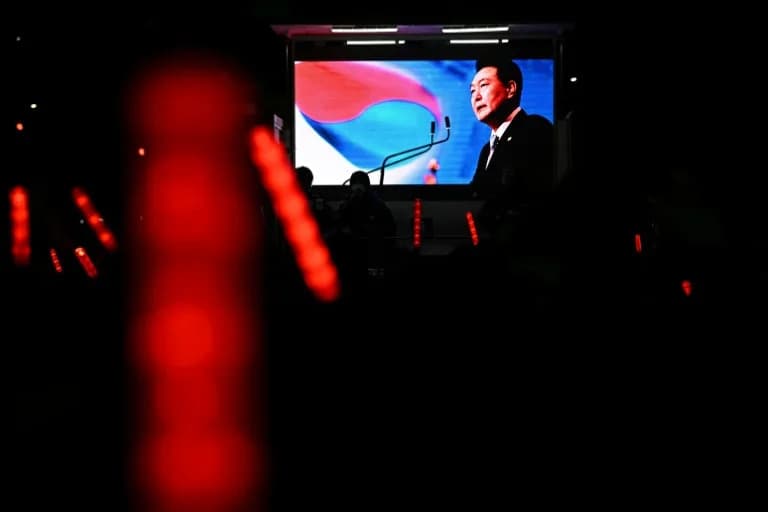
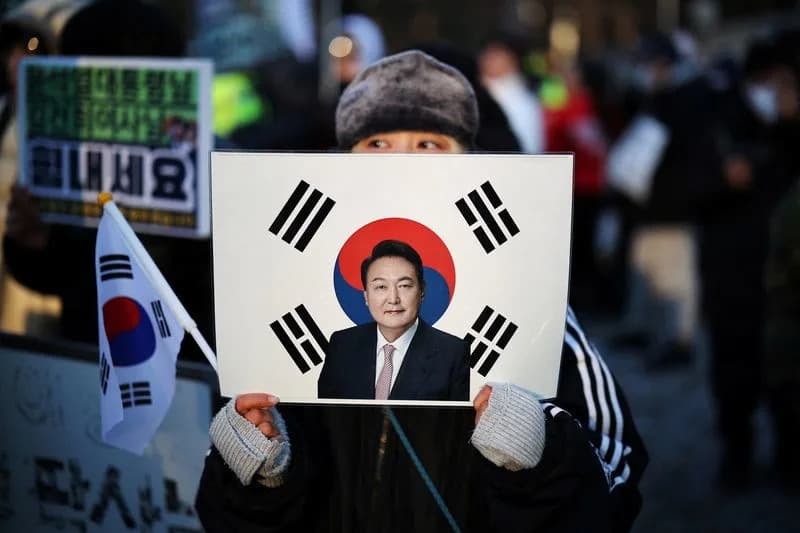
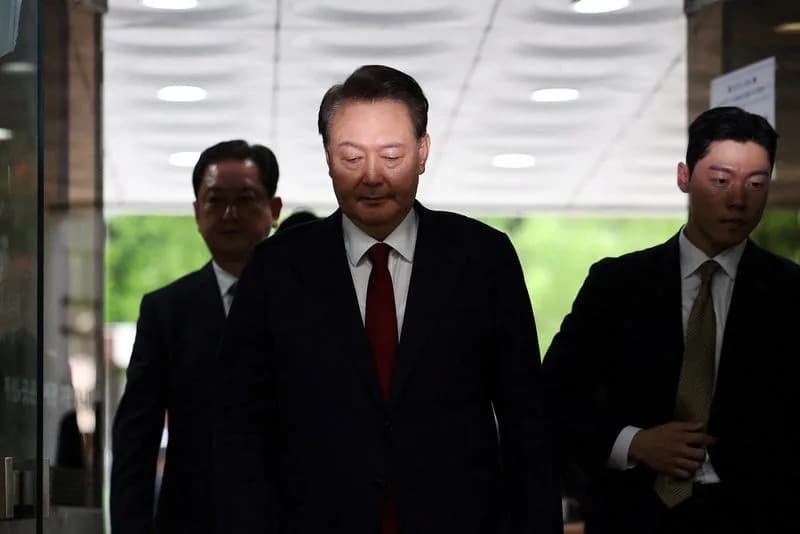
SEOUL — South Korea’s National Assembly on Tuesday approved a law requiring dedicated judicial panels in Seoul’s district and high courts to handle cases involving rebellion, treason and foreign subversion. The move responds to public and political complaints about the handling and pace of the rebellion trial of jailed former president Yoon Suk Yeol.
What the Law Does
The revised bill — expected to be signed by President Lee Jae Myung — mandates that the Seoul Central District Court and the Seoul High Court each establish at least two specialized panels for these exceptional cases. Each panel must be a three-judge bench, with judges selected by the judges’ council of the respective court. Lawmakers deliberately revised the language to ensure the law would not apply retroactively to cases already underway.
Legislative Battle and Vote
The measure passed the National Assembly by a vote of 175–2 with two abstentions after many conservative lawmakers boycotted the final vote. The process was delayed by a 24-hour filibuster staged by People Power Party leader Jang Dong-hyuk, who argued the bill remained unconstitutional and accused ruling party members of trying to influence the judiciary. After passage, People Power Party leaders appealed to President Lee to veto the bill.
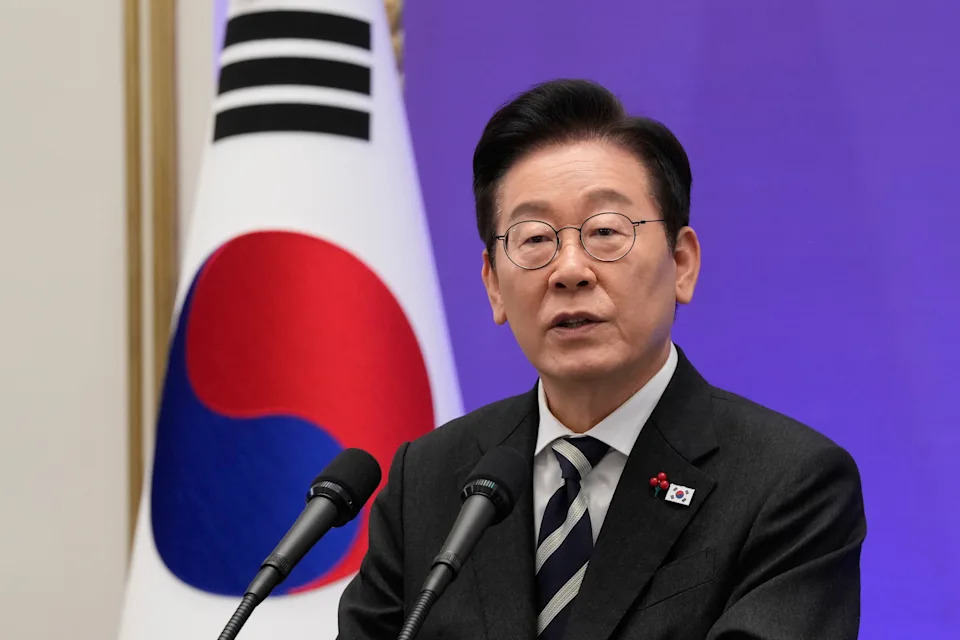
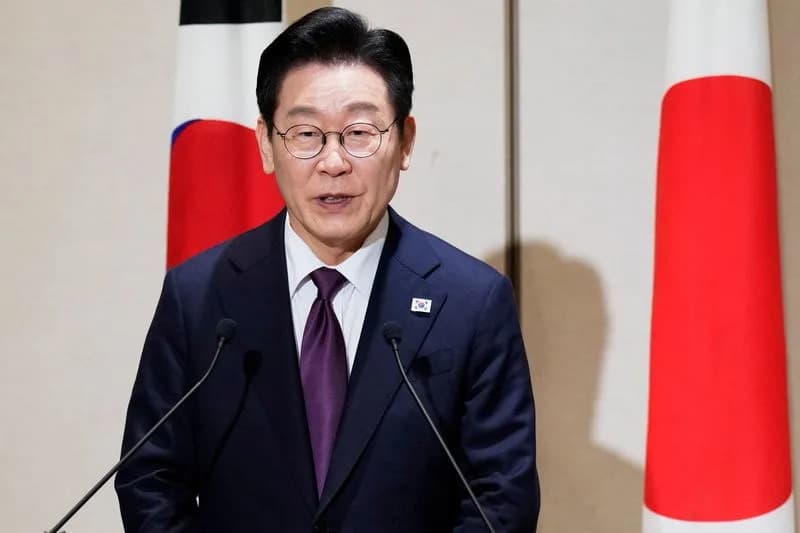
FILE - South Korean President Lee Jae Myung speaks during a news conference to mark the first anniversary of the Dec. 3 martial law crisis at the Blue House in Seoul, South Korea, Dec. 3, 2025. (AP Photo/Ahn Young-joon, File)(ASSOCIATED PRESS)
Effect On The Yoon Case
The law will take effect immediately upon the president's signature, but it explicitly will not apply to Yoon’s ongoing rebellion trial — a high-profile case expected to reach a verdict in early 2026. If Yoon’s case is appealed to the high court, however, it would be heard by one of the newly required specialized panels.
Background And Political Context
Yoon Suk Yeol, a staunch conservative, declared martial law in December 2024 in an effort he described as suppressing “anti-state” forces. He was removed from office in April and re-arrested in July after a brief, hours-long attempt to seize power. He faces multiple charges, including rebellion, which can carry penalties up to life imprisonment or the death penalty.
The Democratic Party has publicly criticized the judge handling Yoon’s rebellion case, Judge Jee Kui-youn, accusing him of delaying proceedings by spacing out hearings. The party also urged reconsideration of random judge assignment for cases of exceptional national importance.
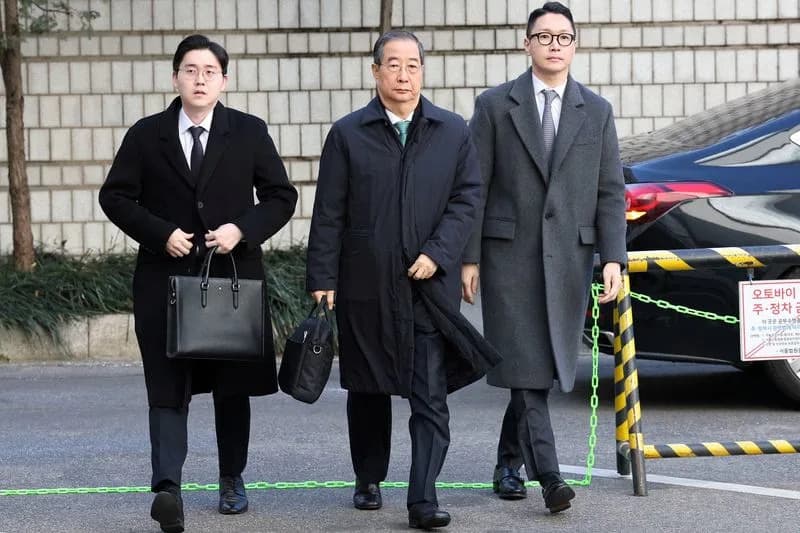
Frustration among liberals intensified when other judges denied arrest-warrant requests for figures close to Yoon, including former Prime Minister Han Duck-soo and senior conservative lawmaker Choo Kyung-ho, who are accused of aiding the declaration of martial law and obstructing parliamentary procedures, respectively.
What Comes Next
President Lee is expected to sign the bill into law, at which point courts in Seoul will be required to form the specialized panels. Political contention over the measure is likely to continue, with conservatives promising legal challenges and calls for a presidential veto.
Help us improve.