Thirty prominent astronomers, including Nobel laureate Reinhard Genzel, have urged Chile to rethink a proposed AES Andes renewable-energy and hydrogen facility located about 3 kilometers from the Paranal Observatory. The 3,000-hectare plan would add wind and solar farms, a desalination plant and a port; ESO estimates it could increase light pollution by roughly 35% and introduce dust, vibrations and atmospheric turbulence that would degrade observations. Scientists warn the development could irreversibly harm one of the world’s last truly dark-sky sites and call for relocation or redesign to protect global astronomy.
Astronomers Warn Renewable Energy Project Near Paranal Could Irreversibly Damage Atacama’s Dark Skies

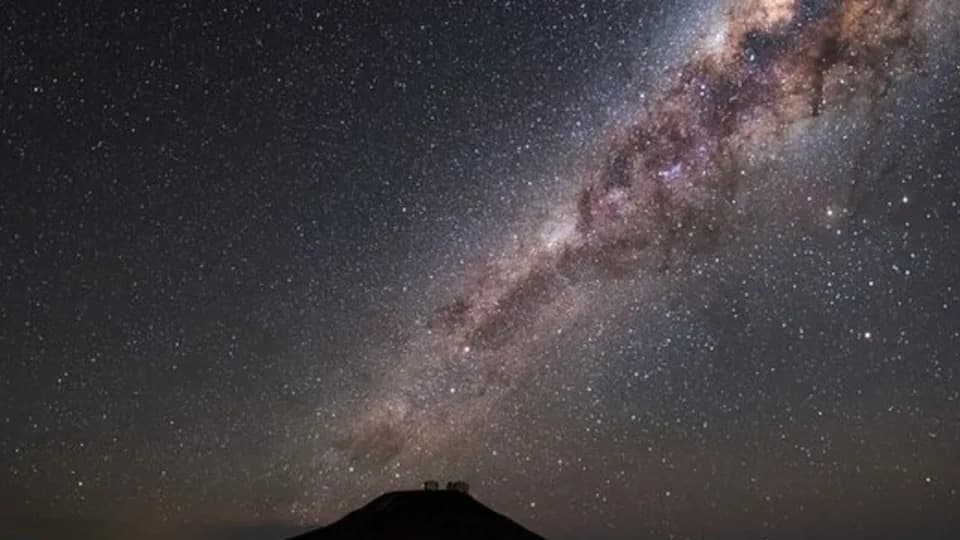
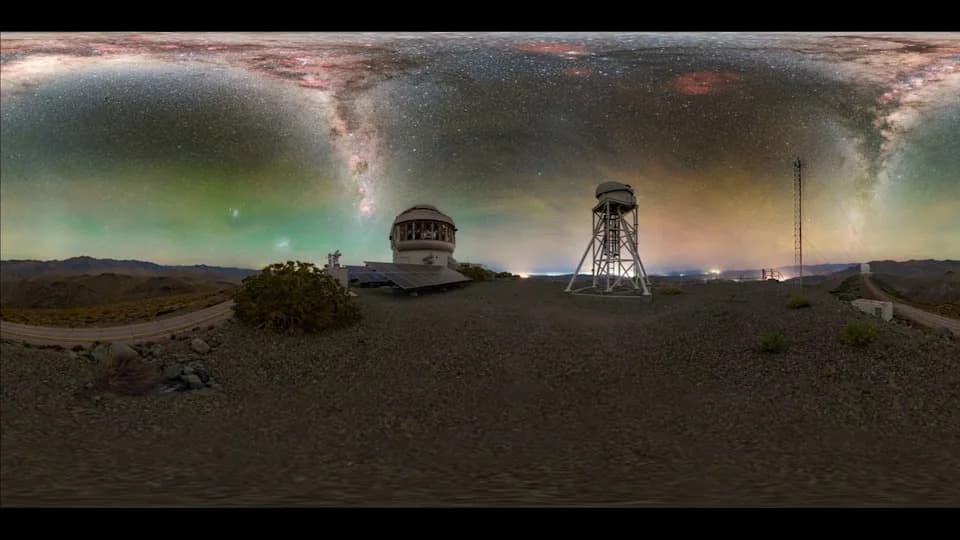
Chile’s Atacama Desert is among the darkest places on Earth, attracting astronomers from around the globe to study the origins of the universe from high, dry, and isolated observing sites along the Pacific coast.
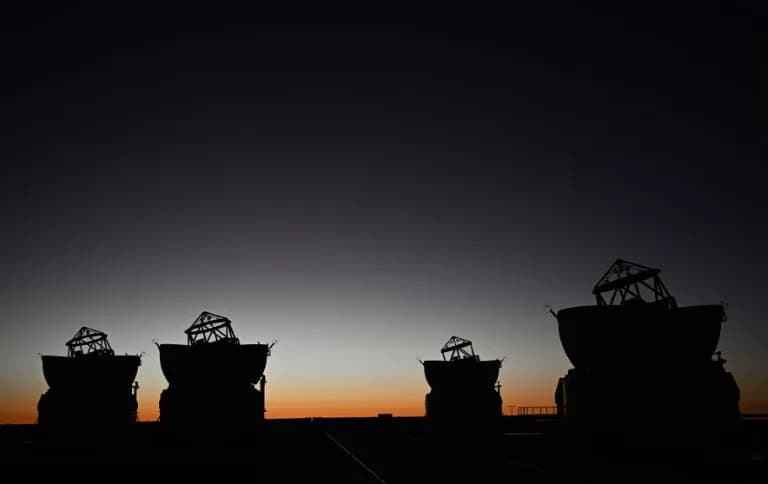
A coalition of 30 leading international astronomers has sent an open letter to the Chilean government urging it to reconsider a proposed renewable-energy and hydrogen facility sited roughly 3 kilometers from the Paranal Observatory, one of the world’s most productive ground-based astronomy centers operated by the European Southern Observatory (ESO).
The plan, unveiled by AES Andes (part of U.S.-based AES Corp.), calls for about 3,000 hectares of wind and solar farms, a desalination plant and a new port to support hydrogen fuel production. AES says its technical studies show the project would comply with Chile’s light-pollution regulations and be compatible with astronomical observations.
“The damage would extend beyond Chile’s borders, affecting a worldwide scientific community that relies on observations made at Paranal to study everything from the formation of planets to the early universe,” the letter reads. The signatories include Nobel laureate Reinhard Genzel, who conducted much of his prize-winning research using ESO telescopes in the Atacama.
Scientists and observatory officials warn that the development could do more than add artificial light. They say large-scale construction and operations so close to Paranal could generate dust, ground vibrations and increased atmospheric turbulence that blurs images and makes stars twinkle — degrading the stable, clear skies that make the site exceptional.
Andreas Kaufer, ESO’s director of operations, says the observatory estimates the project could raise light pollution by about 35%. "At the best sites in the world for astronomy, stars don't twinkle. They are very stable, and even the smallest artificial turbulence would destroy these characteristics," he said. "If the sky is becoming brighter from artificial light around us, we cannot do these observations anymore. They're lost. And, since we have the biggest and most sensitive telescopes at the best spot in the world, if they're lost for us, they're lost for everyone."
Observers also note that Chile hosts roughly 40% of the world's astronomy infrastructure, making decisions there globally consequential. Dark-sky advocates point to a wider trend: expanding development and mining threaten the planet's remaining dark-sky locations while light pollution is increasing year by year.
"Major observatories have been moved to remote locations, and now many of the last truly dark places — like the Atacama, the mountain peaks of Hawaii and areas around Tucson, Arizona — face new encroachment from development and mining," said Ruskin Hartley, executive director of DarkSky International.
The AES proposal remains under environmental review. The scientists who signed the letter say economic development and scientific progress can coexist, but they urge Chilean authorities to relocate the plant or adjust the project to avoid irreversible harm to one of Earth's most important windows on the universe.
Help us improve.