Generation Z in Iran is openly challenging long-standing social restrictions — from mandatory hijab to bans on dancing — using rap, social media and public gatherings. Young people like 19-year-old Arshia perform in parks despite police intervention, treating evasion as part of the experience. Authorities have responded with arrests, forced-confession videos and public shaming, targeting numerous protest rappers and activists. The widening generational gap signals a deeper contest over personal freedoms and public culture.
Running from the Morality Police: How Iran’s Gen Z Uses Rap, Social Media and Dance to Challenge the Regime

The police cars arrived at a Tehran park just as Arshia and his friends began to rap. He and 13 other teenagers — boys and girls together — were performing and dancing when patrol cars pulled up and they scattered before the officers opened their doors.
'We were in a park rapping with a group of friends when several police cars arrived. They pulled over, and we ran,' said Arshia, 19, from Tehran, laughing at the memory. 'We knew the police would come for us, and that is the fun part of it. We kind of want them to come. Running from them is fun.'
His reaction captures a widening generational rupture inside Iran: a cohort raised with constant access to smartphones and global media is openly rejecting social rules rooted in the 1979 revolution. From compulsory hijab and strict limits on dancing to restrictions on dating and music, many young Iranians are refusing to live by the same boundaries their parents did.
A generation shaped by connectivity
Unlike the generation that grew up during the Iran–Iraq war and the early years of the Islamic Republic, many members of Generation Z have never known life without access to foreign culture. They watch fashion from Seoul, follow beauty trends from Los Angeles, share music worldwide and test ideas on social platforms. That steady exposure is changing expectations about personal freedom and public behaviour.
Music, protest and a targeted crackdown
Rap has become a prominent outlet for political and social criticism. Artists are addressing issues such as executions, the treatment of minorities, economic hardship and enforced disappearances. Abbas Daghagheleh — known as Rashash — a 22-year-old Iranian Arab who worked in construction by day and recorded music at night, sang about discrimination in Khuzestan and the plight of Arab communities. Security forces raided his home, confiscated his phone and recording equipment, and detained him after he posted stories about executed political prisoners. Rashash is among at least a dozen young protest rappers arrested in recent months.
The state response has been systematic and, at times, visually degrading: state media broadcast forced-confession videos showing detained artists apologising on camera. Human rights sources report that some rappers who critiqued military actions or government policies have been pressured to read scripted confessions, had their heads shaved, or appeared partially clothed in televised footage. These images provoked outrage among artists, activists and rights advocates.
Public humiliation and wider implications
Several well-known cases include Danial Farrokhi (Meshki), Ardalan and Sajjad Shahi, who appeared in state media accused of 'publishing unconventional content and controversial works on social media.' Critics say such broadcasts are intended to deter dissent and to humiliate the accused. Independent voices, including previously detained rapper Toomaj Salehi, have condemned the practice of coerced televised confessions.
Daily acts of defiance
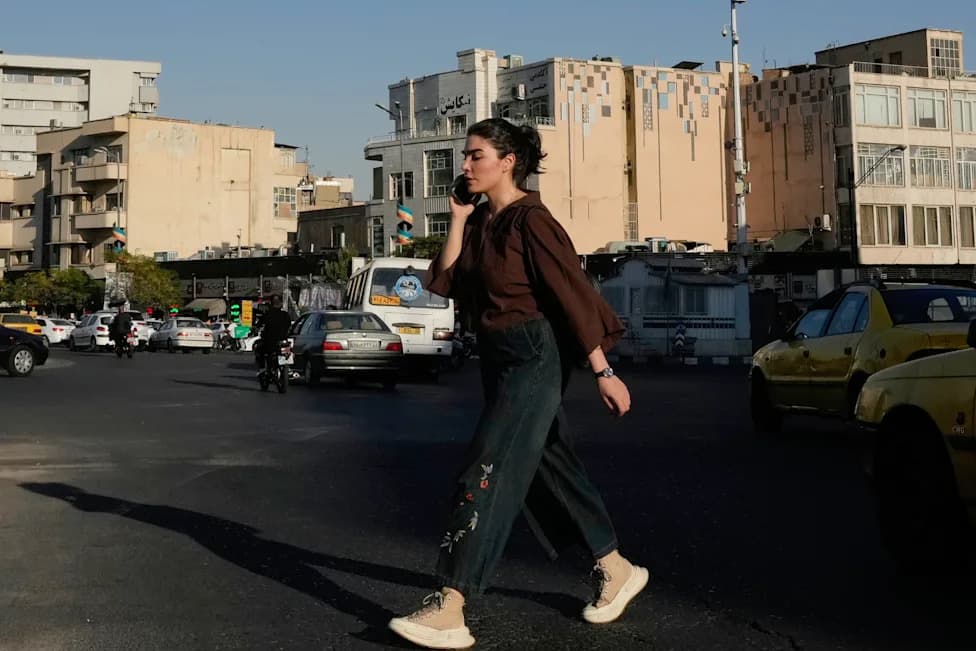
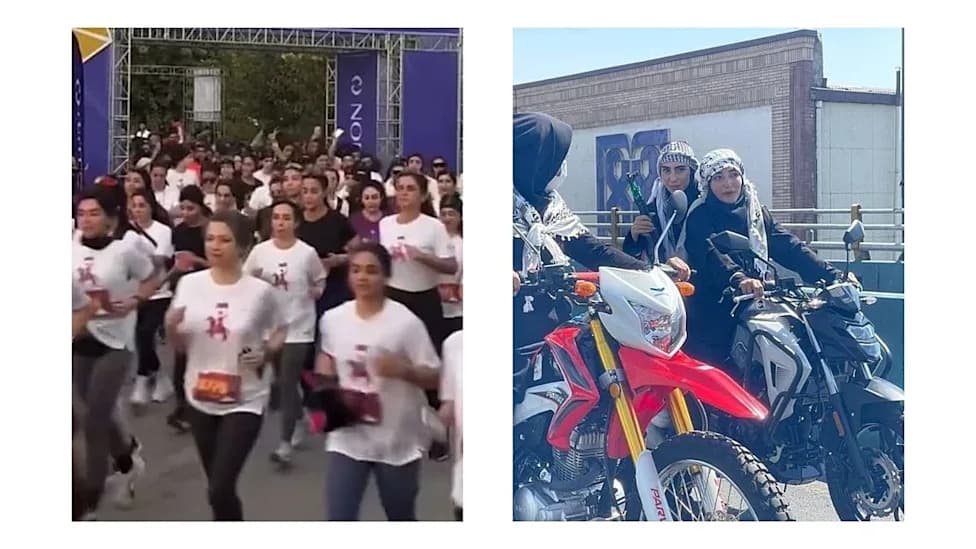
Defiance takes many forms beyond music. In parks, teens dance to protest songs; in private apartments, unmarried couples increasingly live together; on Instagram, many young women post without headscarves. For some, the risk of arrest is part of the thrill. Others simply want ordinary freedoms — to choose whom to live with, how to dress, and how to express themselves.
'Their policies make me sick. Why shouldn't I be able to live alone or with my partner?' said Nazanin, 18. 'We are being suppressed by our families at home and by the regime outside.'
Supreme Leader Ayatollah Khamenei has described dancing as forbidden when it 'incites lust,' a restriction that has effectively removed many forms of public dance from Iranian life. Yet the younger generation's persistent refusal to conform is widening the gap between official rules and everyday behaviour.
What this means for Iran
The confrontation between Iran's rulers and Generation Z is not simply a cultural skirmish: it is a social shift that challenges longstanding controls over bodies, expression and private life. The state's punitive responses — arrests, interrogations and public shaming — may suppress some activity, but they have not erased the desire among many young Iranians to live on their own terms.
As one young rapper put it: 'They arrest us and try to force us to change the way we think. But what they don't know is that my generation has nothing to lose.' Whether these acts of resistance coalesce into a sustained movement will depend on many factors — from economic pressures to international attention — but for now Gen Z in Iran is visibly rewriting the rules of public life.
Help us improve.