Uruguay has authorized deep‑water seismic surveys in the South Atlantic to search for offshore oil, awarding contracts to a consortium led by Apache and several international energy firms. The surveys will use air‑gun arrays that can exceed 250 dB, raising concerns about harm to whales, dolphins, fish and plankton. The Environment Ministry set a 3,300‑foot exclusion buffer and says more safeguards will follow, but environmental groups have filed legal challenges calling for an independent cumulative‑impact review. Apache plans to drill an exploratory well in 2026 more than 124 miles offshore in waters deeper than 6,560 feet.
Uruguay Approves Deep‑Water Seismic Surveys as Environmental Concerns Mount

Uruguay approves deep‑water seismic surveys amid environmental backlash
Uruguay’s government has authorized seismic surveys in deep sections of the South Atlantic to assess potential offshore oil reserves. The operations will take place hundreds of miles offshore in waters thousands of feet deep and were awarded to a consortium led by Apache alongside Petroleum Geo‑Services (PGS), CGG Veritas, Searcher and major partners including Shell, Chevron, Argentina's YPF and Italy's ENI.
What the surveys involve
The surveys will use seismic air‑gun arrays that emit intense sound pulses to create images of the seafloor and subsurface geology. These pulses can exceed 250 decibels; researchers warn such noise can disrupt and injure species that rely on sound—particularly whales, dolphins and other marine mammals—and can also affect fish, larvae and zooplankton at the base of the food web.
Safeguards and objections
Uruguay’s Environment Ministry has ordered crews to halt operations immediately if marine life is detected within 3,300 feet of the survey vessel, a buffer stricter than the more typical 1,640‑foot exclusion zone. The ministry says additional conditions to reduce environmental risks will be included in the final authorization.
Environmental organizations say these measures are insufficient and have filed legal challenges seeking to suspend the studies until an independent, comprehensive assessment of cumulative impacts is completed. They warn the activity could cause irreversible harm to sensitive South Atlantic ecosystems.
Sensitive habitats and overlapping protections
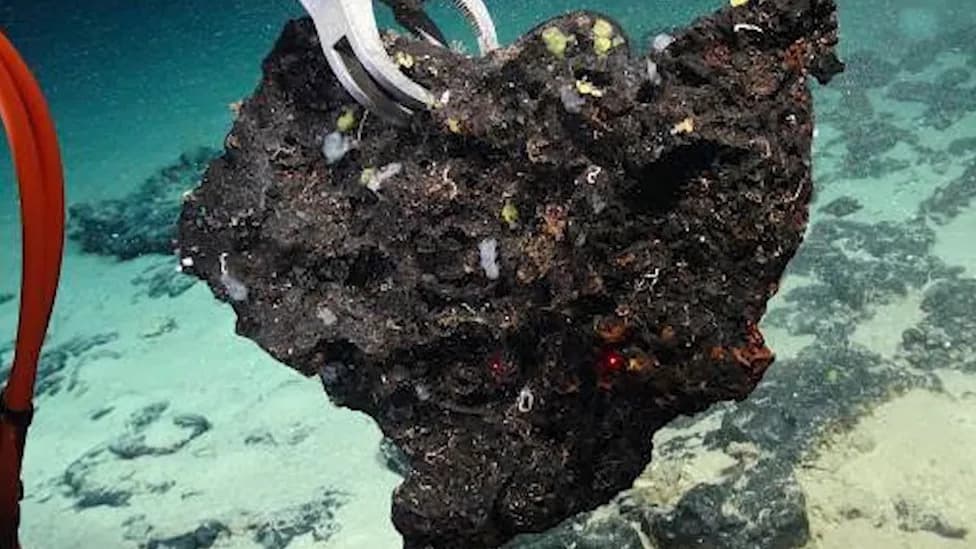
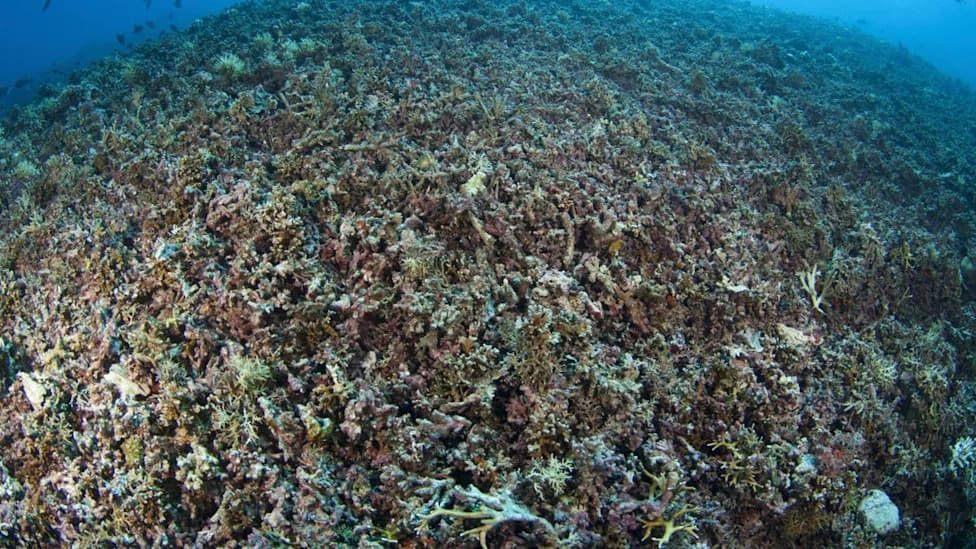
The debate has intensified because proposals to expand marine protected areas—part of a government goal to protect 30% of Uruguay’s maritime territory—appear to overlap some of the blocks granted for exploration. Those areas include underwater canyons and cold‑water coral mounds, habitats scientists describe as fragile and of high ecological value.
Industry plans and outlook
Apache announced plans to drill an exploratory well in 2026 on a block more than 124 miles offshore in water depths exceeding 6,560 feet. YPF said it is optimistic about the prospects and drew comparisons with recent discoveries off Namibia. Environment Minister Edgardo Ortuño has defended the need for surveys to determine Uruguay’s deep‑water energy potential while pursuing expanded marine protection.
What happens next
Legal challenges and public debate are expected to continue as regulators finalize conditions and conservation planning moves forward. Observers say independent monitoring, stricter exclusion zones and a full cumulative‑impact review would be essential steps to balance exploration interests with marine conservation.
Help us improve.