Turmus Ayya and other West Bank communities report near-daily attacks and growing intimidation as settler outposts expand on and near private Palestinian land. During October’s olive harvest the U.N. recorded an average of eight attacks per day, the highest monthly rate since 2006, and violence continued into November. Critics say investigations into settler violence have fallen sharply and rarely lead to convictions, while outposts such as Emek Shilo reinforce a climate of fear. Despite this, villagers continue to guard their groves and vow to return.
Outposts Expand Across West Bank Villages, Deepening Fear After Brutal Attacks

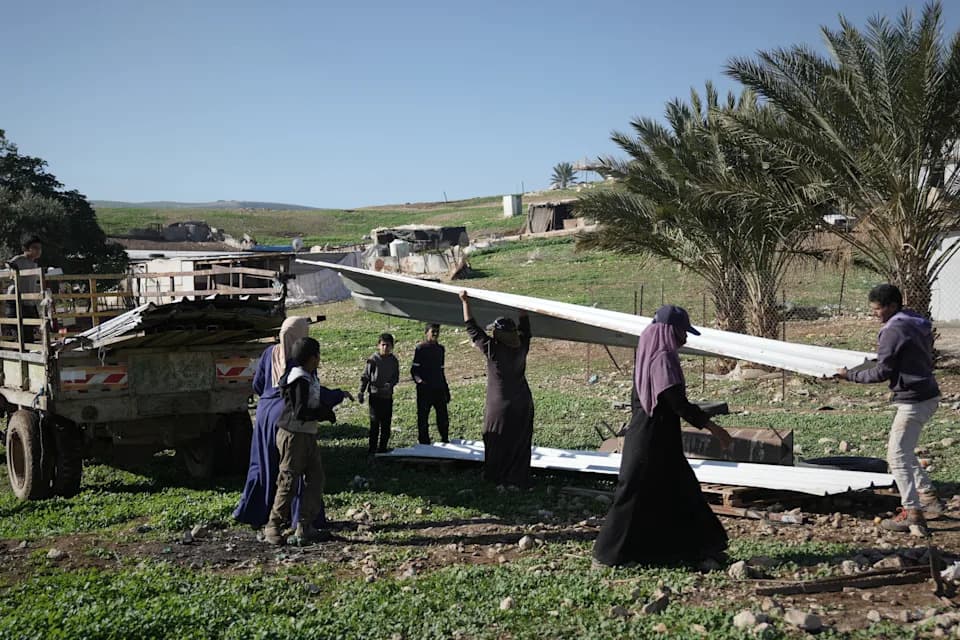
Fear hangs over the Palestinian village of Turmus Ayya. Farmers hurry through harvests, watch the valley constantly and avoid certain roads because, residents say, armed Israeli settlers can appear without warning.
“In a matter of minutes, they get on their phones. They gather themselves, and they surprise you,” said Yasser Alkam, a Palestinian-American lawyer and farmer from Turmus Ayya, describing how settlers hide among trees, ambush people and beat them severely.
In recent months, Alkam says his village has faced near-daily attacks, particularly after the establishment of an outpost that the watchdog group Peace Now says sits on Turmus Ayya’s land. He says he is too afraid to reach his own fields. In one particularly brutal incident, he witnessed a settler strike a grandmother unconscious with a spiky club.
Wider pattern of violence
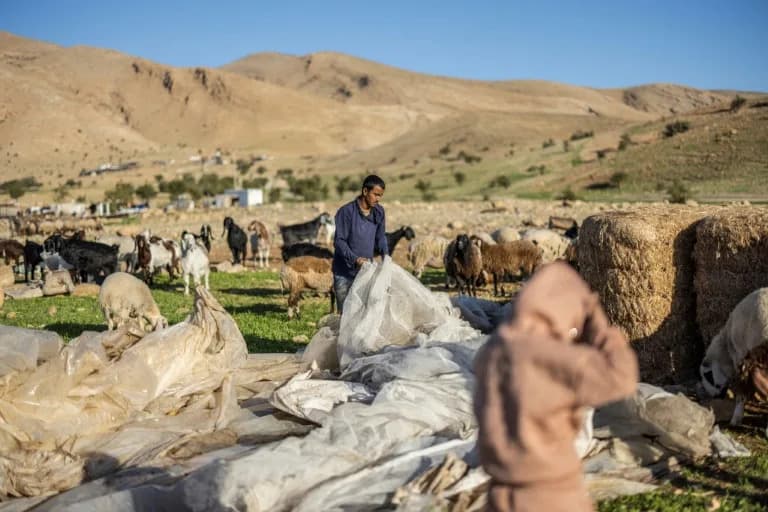
The unrest is not isolated. During October’s olive harvest, the U.N. humanitarian office recorded an average of eight settler attacks per day — the highest monthly rate since the U.N. began collecting such data in 2006 — with the violence continuing into November. Reported incidents include burned cars, desecrated mosques, ransacked industrial sites and destroyed cropland. Villagers and rights groups say official responses have mostly been limited to occasional condemnations rather than sustained action.
A widely publicized assault
On Oct. 19, Alkam encountered Afaf Abu Alia, a grandmother from nearby Al-Mughayyir, harvesting in a grove after her own 500 trees had been bulldozed earlier in the year. According to witnesses and video obtained by local sources, settlers arrived nearby and one man ran toward her with a jagged club. “The monsters started beating me,” Abu Alia later said. She required 20 stitches and spent four days in hospital.
Police arrested a man identified as Ariel Dahari in connection with the beating; an Israeli court later charged him with terrorism. Dahari is represented by Honenu, a legal aid group for settlers, which has challenged the evidence. Dahari has reportedly received multiple administrative orders in recent years, and has publicly declared his intent to remain in the West Bank.
Accountability concerns
Palestinians and human-rights organizations say soldiers and police often fail to prosecute violent settlers, creating a sense of impunity. Official police data cited by national media show a sharp decline in investigations into settler violence since 2023: authorities opened far fewer such cases in 2024 than in previous years. Human-rights group Yesh Din reports that nearly all investigation files opened between 2005 and 2024 ended without indictment, and only a small fraction produced convictions.
Outposts reinforce the threat
Villagers say the danger is reinforced by small outposts such as Emek Shilo, which Peace Now says was founded this year on private Palestinian land. Multiple residents and rights activists identified settler Amishav Melet as a founder; Melet posted construction footage on social media. Villagers describe Melet moving through the valley in an all-terrain vehicle, often armed, and say masked figures have attacked construction sites and workers. Melet denies involvement in violence and calls himself a "peace activist."
Outposts—typically a few sheds and pens—can exercise practical control over land and water and sometimes later become formalized settlements, further threatening Palestinian communities.
Local response
When settlers approach, the mosque in Turmus Ayya sounds a siren and young men sprint to block the village entrance. During harvest season, many villagers now carry cameras, hoping recorded footage will help hold perpetrators to account. That vigilance replaces earlier harvest traditions of picnics and long days beneath olive trees.
Despite the fear and violence, residents vow to return to their groves. "I’ll be back next year," Abu Alia said, underscoring both the community’s resilience and the ongoing tensions over land, safety and accountability.
Help us improve.