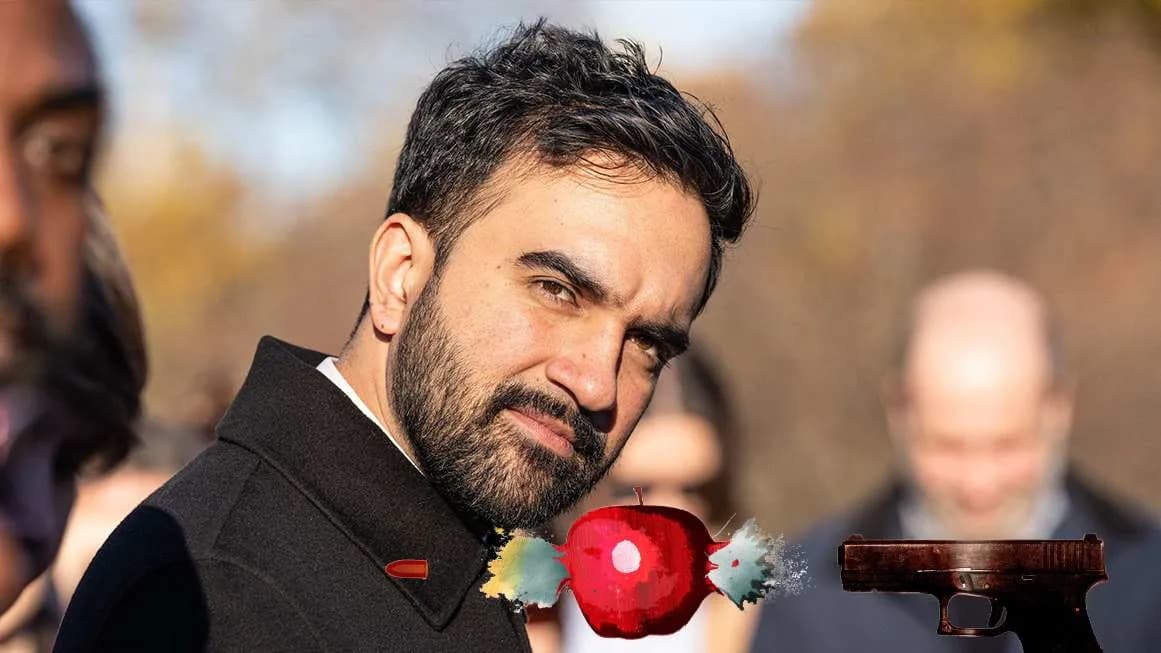
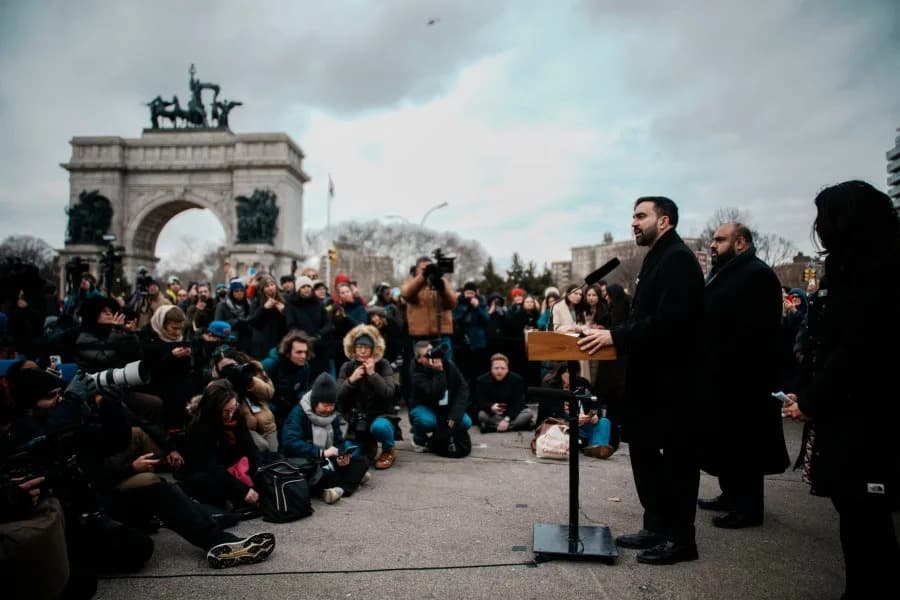
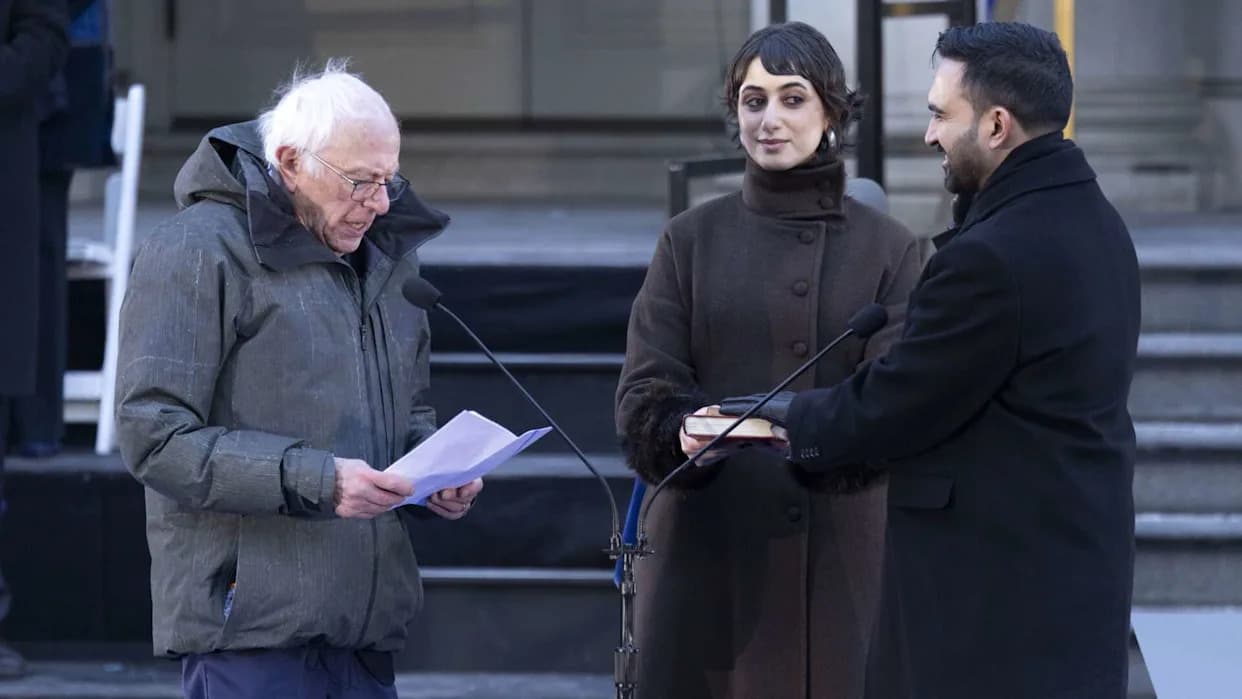
Mayor-elect Zohran Mamdani has appointed activist Tamika Mallory to a leadership role on his transition Committee on Public Safety. Mallory, a former Women’s March leader, resigned in 2019 after criticism for praising Nation of Islam leader Louis Farrakhan and has publicly supported the "defund the police" slogan and the idea that police could one day be abolished. Her appointment has drawn sharp criticism from those who cite her past remarks, while supporters say her community-organizing experience offers important perspective on reform. The pick has intensified debate over how to balance reform, accountability, and community input in public safety policy.
Mamdani Names Tamika Mallory to Public Safety Advisory Role, Drawing Sharp Criticism Over Past Remarks

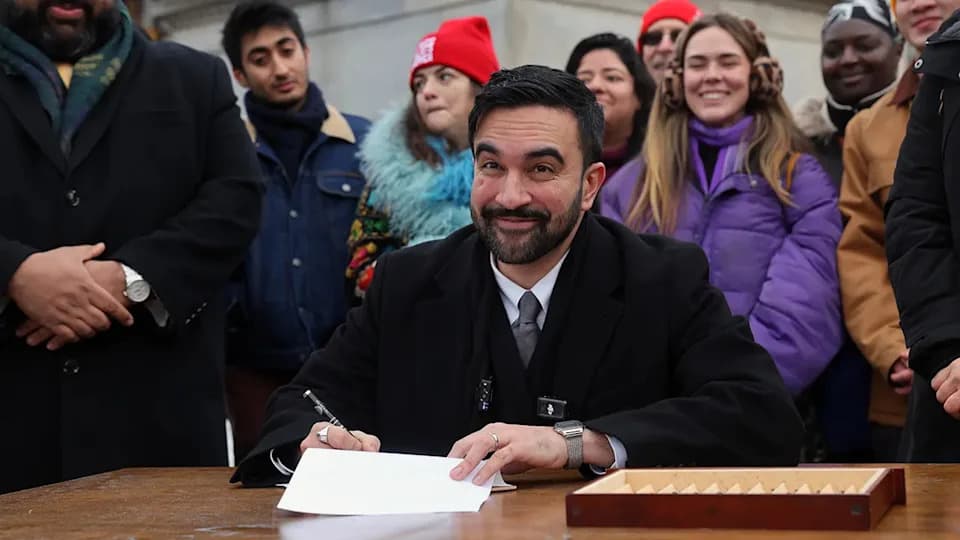
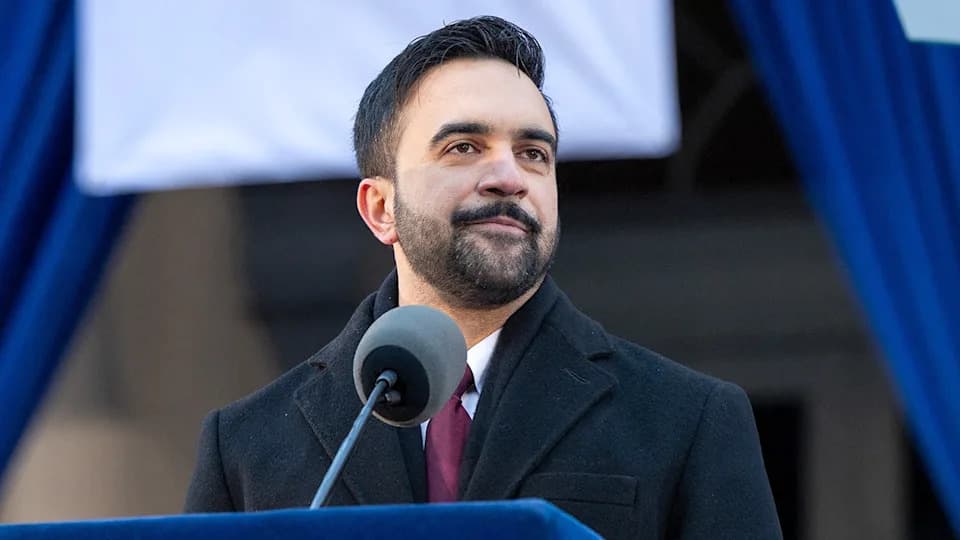
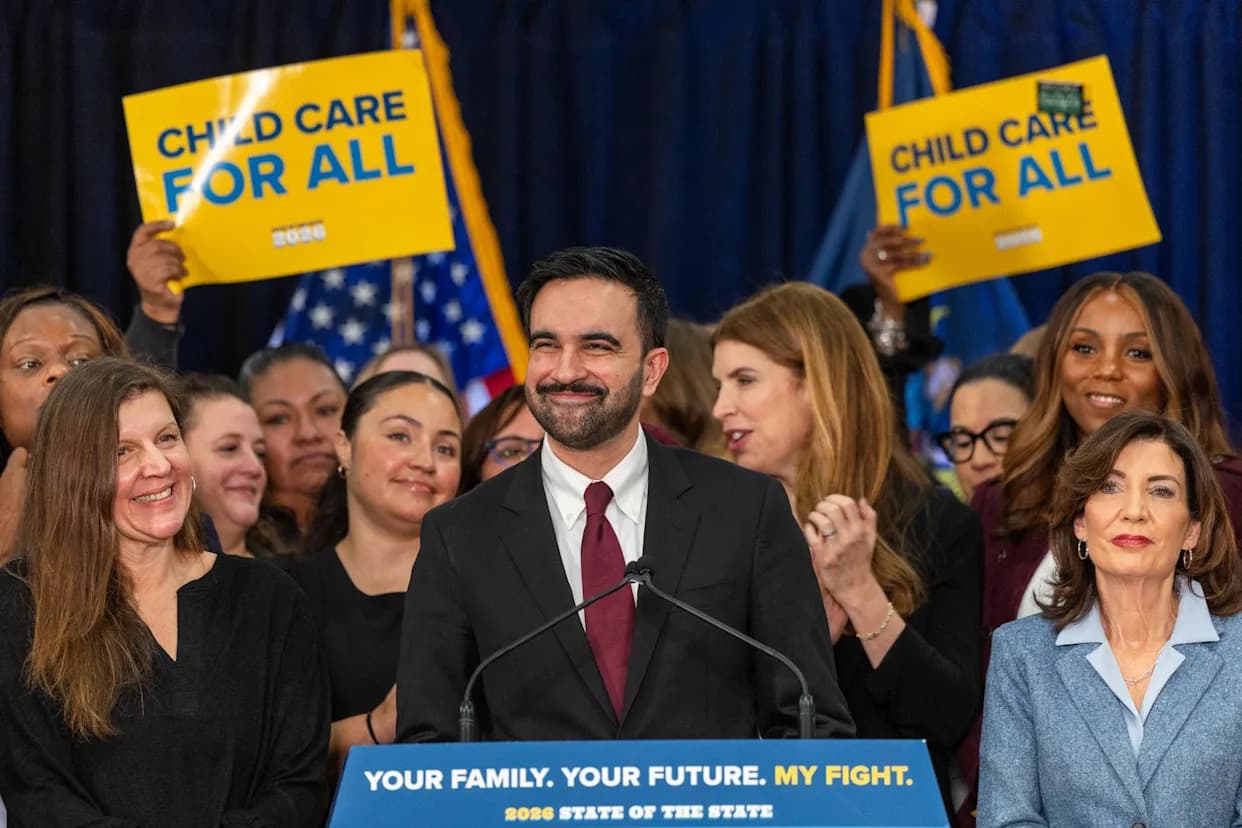
New York City mayor-elect Zohran Mamdani has appointed activist Tamika Mallory to a leadership role on his transition Committee on Public Safety. Mallory is one of roughly 400 advisors named to the broader transition team, which Mamdani described as a group of experts who will advise on personnel choices, policy development, implementation, and agency best practices ahead of the administration's start date.
Mallory is a longtime community organizer and a former national leader of the Women’s March. She stepped down from that organization in 2019 after widespread criticism for praising Nation of Islam leader Louis Farrakhan, a figure who has been widely condemned for antisemitic remarks. Mallory has repeatedly defended her attendance at Nation of Islam events and characterized Farrakhan’s work in Black communities as important, though critics highlight his history of hateful statements.
“I definitely support the term ‘defund the police,’” Mallory said in a 2020 interview. “I do believe that one day we can abolish police.”
Those past positions — including public endorsements of “defund the police” language and a statement endorsing the long-term possibility of abolition — have prompted strong objections from critics who say Mallory’s record makes her an inappropriate choice to help lead public safety guidance.
Some commentators have accused Mallory of promoting antisemitic views and spreading falsehoods about historical topics; organizations and writers who study antisemitism have publicly condemned the appointment. Supporters of Mallory and some public-safety reform advocates, by contrast, argue that her experience organizing in marginalized communities provides valuable perspective on police reform, community safety strategies, and addressing systemic inequities.
Mamdani himself has faced scrutiny over separate accusations of antisemitism, which he denies. The decision to include Mallory on a public safety advisory committee has amplified debate over how cities should balance demands for reforms, accountability, and community voices when reshaping policing and safety policy.
As the transition proceeds, the appointees are expected to contribute recommendations on personnel and policy. The controversy underscores the tensions many cities face as they consider ambitious changes to law enforcement and public safety strategy while trying to build broad-based trust.
Help us improve.