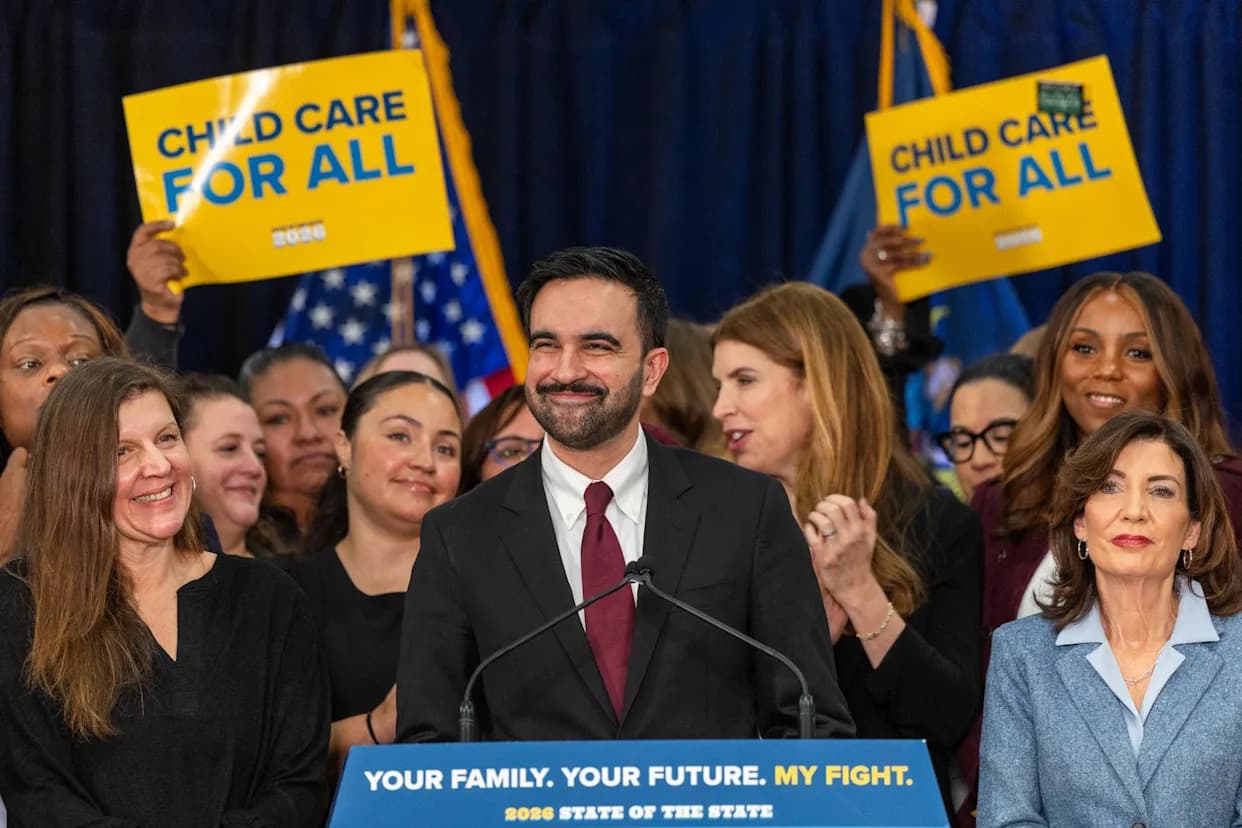
The article examines Mayor Zohran Mamdani's inauguration pledge to bring "the warmth of collectivism" to New York, describing policy promises like free bus pilots and affordable meals and the immediate questions about funding. It draws historical parallels to France's 1981 turn toward socialism and Britain's 1970s crisis to caution about potential economic risks. The piece also highlights concerns over inexperienced municipal leadership and the tension between collective goals and individual rights.
Mamdani's 'Warmth of Collectivism': Promises, Pitfalls, and Political Echoes
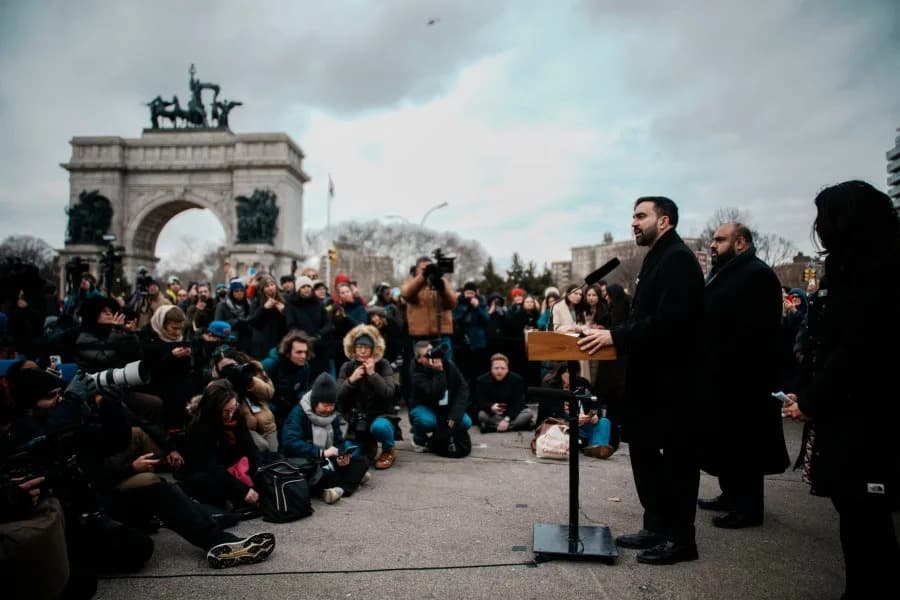
This week, voters in Seattle and New York installed mayors who identify with democratic-socialist politics, an outcome many commentators cast as a turning point for the Democratic Party and urban governance. At his inauguration, New York City Mayor Zohran Mamdani declared he would introduce the city to "the warmth of collectivism," a phrase that crystallized both enthusiasm and skepticism among residents and observers.
What Was Promised
Mamdani repeated several campaign pledges at his swearing-in, including a pilot of free bus service and expanded access to affordable meals such as an $8 Halal option. Bernie Sanders administered the oath and energized the crowd with remarks about challenging the "billionaire class" and entrenched wealth.
How Will It Be Paid For?
Funding questions surfaced immediately. Mamdani suggested the pilot could be financed by higher state taxes on the wealthy. New York Gov. Kathy Hochul rejected that proposal, citing concerns about taxpayer outflows and the state's fiscal constraints. Pressed on details, Mamdani said, "The most important fact is that we fund it, not the question of how we do it, but that we do it," a response that left practical budget mechanics unclear.
Historical Echoes
Critics invoked past episodes of ambitious collectivist policies that ran into economic trouble. Observers compare today's rhetoric to France in 1981, when François Mitterrand campaigned on a rupture with capitalism and later faced fiscal crises that forced policy reversals. Britain experienced its own turmoil during the 1970s "winter of discontent," a period that preceded sharp policy shifts and a request for international assistance.
Even local and historical American experiments in collectivism have been short-lived; for example, the 19th-century Long Island commune Modern Times (now Brentwood) dissolved after about a decade.
"You eventually run out of other people's money," Margaret Thatcher famously said — a caution often cited by critics of sweeping public-spending programs.
Rights, Experience, and Governance
Beyond fiscal concerns, many critics worry about potential trade-offs between collective goals and individual liberties, noting that authoritarian collectivist regimes have at times curtailed personal freedoms. Bishop Robert Barron summed up that sentiment bluntly on social media: "For God's sake, spare me the 'warmth of collectivism.'"
Another point of debate is administrative experience. Both Mamdani and Seattle Mayor Katie Wilson are best known as organizers and policymakers-in-the-making rather than city managers with long records running large municipal operations. Supporters argue that fresh perspectives can challenge entrenched systems; skeptics worry that the complexity of managing major cities requires seasoned executive experience.
Looking Ahead
The coming months will test whether lofty slogans translate into deliverable programs and sustainable budgets. The debate over funding, governance capacity, and the balance between collective solutions and individual rights will shape how these mayoralties are judged — locally and as a signal to national politics.
Jonathan Turley is the Shapiro Professor of Public Interest Law at George Washington University and the author of the forthcoming Rage and the Republic: The Unfinished Story of the American Revolution.
Help us improve.