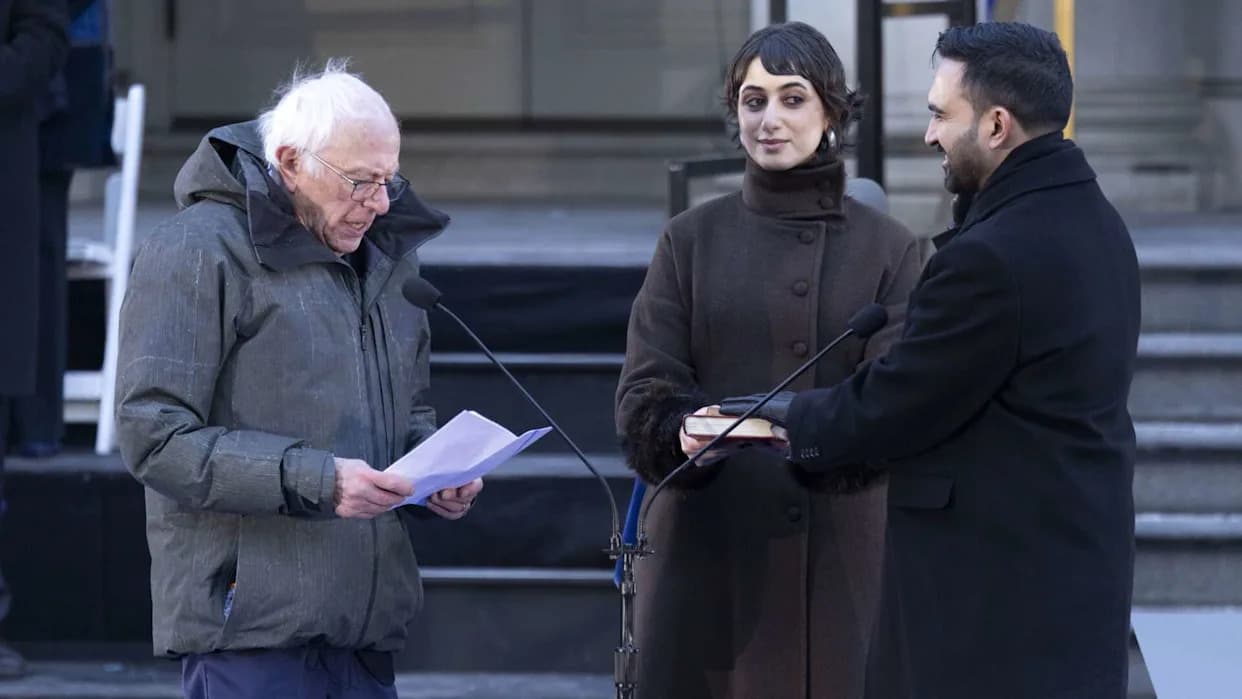
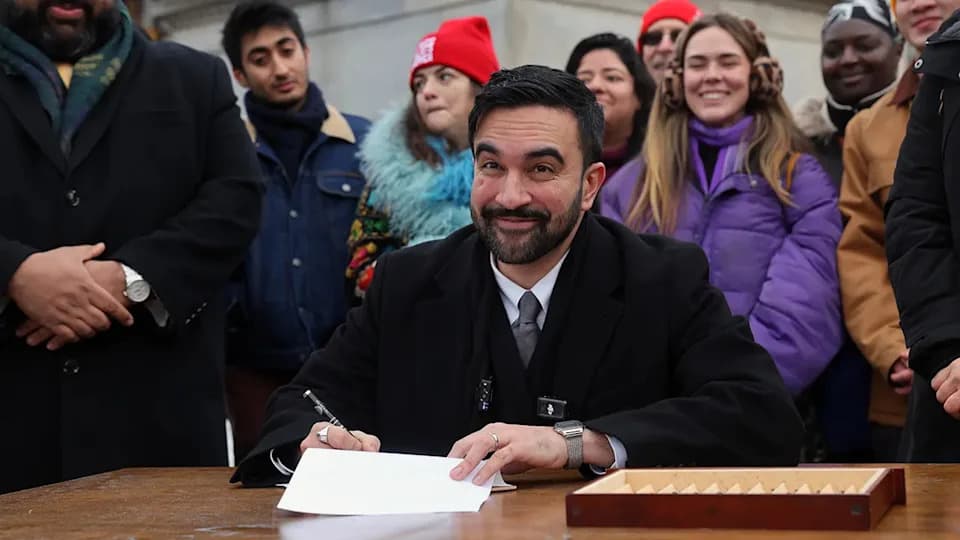
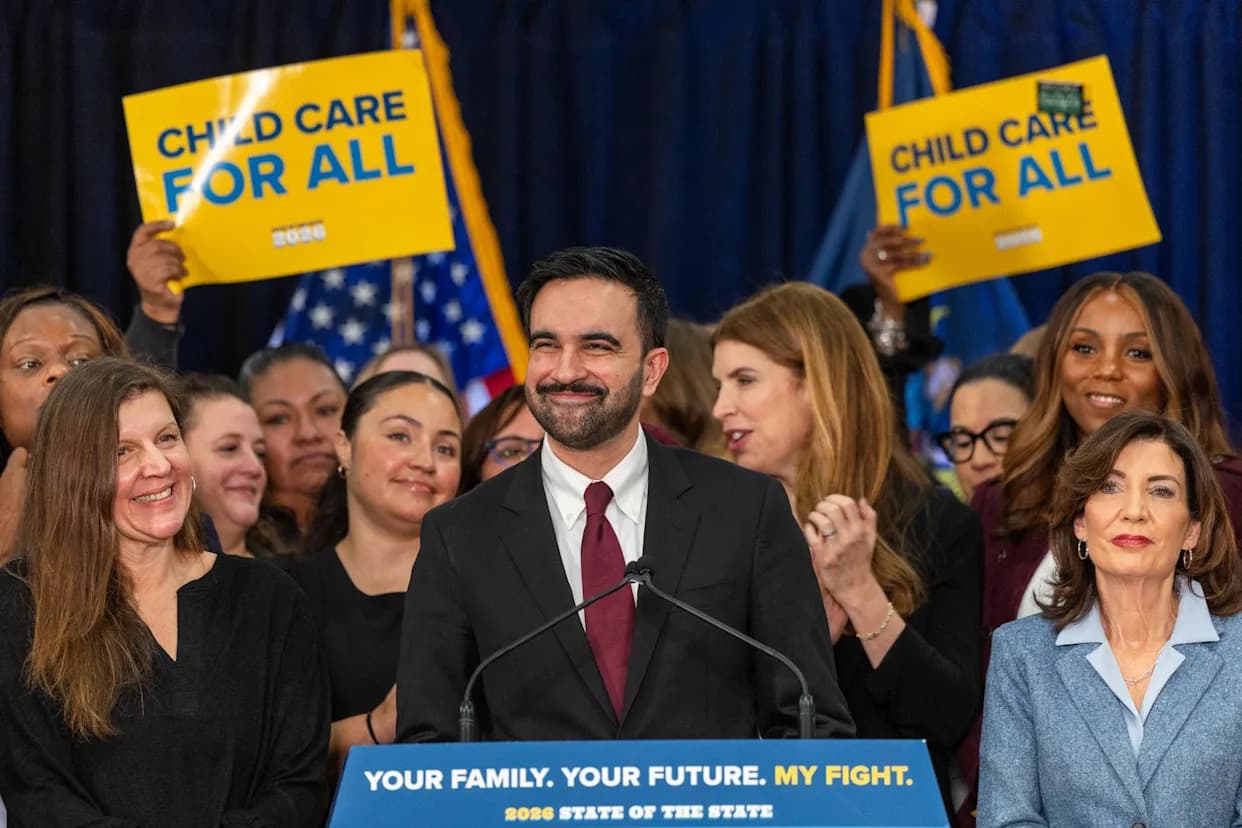
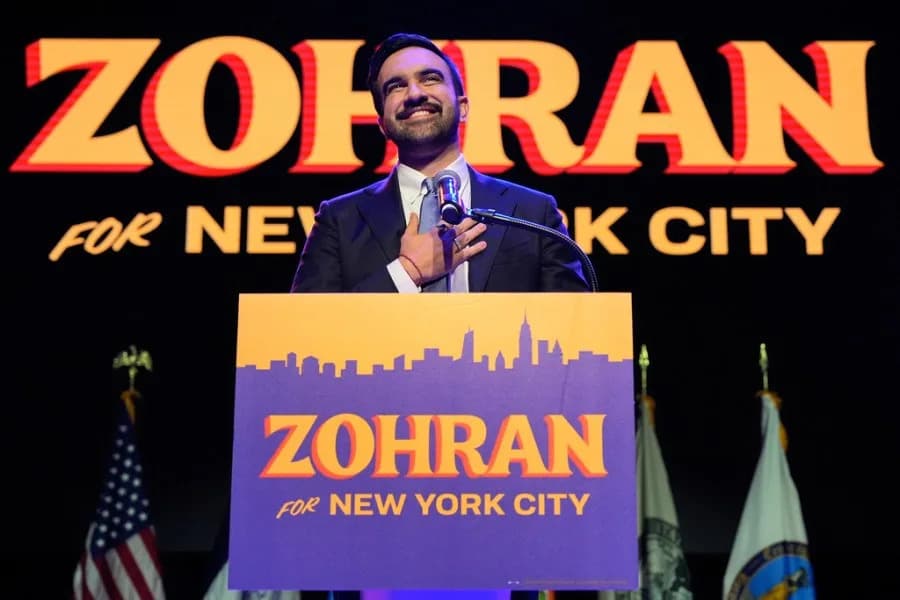
Zohran Mamdani campaigned in 2020 on sharply limiting policing but pivoted during his mayoral run, repeatedly pledging “I am not defunding the police.” He invited Commissioner Jessica Tisch to remain, signaling some continuity while clashing with her on discipline, staffing, and enforcement priorities. Major changes — like altering bail rules or Raise the Age — require state action, but Mamdani’s plan for a $1 billion Department of Community Safety could redirect low-level calls to social services and reserve police for serious crime. The coming months will show whether the city’s public-safety model shifts modestly or more substantively.
Will Mayor-Elect Zohran Mamdani Defund — Or Reimagine — The NYPD?
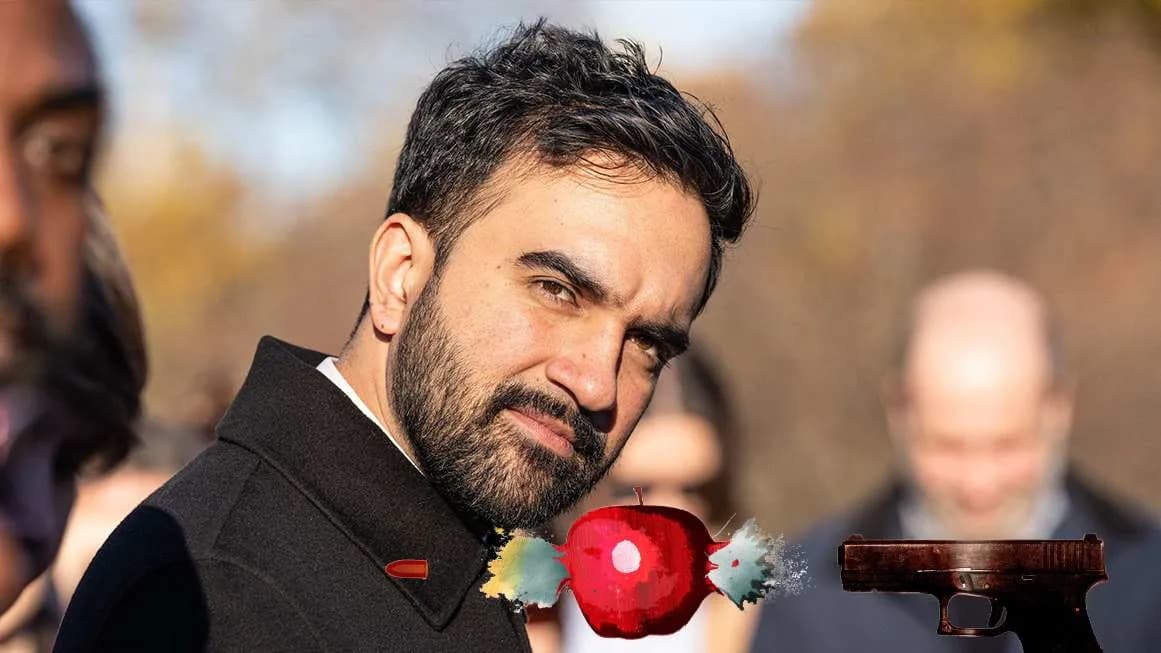
Will Zohran Mamdani Defund New York City Police?
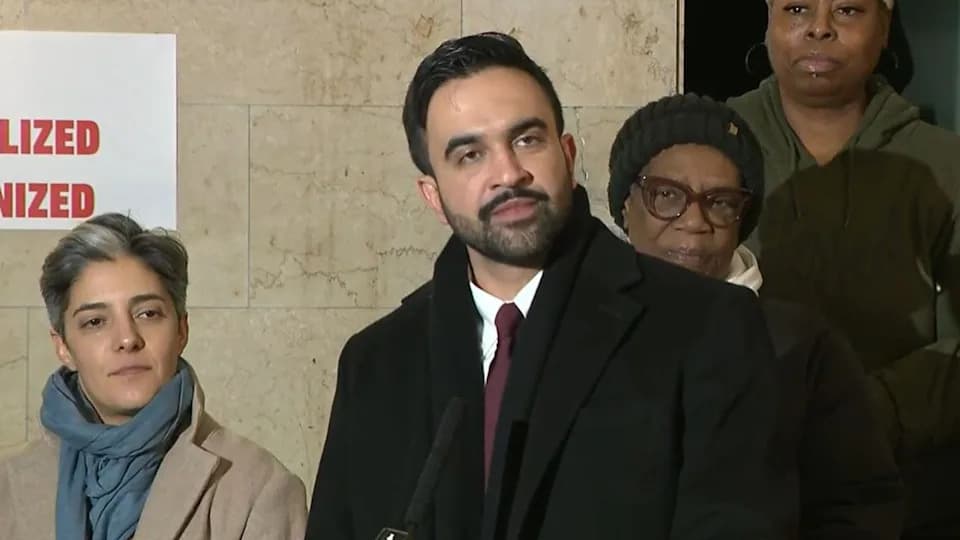
Zohran Mamdani’s record and rhetoric on policing have evolved since his entrance into New York politics, prompting both curiosity and concern about what his mayoralty will mean for the city’s public safety approach. Once an outspoken proponent of sharply limiting policing, Mamdani ran for mayor promising that he would not "defund the police" — a pivot that shaped his outreach to more moderate voters and influenced staffing decisions at the top of the NYPD.
From 2020 Rhetoric To 2025 Realities
During his 2020 campaign for New York State Assembly, Mamdani posted the phrase “Queer liberation means defund the police,” signaling a radical approach to law enforcement. By the time he campaigned citywide, he repeatedly reassured voters: “I am not defunding the police. I am not running to defund the police.” To underline that message, he invited Police Commissioner Jessica Tisch — an ally of outgoing Mayor Eric Adams — to stay on in her post.
Where City Power Runs Up Against State Law
Some high-profile disagreements between Mamdani and Tisch — such as positions on New York’s state bail prohibition (which bars judges from considering dangerousness when setting bond) and the Raise the Age reform (which moved most 16- and 17-year-olds out of adult court) — are ultimately constrained by Albany. Neither the mayor nor the commissioner can unilaterally rewrite state laws, so those debates will largely play out with state legislators.
Discipline, Oversight, And The CCRB
More immediate and locally actionable are disputes over police discipline and civilian oversight. The Civilian Complaint Review Board (CCRB) can recommend discipline after investigating NYPD misconduct, but the police commissioner currently has final authority. Mamdani campaigned on stripping that veto power from the commissioner — a move that would significantly shift accountability within the city. Tensions crystallized when Tisch rejected a CCRB finding that recommended firing Lt. Jonathan Rivera for a 2019 fatal shooting; Tisch cited a report by Attorney General Letitia James that she said made the use-of-force claim at least plausibly reasonable.
Staffing And Enforcement Priorities
Tisch has supported Mayor Adams’s plan to add 5,000 officers after several years of declining headcount. Mamdani, by contrast, has proposed keeping headcount at current levels while changing how officers are deployed. Tisch’s approach emphasizes enforcement of low-level public-order offenses — often associated with "broken-windows" tactics — such as open drug use, fare evasion, and disorderly conduct. The NYPD credits that strategy with contributing to recent drops in some crime measures.
A Different Prevention Model
Mamdani’s alternative centers on prevention and the diversion of low-level calls to non-police responders. He proposed creating a Department of Community Safety with a budget reportedly exceeding $1 billion to address poverty, inequality, and to route certain mental-health and social-service calls away from uniformed officers. While the plan aims to free police to concentrate on major crimes, critics note that New York City already operates an extensive social safety net and that implementing such large-scale change will be complex.
What To Watch Next
The balance between these visions will unfold in personnel choices, budget priorities, and policy design. Mamdani’s public safety transition team includes figures across the spectrum — from Commissioner Tisch’s more traditional law-enforcement posture to academic critics of policing such as Alex Vitale. How those voices are reconciled, and which reforms receive funding and statutory backing, will determine whether the city experiences marginal adjustments or a more structural reimagining of public safety.
Bottom Line: Mamdani has softened his earlier rhetoric and signaled a hybrid approach: retaining police leadership while proposing an ambitious, prevention-focused alternative to conventional policing. The mayor’s real leverage will be in how he funds, staffs, and legally structures those changes amid state-level constraints.
Help us improve.