Fujifilm has formed a regional bioethics committee of independent experts to guide ethical policy as the company expands into drug development. The panel — which meets for the first time in December — will advise on cell therapy, biomanufacturing, regenerative medicine, embryonic stem cell research, high‑potency cancer drugs and the use of AI in R&D. Company leaders say the committee will help ensure patient and public interests remain central, reduce reputational risk and inform responsible R&D planning.
Fujifilm Creates Independent Bioethics Committee to Guide Its Shift into Drug Development

As Fujifilm accelerates its move from cameras into pharmaceuticals, the company has created a regional bioethics committee to help navigate complex ethical and policy questions that arise with cutting-edge biomedical research.
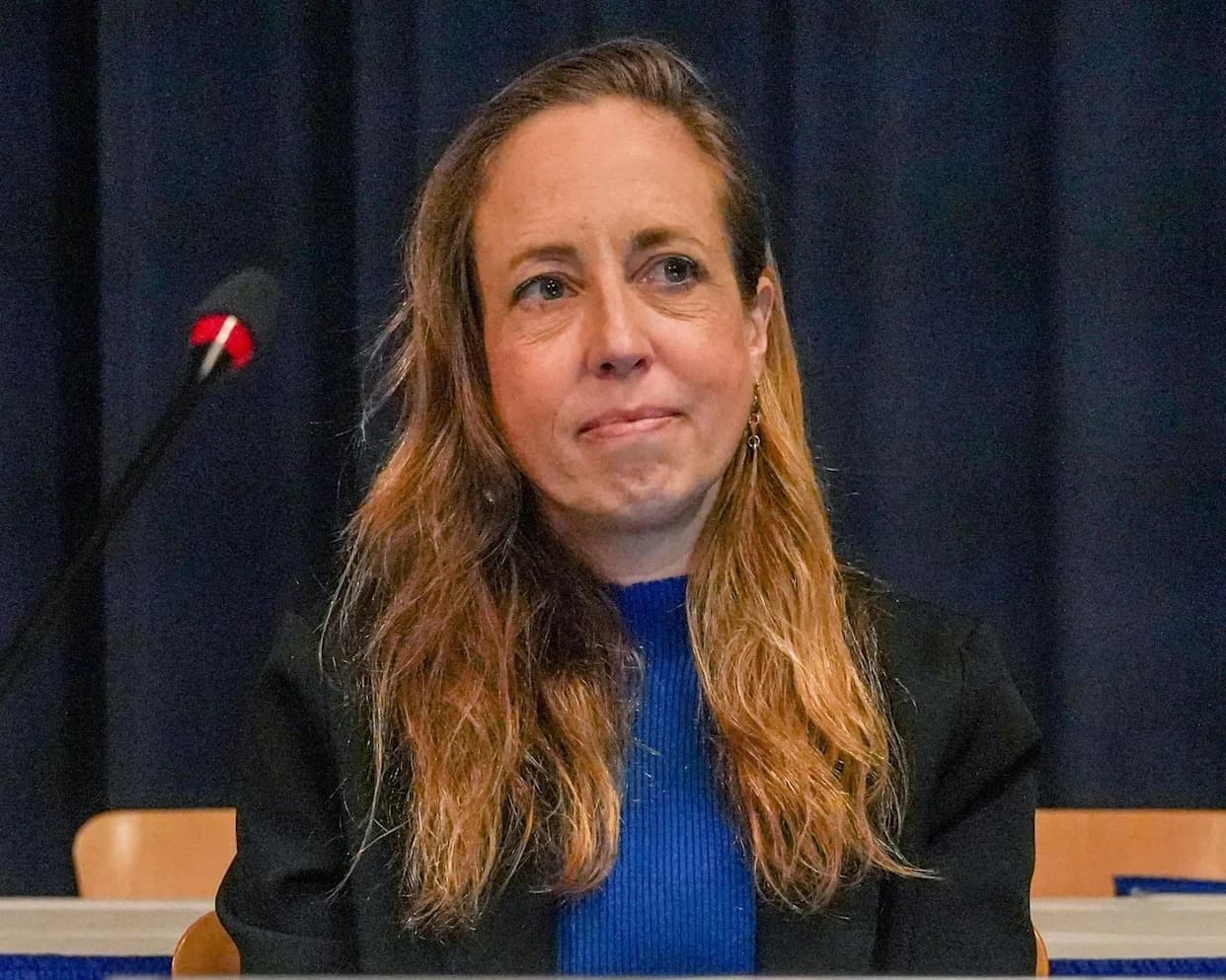
Fujifilm’s compliance team initially relied on outside consultants to address novel ethical issues, but leaders concluded a permanent, expert forum was necessary, said Patricia Colombo, vice president and chief compliance officer at Fujifilm Holdings America Corporation.
The new advisory panel — composed of independent specialists in bioethics, medicine, law, compliance, government affairs and patient advocacy — will hold its first meeting in December. Its remit includes reviewing and advising on ethical questions and drafting policy in areas such as cell therapy, biomanufacturing, regenerative medicine and related life‑sciences work.
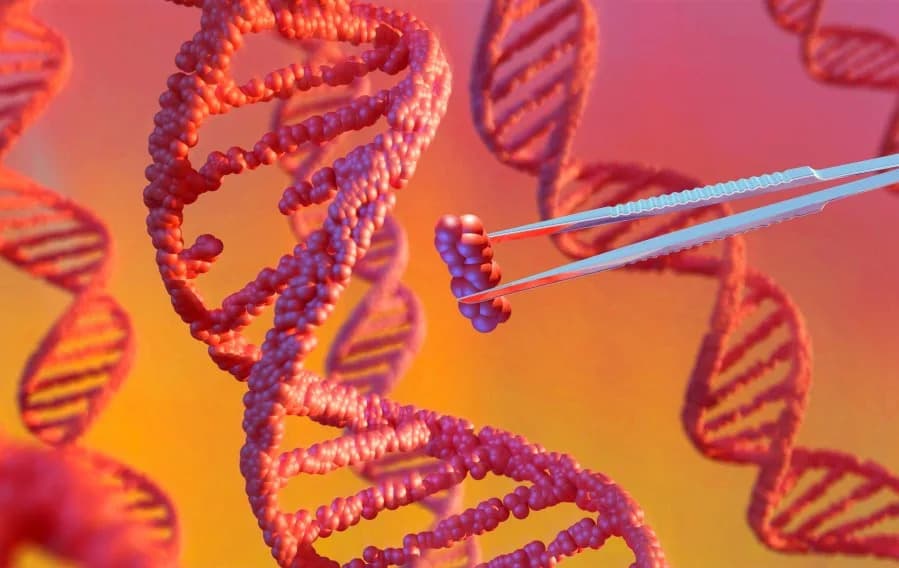
The committee will focus on several high-stakes and sometimes controversial topics. These include ethical standards for embryonic stem cell research (deciding which stem cell lines and experiments the company will pursue), safeguards for high‑potency therapies such as antibody‑drug conjugates used in oncology, and guidance for the responsible use of artificial intelligence in product development with attention to bias mitigation and patient privacy.
“We felt that it was necessary to have a formal and dedicated forum to discuss these topics more in depth with the most current data and reviews from subject matter experts,” Colombo said. “The committee’s perspective on emerging issues and scientific trends can help inform our life‑sciences R&D planning and policies and help ensure that the interests of patients, researchers and the public remain central to our R&D activities.”
Fujifilm is not alone: major pharmaceutical companies including Novartis, Roche, Bayer and Merck & Co. have also established ethics committees to confront novel dilemmas posed by rapid scientific advances. Companies that formalize ethical oversight seek to reduce reputational and regulatory risks and to make more defensible, publicly minded decisions.
Colombo said companies without structured processes and expert input risk decisions that could run counter to the public interest. “True integrity requires thoughtful governance and proactive engagement with complex moral questions, not just meeting minimum regulatory expectations,” she added.
What to watch: how the committee sets policies on embryonic stem cell lines, the specific safeguards it recommends for high‑potency agents, and the frameworks it adopts to ensure AI tools are fair, transparent and protective of patient data.
Help us improve.