George Abaraonye, a 20‑year‑old Oxford Union president‑elect, apologised to Charlie Kirk’s widow and children after messages and a social post appeared to celebrate Kirk’s fatal shooting. The remarks prompted a vote of no confidence and public condemnation from the Union. Abaraonye said he had "very little context" when he posted, accepted criticism, and reported that the backlash included violent threats and racist and classist abuse that affected his mental health.
Oxford Union President‑Elect Apologises to Charlie Kirk’s Family After Messages Appeared to Celebrate His Killing
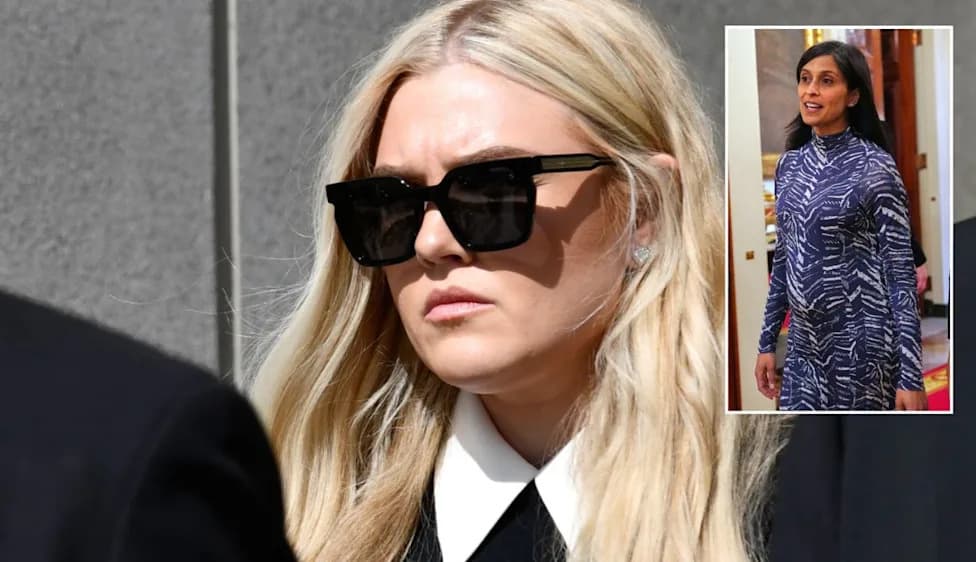
George Abaraonye, a 20‑year‑old Philosophy, Politics and Economics student who had been elected president of the Oxford Union, has issued a formal apology to the family of conservative activist Charlie Kirk after messages and social posts emerged that appeared to celebrate Kirk’s fatal shooting.
A vote of no confidence was later passed by members after screenshots from an Oxford Union WhatsApp group showed Abaraonye writing, "Charlie got shot, let’s f*cking go," shortly after Kirk was shot while speaking on stage on September 10. He also posted on Instagram: "Charlie Kirk got shot loool." The Union publicly distanced itself from the remarks and said it did not endorse those sentiments.
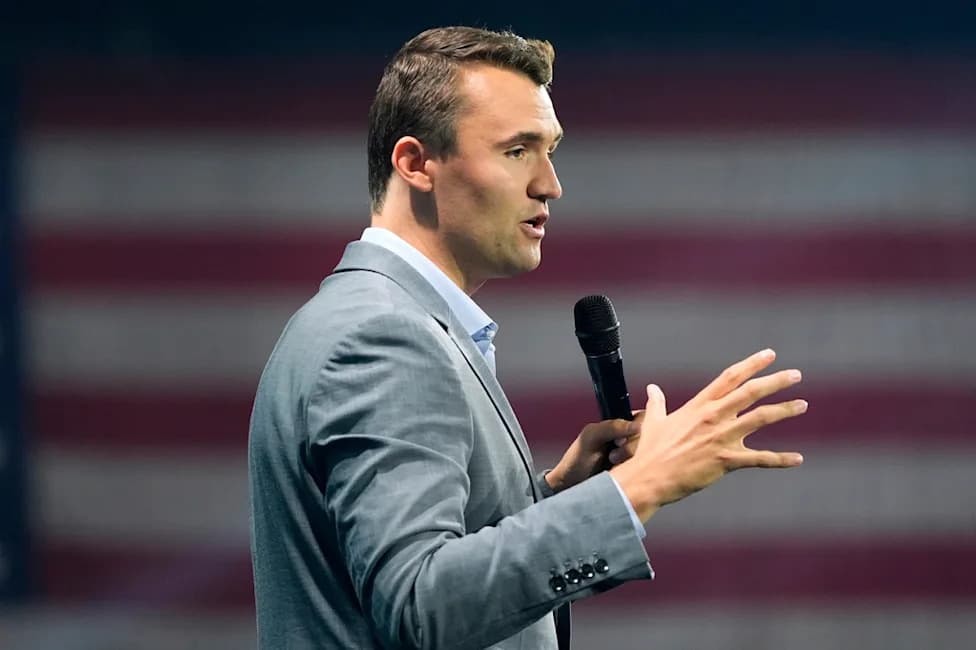
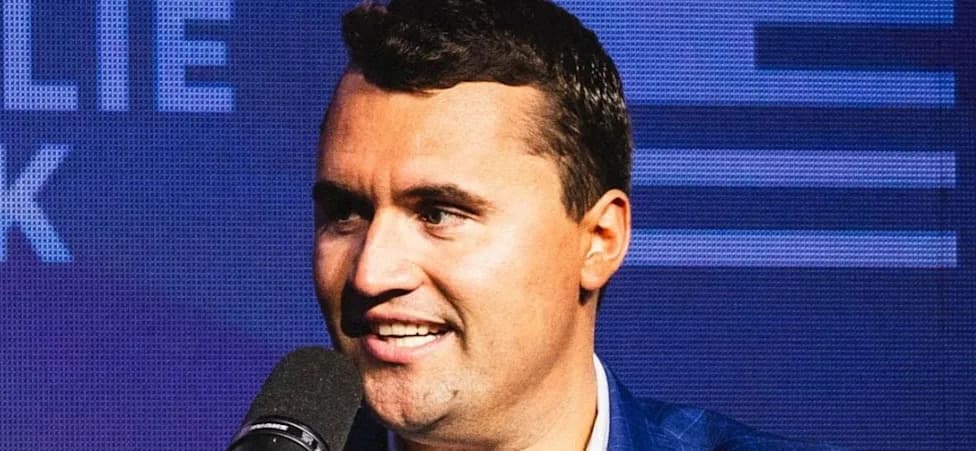
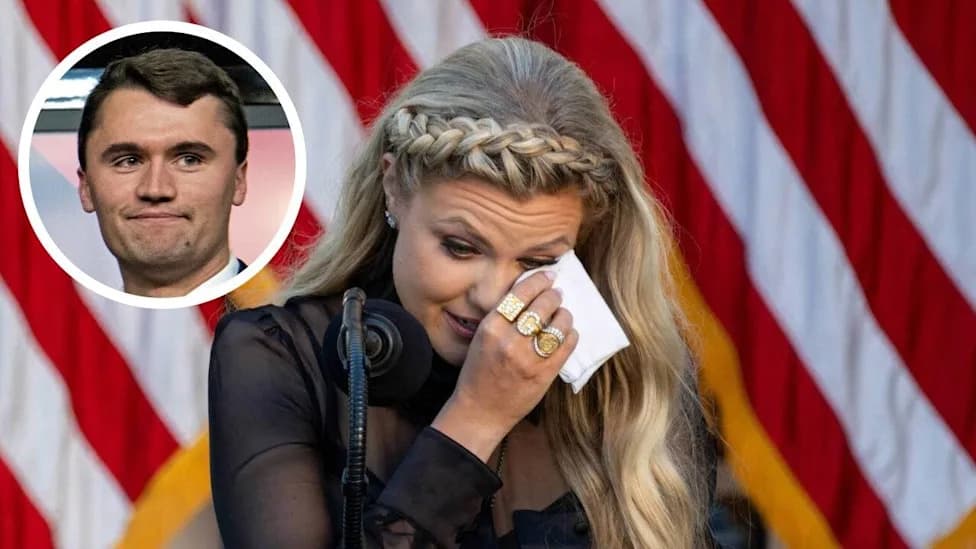
The incident drew further attention because Abaraonye and Kirk had debated at the Oxford Union months earlier on topics including marriage, abortion and masculinity. Facing intense backlash, Abaraonye has now apologised directly to Kirk’s widow, Erika, and their two children.
"I want to offer my apologies and my condolences. No one deserves to lose a husband, no child deserves to grow up without a father… I am very sorry."
In discussions with journalists and in a broadcast interview with presenter Lewis Goodall, Abaraonye said he had made the comments with "very little context" about what had happened and reiterated his regret. He said he accepted fair criticism of his actions but also described receiving violent threats and sustained online abuse aimed at him, his family and friends.
Abaraonye added that some of the reaction included racist and classist attacks tied to his identity as a Black student at Oxford, and that the torrent of abuse left him "really scared" and contributed to a mental health collapse. He said the episode had been difficult not just for him but for those close to him.
The controversy highlights ongoing questions about online behaviour, accountability for public figures and the consequences of inflammatory comments shared on social platforms. The Oxford Union’s leadership and membership have since sought to address the fallout through internal processes.
Help us improve.