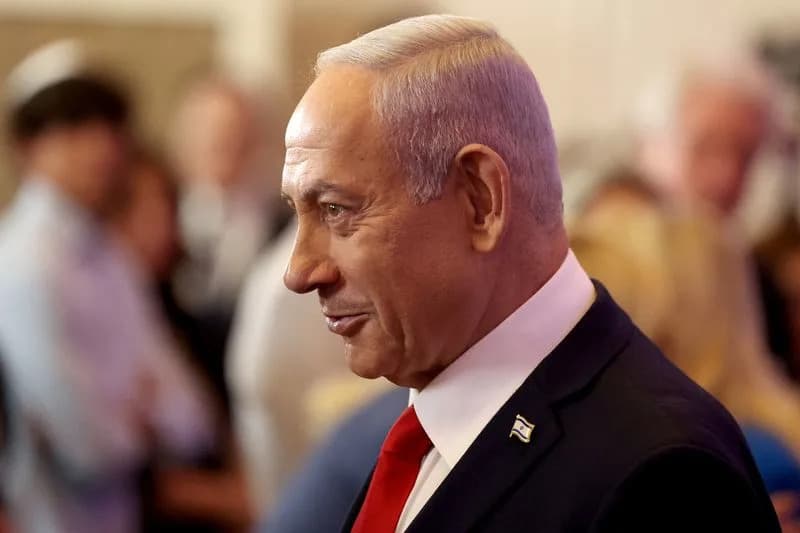
Prime Minister Benjamin Netanyahu has formally requested a presidential pardon aimed at halting his ongoing corruption trial. The move could end the prosecution if granted, but would almost certainly trigger intense legal and political debate. Observers warn it may deepen divisions over the separation of powers and accountability in Israel. The president's review and any subsequent decision are likely to have immediate national repercussions.
Netanyahu Seeks Presidential Pardon to Halt Corruption Trial, Sparking Legal and Political Debate
Prime Minister Benjamin Netanyahu has formally asked Israel's president for a pardon in an attempt to stop the corruption trial he is currently facing. The request represents a high-stakes legal maneuver with major political implications for an already polarized country.
Background
Netanyahu has been indicted on charges that include bribery, fraud and breach of trust. His trial has been a central issue in Israeli politics, shaping public debates and influencing party dynamics for years.
What a Pardon Would Mean
A presidential pardon could, if granted, bring an immediate end to criminal proceedings or remove legal obstacles, depending on how it is applied. In Israel, pardons involve the president and relevant legal and advisory bodies; any decision would be closely scrutinized and could generate further legal challenges.
Political and Legal Consequences
Analysts warn that granting a pardon to a sitting prime minister accused of corruption would intensify discussions about the separation of powers, rule of law and political accountability. Supporters argue a pardon could restore political stability, while critics say it would undermine judicial independence and set a contentious precedent.
Next steps: The president will now review the request, consulting legal advisers and relevant committees. The timing and outcome are uncertain, but the decision is likely to have immediate political fallout.
As the situation develops, observers will be watching not only the legal outcome but also the broader implications for Israeli democracy and public trust in institutions.
Help us improve.