Sen. Tim Kaine said on Nov. 30, 2025, that he will refile war‑powers measures if the U.S. undertakes military action against Venezuela, arguing recent deployments and revelations change the political landscape. He demanded evidence and a persuasive legal justification for recent maritime strikes and called a reported order to "kill everyone" aboard a suspected drug vessel a potential war crime. Kaine also criticized a planned pardon for former Honduran President Juan Orlando Hernández and warned against broad immigration pauses after the fatal shooting of two National Guard members.
Kaine Vows to Refile War‑Powers Measures, Calls Reported 'Kill Everyone' Order a Potential War Crime

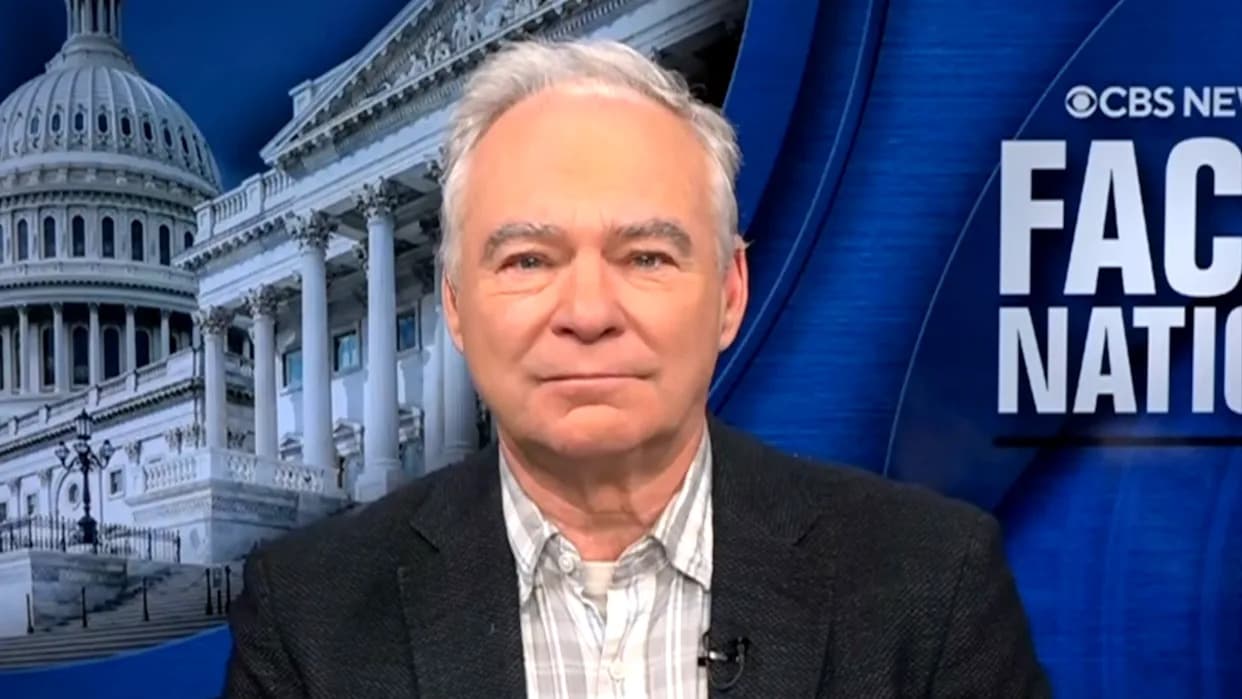
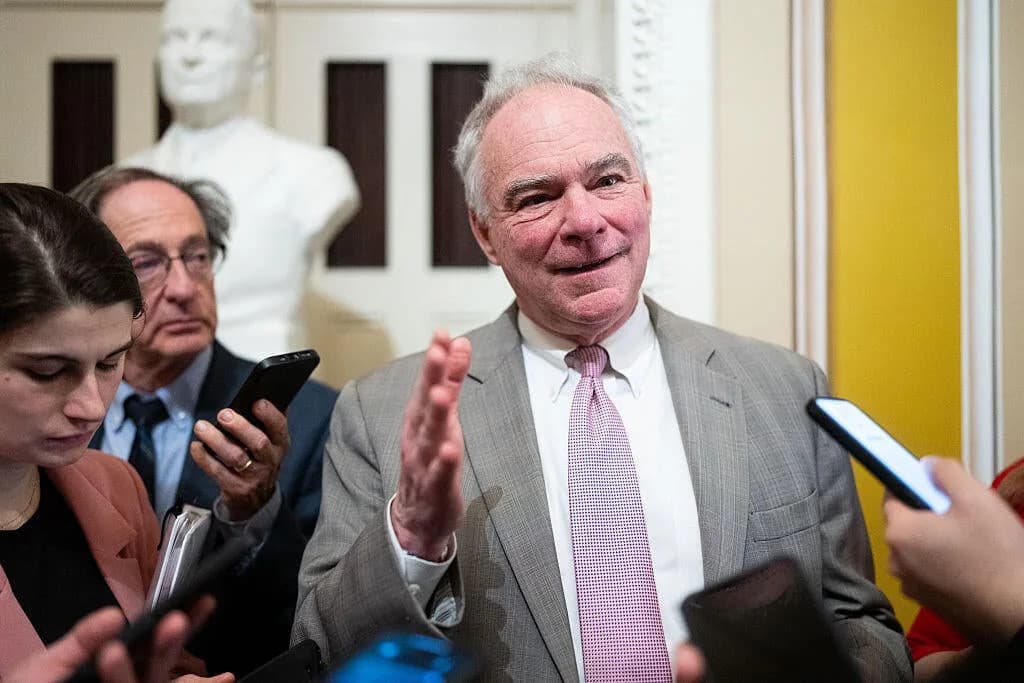
The following is a rewritten transcript of an interview with Senator Tim Kaine (D‑Va.) on Nov. 30, 2025.
Interviewer: Thank you for joining us.
Sen. Tim Kaine: Glad to be here.
Venezuela and congressional authority
Interviewer: There are signs the U.S. could be preparing military operations near or inside Venezuela, possibly including ground forces. You have twice tried to pass war‑powers resolutions requiring presidential authorization from Congress for such action. If ground operations begin, do you think congressional votes will change, and would approval matter by then?
Sen. Kaine: I do expect the vote totals to change. My colleagues and I filed a resolution that would prohibit war in or against Venezuela without congressional approval. It failed earlier, but that vote came before additional U.S. assets were deployed and before public statements about closing Venezuelan airspace. If military action begins, I will immediately refile those measures with colleagues including Senators Schumer, Paul and Schiff.
Questions about maritime strikes and accountability
Interviewer: You're referring to recent reporting that a senior official ordered U.S. forces to "kill everyone" aboard a suspected drug vessel. What do you want to know from the Pentagon?
Sen. Kaine: If that reporting is accurate, it would violate Department of Defense rules of engagement and international law, and could amount to a war crime. For months we've pressed the Pentagon to provide evidence that the people on those boats were actually narcotraffickers. In one reported incident two survivors — a Colombian and an Ecuadoran — were allegedly returned to their home countries and released rather than detained and prosecuted. That raises serious questions: if they were traffickers, why were they released? Why strike instead of interdicting vessels, which yields evidence, seizures and detainees who can provide testimony against higher‑level criminals?
We also need a clear legal explanation for strikes in international waters. When the administration provided its classified rationale, it was not persuasive to many in Congress. These concerns are compounded by the early retirement of the head of U.S. Southern Command, reporting that SOUTHCOM's lead attorney questioned the lawfulness of the strikes, and allies pausing intelligence sharing over legality concerns. Taken together, these developments make it imperative for Congress to reassert its constitutional role on matters of war and peace.
Pardon of former Honduran president
Interviewer: The president announced plans to pardon former Honduran President Juan Orlando Hernández, who was convicted in the U.S. of conspiring with drug cartels. Does this surprise you given administration rhetoric on narcotrafficking?
Sen. Kaine: It's shocking. Hernández was convicted in a U.S. federal court of conspiring with cartels to traffic massive quantities of cocaine. Pardoning someone with that record — less than a year into a 45‑year sentence — raises troubling questions about the administration's priorities and about whether pardons are being politicized or abused. If the White House is indifferent to major drug traffickers, it calls into question the motivations behind other actions in the region.
Domestic response and immigration policy
Interviewer: After the fatal shooting of two National Guard members, the administration paused asylum decisions and Afghan immigration applications and floated a broader pause on immigration from unspecified "third world" countries. Is there a defensible case for suspending these processes?
Sen. Kaine: First, we should honor the two Guards members who were killed and mourn with their families. They should have been home for Thanksgiving, not deployed in a politically charged mission performing law‑enforcement duties that local authorities could handle. The response should focus on prosecuting the individual criminal responsible, not stigmatizing entire groups of people.
Blanket pauses on asylum or immigration from broad regions are misguided and morally wrong. Immigrants strengthen communities: in Virginia, roughly one in nine residents is an immigrant. Policymakers should avoid painting whole populations with the actions of an individual and should instead pursue targeted law enforcement and careful, evidence‑based immigration policy.
Interviewer: It sounds like Congress will be discussing this at length.
Sen. Kaine: It will, and we intend to press for answers and legal clarity.
Interviewer: Thank you, Senator Kaine, and happy Thanksgiving.
Sen. Kaine: Thank you.
Help us improve.