New Orleans Police Superintendent Anne Kirkpatrick said this week that unlawful presence in the U.S. can be a "civil issue," and that the NOPD will not enforce certain federal immigration statutes while remaining prepared to protect public safety during federal operations. Her remarks, made as a 15-year consent decree concluded, drew swift criticism from conservative commentators and Louisiana officials who pointed to criminal statutes such as 8 U.S.C. § 1325. Legal experts note the distinction between criminal entry offenses and civil removal proceedings under statutes like 8 U.S.C. §§ 1182 and 1227. The NOPD did not provide an on-the-record response before publication.
New Orleans Police Chief Draws Criticism After Calling Unlawful Presence a 'Civil Issue' Ahead of ICE Operation
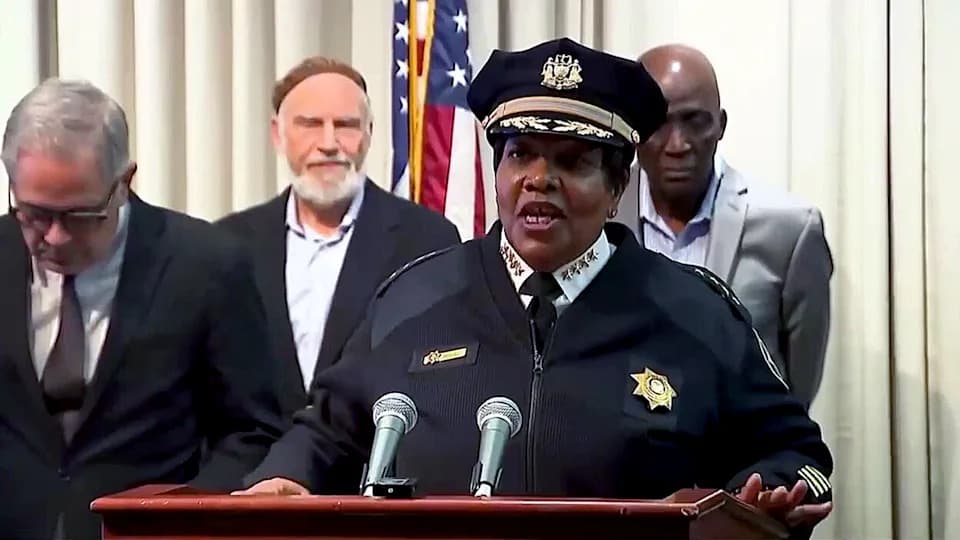
New Orleans Police Department Superintendent Anne Kirkpatrick sparked controversy this week when she described unlawful presence in the United States as a "civil issue" and said the NOPD would not enforce certain federal immigration statutes — though the department would respond to protect public safety and assist anyone in danger during federal operations.
Kirkpatrick made the remarks at a press conference marking the end of a 15-year consent decree between the city and the federal government, a settlement that followed a Justice Department probe into alleged civil-rights violations. Answering reporters, she differentiated between civil immigration matters and criminal enforcement.
"To be in the country undocumented is (a) civil issue," Kirkpatrick said. "We will not enforce civil law, and so our support is to make sure they're not going to get hurt and our community is not in danger."
She also addressed expectations of an imminent federal sweep by immigration authorities:
"Am I expecting them to come? Yes, I'm expecting them to come. But can I tell you they're coming Friday? No, I can't tell you that."
Kirkpatrick added that the NOPD would provide assistance if federal agents requested help to protect people at risk:
"If they call for help because they say they're going to be hurt, we are going to be there in order to help anyone in danger. We are not enforcing — because we can't."
The comments quickly circulated on social media and drew sharp criticism from conservative commentators and state officials who argued that some immigration violations are criminal offenses and that local law enforcement should cooperate with federal authorities.
Prominent critics included commentator Chaya Raichik and conservative voices who called the superintendent's characterization incorrect. Florida journalist Eric Daugherty wrote in response to a clip of Kirkpatrick: "False. It is a crime. How can you be the leader of a major police force and not know this? Arrest and deport. No exceptions." Louisiana Attorney General Liz Murrill said she spoke directly with Kirkpatrick and emphasized state law enforcement obligations: "It is a state crime to obstruct ICE and federal immigration enforcement. Law enforcement should enforce the law." Murrill added that she expects local officials not to obstruct federal authorities and supports targeted removals of violent offenders.
Some critics also linked the superintendent's leadership to other local controversies, including a New Year's Day incident in which a man drove into revelers before the Sugar Bowl, arguing that preventive security measures in high-traffic areas should be reviewed.
Legal context
The debate highlights a common source of confusion: certain immigration matters are handled as civil proceedings, while others carry criminal penalties. Federal statute 8 U.S.C. § 1325 criminalizes improper entry by an alien — for example, entering outside a port of entry, eluding inspection or using false documents. At the same time, provisions such as 8 U.S.C. §§ 1182 and 1227 address inadmissibility and removal and are typically pursued through civil immigration proceedings.
Observers note that local police generally do not have authority to conduct immigration removals, though state laws and cooperation agreements can affect how local agencies interact with federal immigration authorities.
The New Orleans Police Department was contacted for comment; a representative indicated they would seek the appropriate official to respond, but no substantive on-the-record reply was provided before this report.
Help us improve.