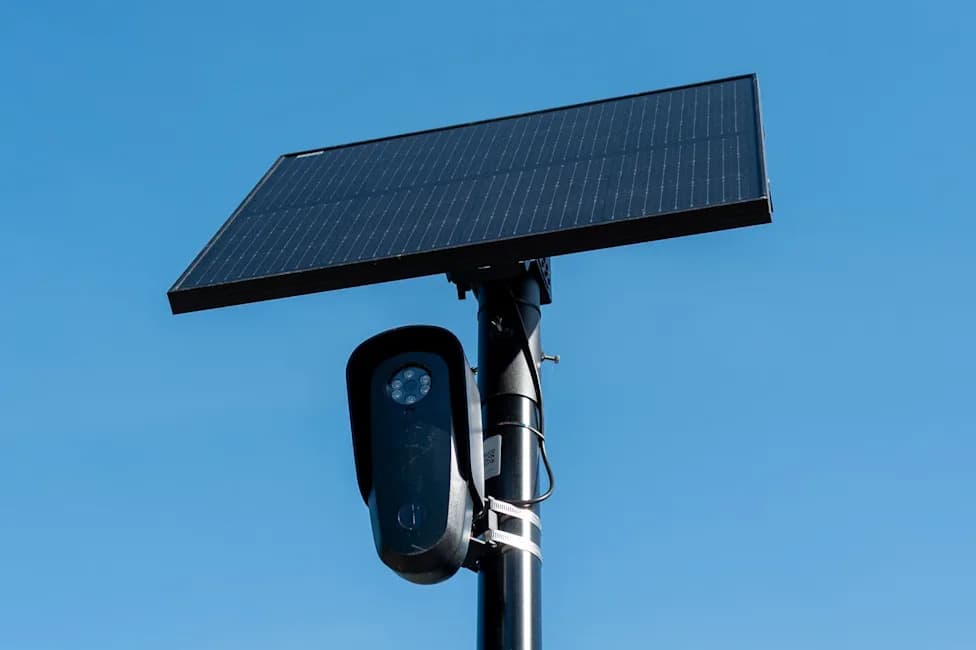
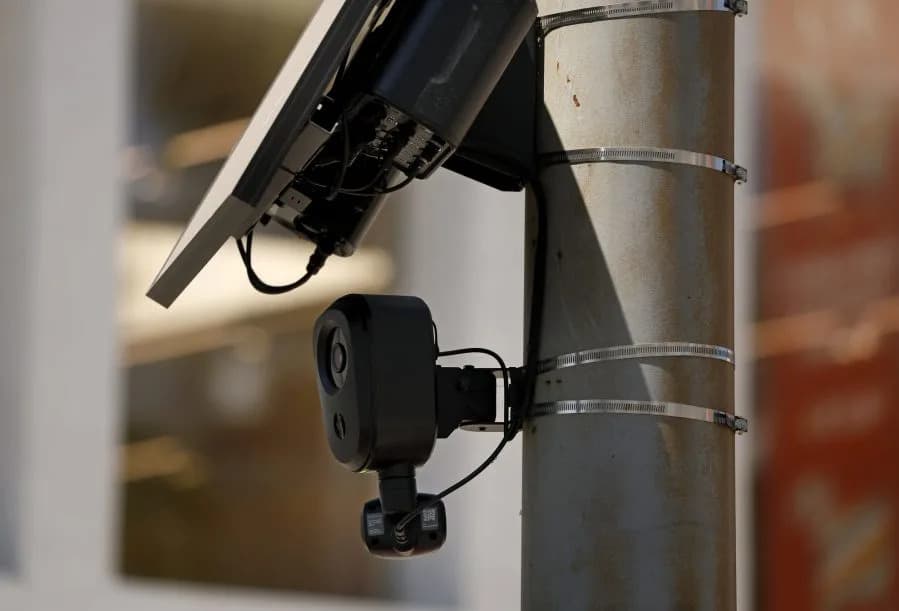
Several U.S. cities and towns have paused or ended deployments of Flock Safety’s license-plate readers amid concerns that the company’s national sharing model — and a brief DHS pilot — could enable federal tracking of residents. Officials cite risks to immigrants and other vulnerable groups even as Flock adds compliance controls and emphasizes crime-fighting benefits. Local debates now center on local data control, transparency and the balance between public safety and civil liberties.
Liberal Cities Pull Flock Safety License-Plate Cameras Over Federal Surveillance Fears

Municipal leaders in multiple U.S. cities and towns have paused or ended deployments of Flock Safety's automated license-plate readers amid growing concerns that the company's national data-sharing model — and a short-lived pilot with the Department of Homeland Security — could enable federal tracking of residents, particularly amid intensified immigration enforcement.
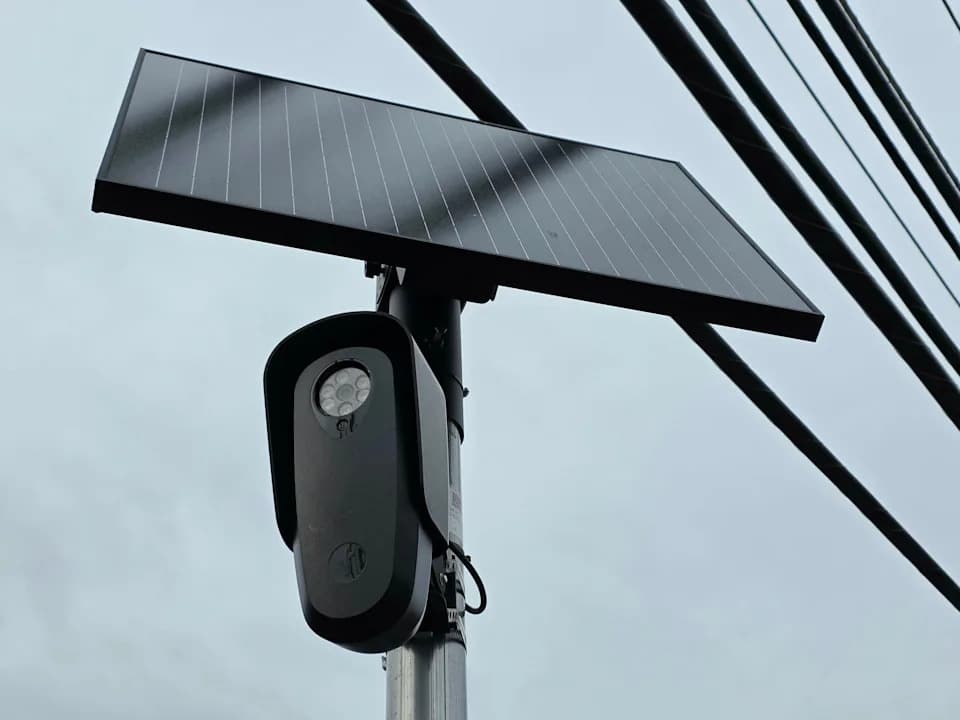
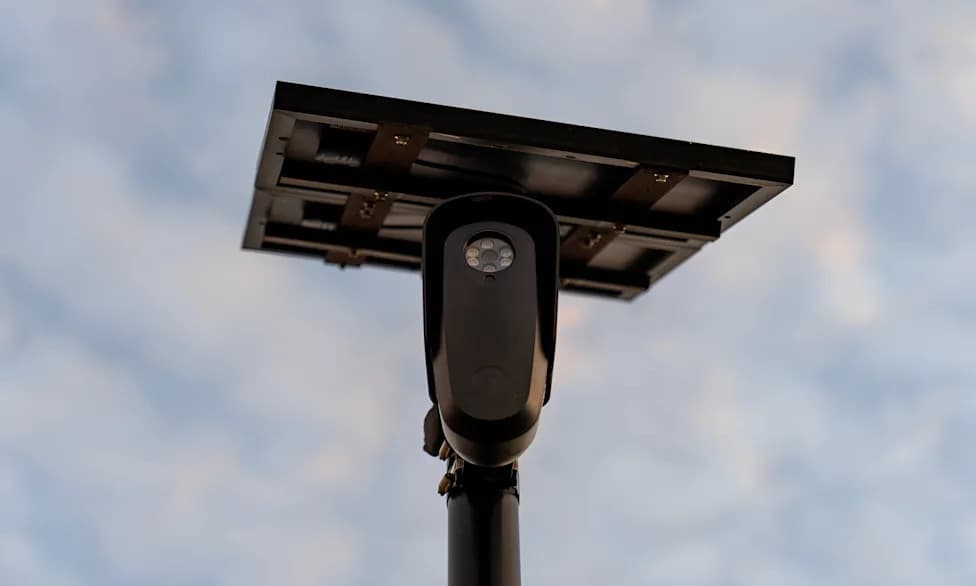
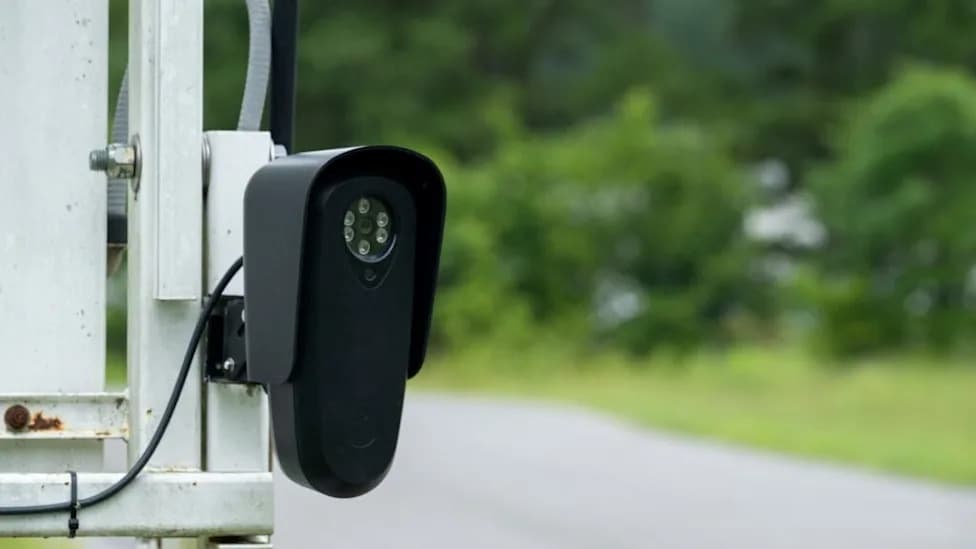
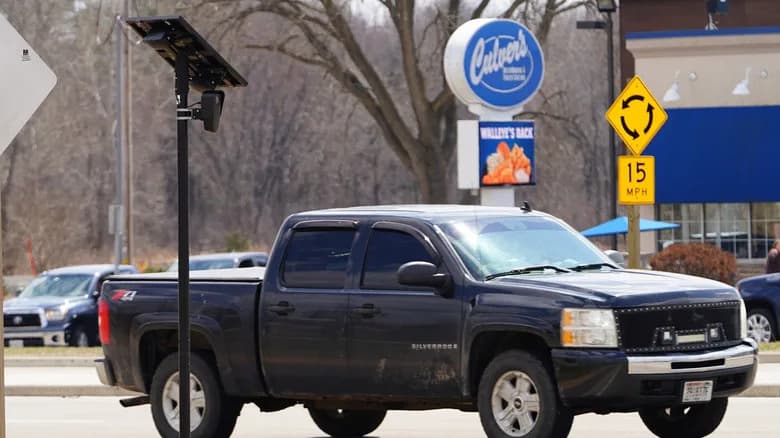
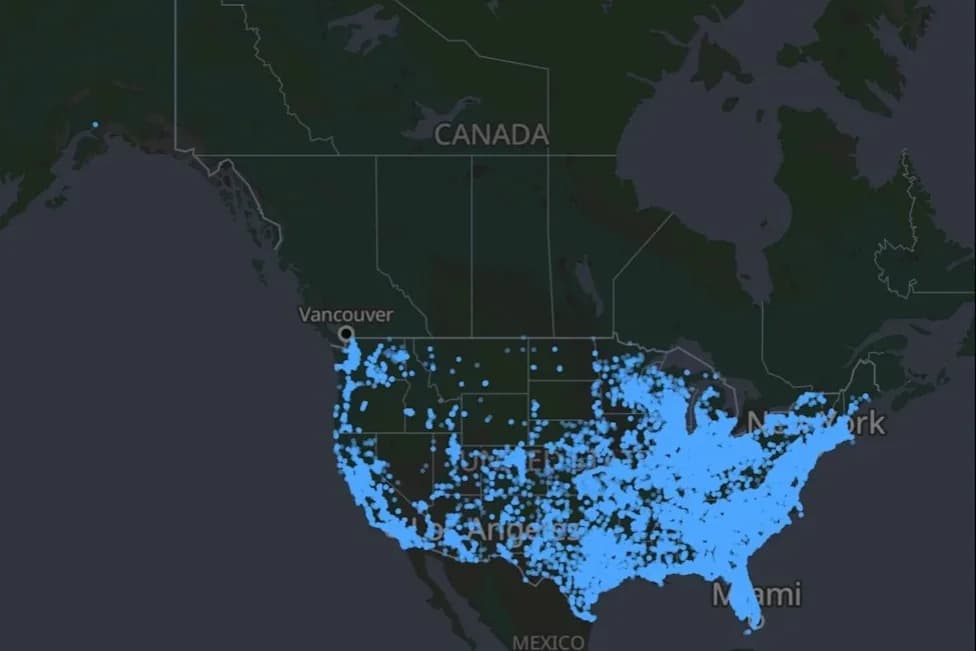
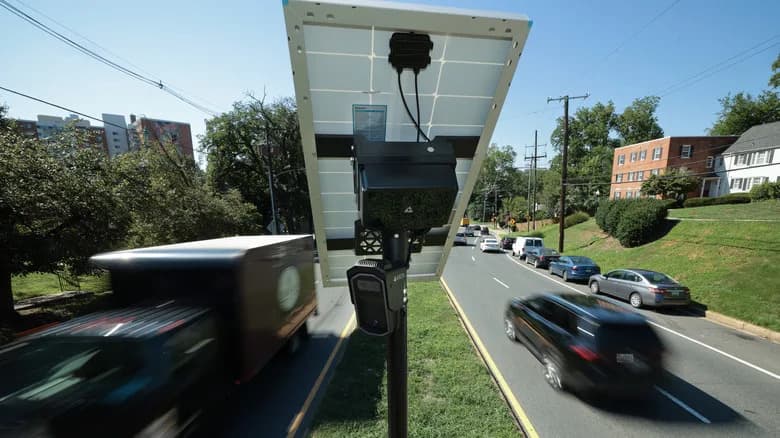
Flock Safety markets its cameras as a public-safety tool used to deter crime and help solve cases. The company says its systems are installed in thousands of jurisdictions nationwide and that a national-search capability, which can reach across state lines for up to 30 days, is intended to accelerate investigations. Critics, however, say that capability creates an unacceptable risk of federal surveillance for immigrants and other vulnerable communities.
“The problem is the federal government is going after a lot of people who aren’t doing anything wrong,”said Marc McGovern, a city council member and vice mayor of Cambridge, Massachusetts, which recently voted to pause its Flock deployment. “For me, a 56-year-old white guy, sure, take a picture of my license plate. They’re not coming after me. But it’s not about me — it’s about other groups in our community.”
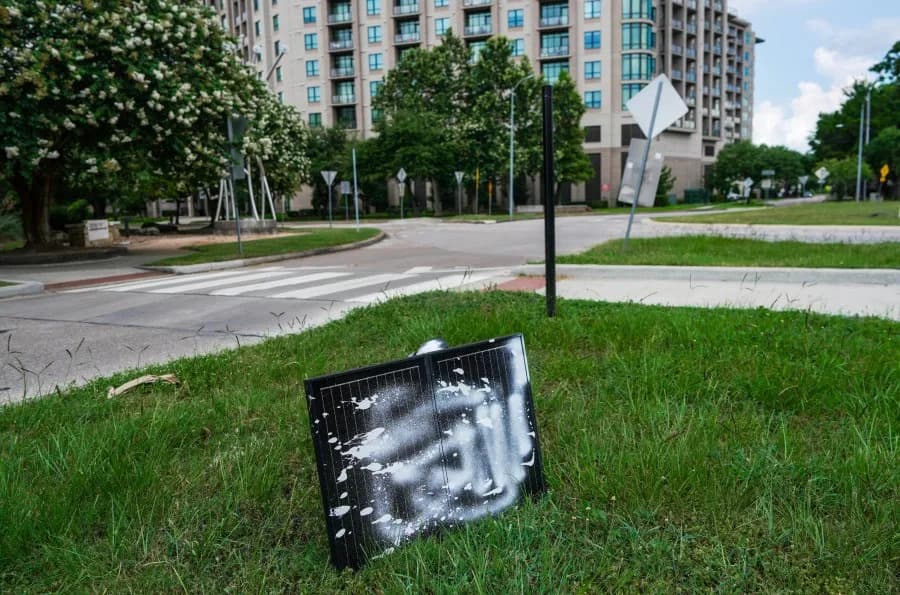
Over the past year, more than a dozen local governments in states including Washington, Oregon, Arizona and Texas have suspended or paused Flock systems, citing fears that footage or plate-read data could be accessed by federal agencies. Flock acknowledged it briefly ran a pilot with DHS and has since ended that program.
Josh Thomas, Flock’s chief communications officer, said only a small fraction of jurisdictions have stopped using the service and that the company has introduced compliance features — including mandatory search justifications, embedded blocks for disallowed query types, and additional criteria for searches — to address concerns. Thomas said some local governments may have unintentionally enabled the national-sharing option when contracting with Flock and that the company is improving its customer education.
Still, the controversy has touched cities where immigration enforcement has been especially contentious. Evanston, Illinois, moved to terminate its Flock contract after a state audit found federal immigration enforcement had accessed camera footage statewide; officials said Flock briefly reinstalled cameras without permission before ultimately removing them. “People feel this deeply, acutely, and they’re scared and they’re angry,” said Evanston Mayor Daniel Biss.
In Eugene, Oregon, city officials learned that federal agencies had accessed local Flock data on two occasions — by the U.S. Postal Inspection Service for a mail-fraud inquiry and by the ATF for a narcotics probe — and are reviewing the program. Councilor Jennifer Yeh said residents worry that a private, for-profit system could become an expanding surveillance network beyond the original license-plate intent.
The Department of Homeland Security did not respond to requests for comment. As communities weigh trade-offs between crime prevention tools and civil‑liberties risks, the debate highlights tension between local control of data and cross-jurisdictional law enforcement access in a politically charged enforcement environment.
Help us improve.